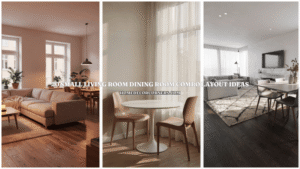


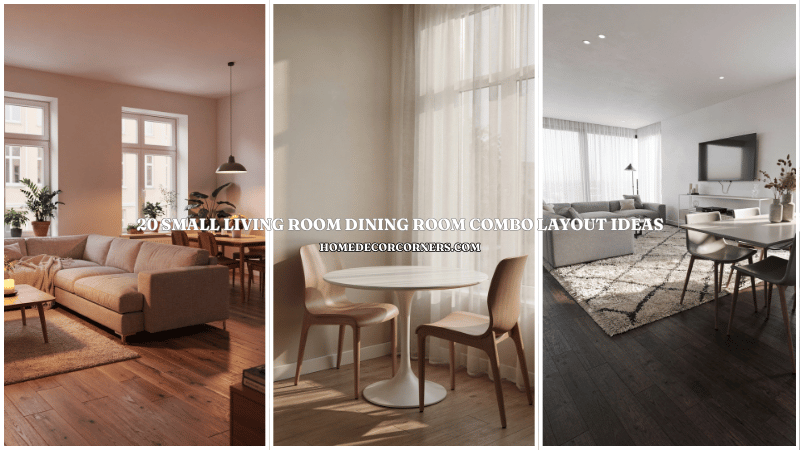
Let’s be real: trying to fit a dining table and a sofa into the same tiny square of carpet feels like playing a high-stakes game of Tetris where the prize is just not stubbing your toe. I’ve lived in apartments so small that I could literally stir a pot of pasta while sitting on my couch. It sounds efficient until you realize your living room always smells like garlic bread.
You want a space that feels intentional, not like a furniture showroom exploded in a broom closet. Whether you’re dealing with a “cozy” studio or a narrow condo, I’ve rounded up 20 layout ideas that actually work. Trust me, your floor plan has more potential than you think.
1. The Classic Back-to-Back Split
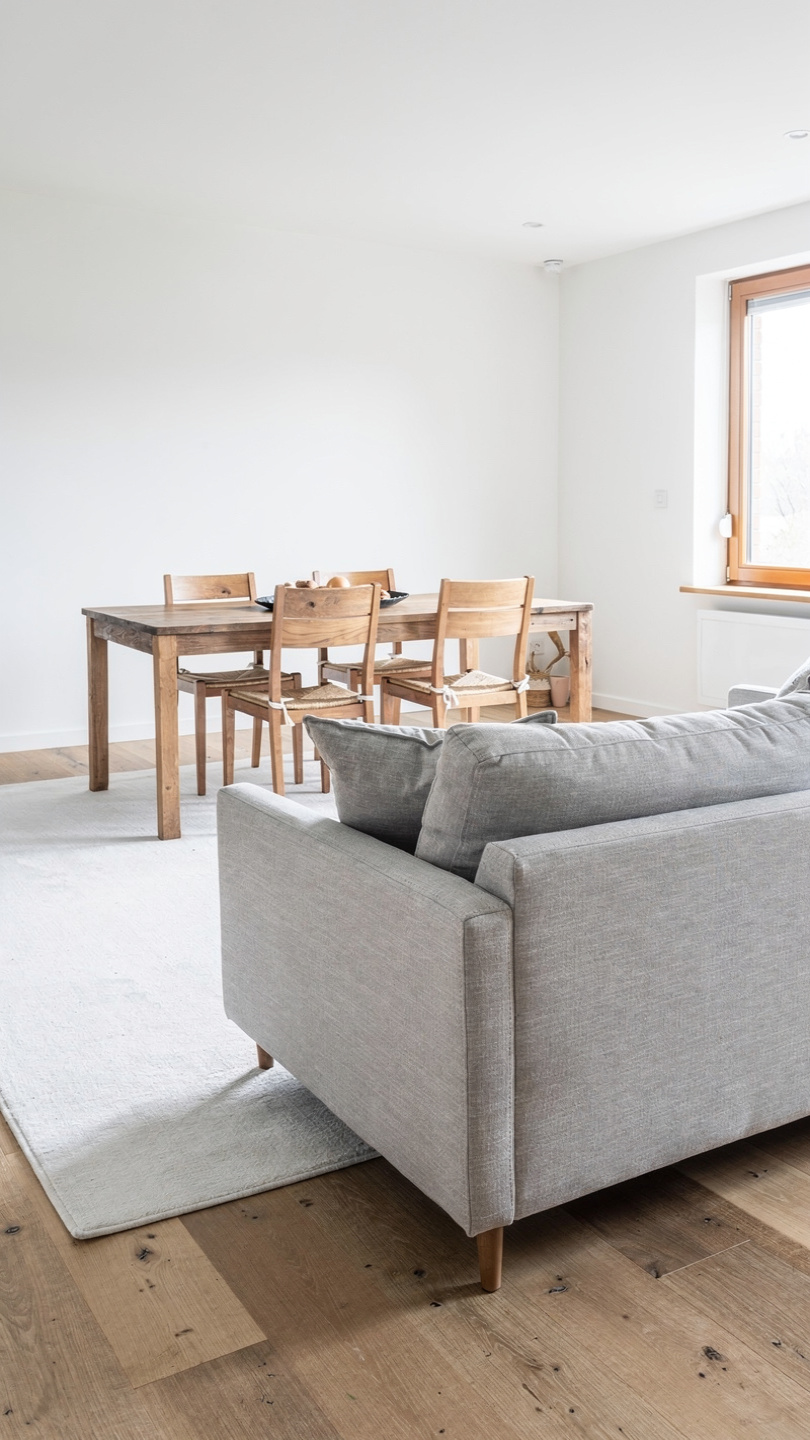
This is the “old reliable” of small-space living. You place the sofa with its back toward the dining area to create a physical boundary without building a wall. It tells your brain, “The kitchen stops here, and the Netflix binge begins there.”
I used this setup in my first apartment and it saved my sanity. It provides a clear visual hallway and keeps the greasy pizza vibes away from your decorative pillows. Just make sure you leave enough room to pull out the chairs.
2. Corner the Market with a Banquette
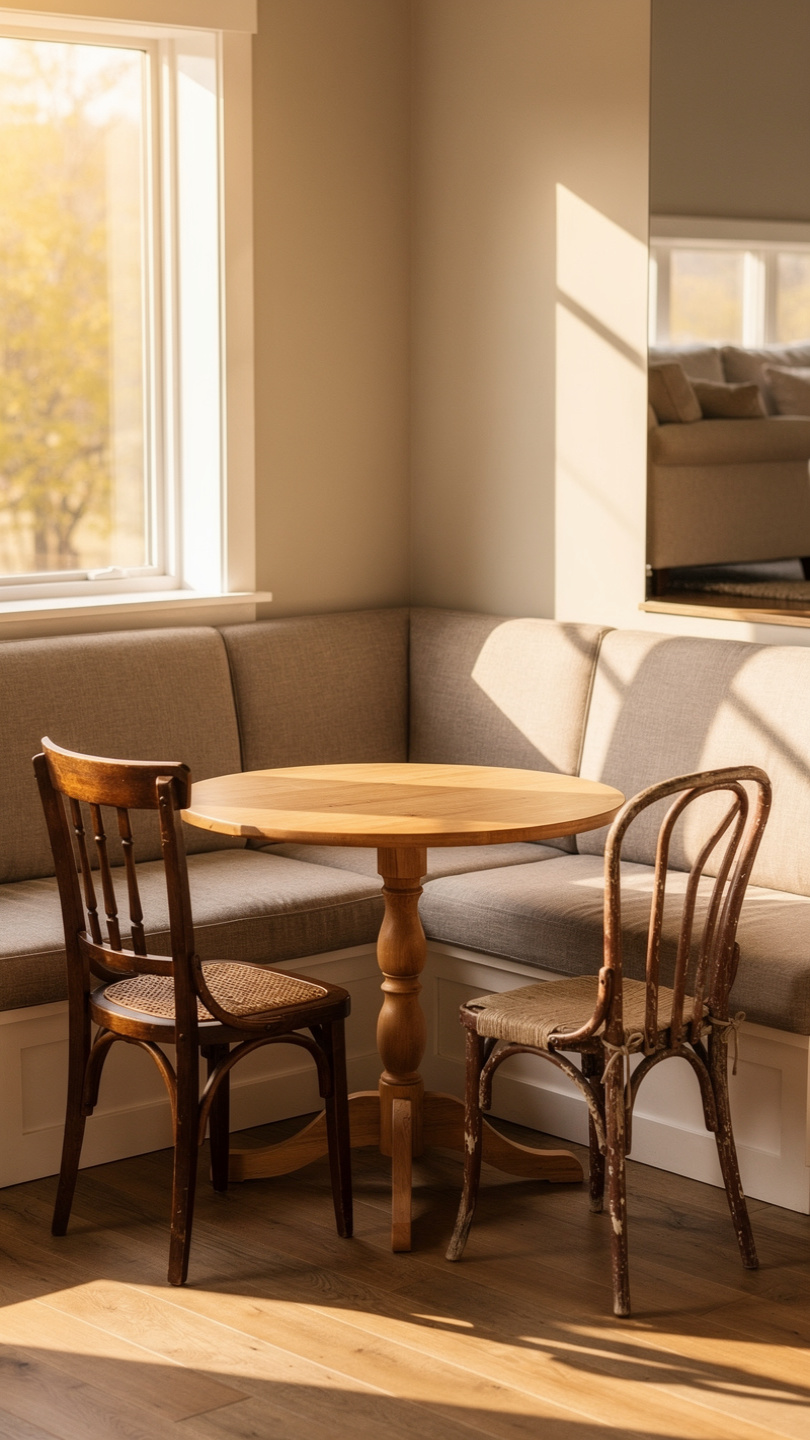
If you think you don’t have room for a dining table, you’re probably looking at the wrong kind of chairs. Banquette seating or a corner booth tucks right against the wall, reclaiming those lost inches. It turns a dead corner into a cozy bistro nook.
Why waste space walking around four sides of a table? IMO, a bench with hidden storage underneath is the ultimate “adulting” win. Plus, you can cram more friends onto a bench than individual chairs when you’re hosting. 🙂
3. The Low-Profile Illusion
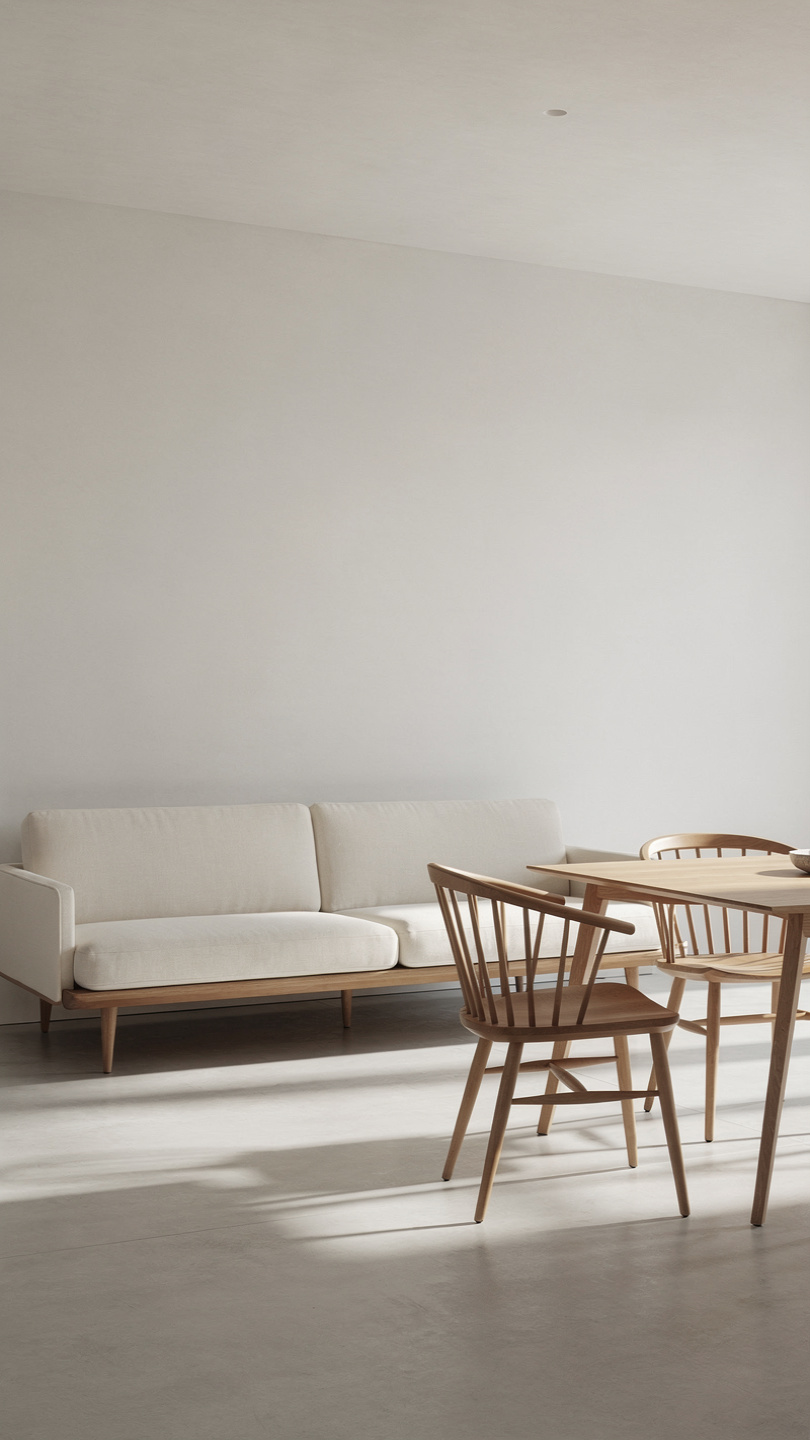
Massive, chunky furniture kills small rooms faster than a bad paint job. Choose slim-line furniture with exposed legs for both your sofa and your dining set. When you can see the floor underneath the furniture, the room feels significantly larger.
Ever noticed how a heavy skirted sofa looks like a giant boulder in a stream? Swap it for something on tapered wooden legs. It lets light flow through the room and makes the whole layout feel airy and deliberate.
4. Float Everything in the Center
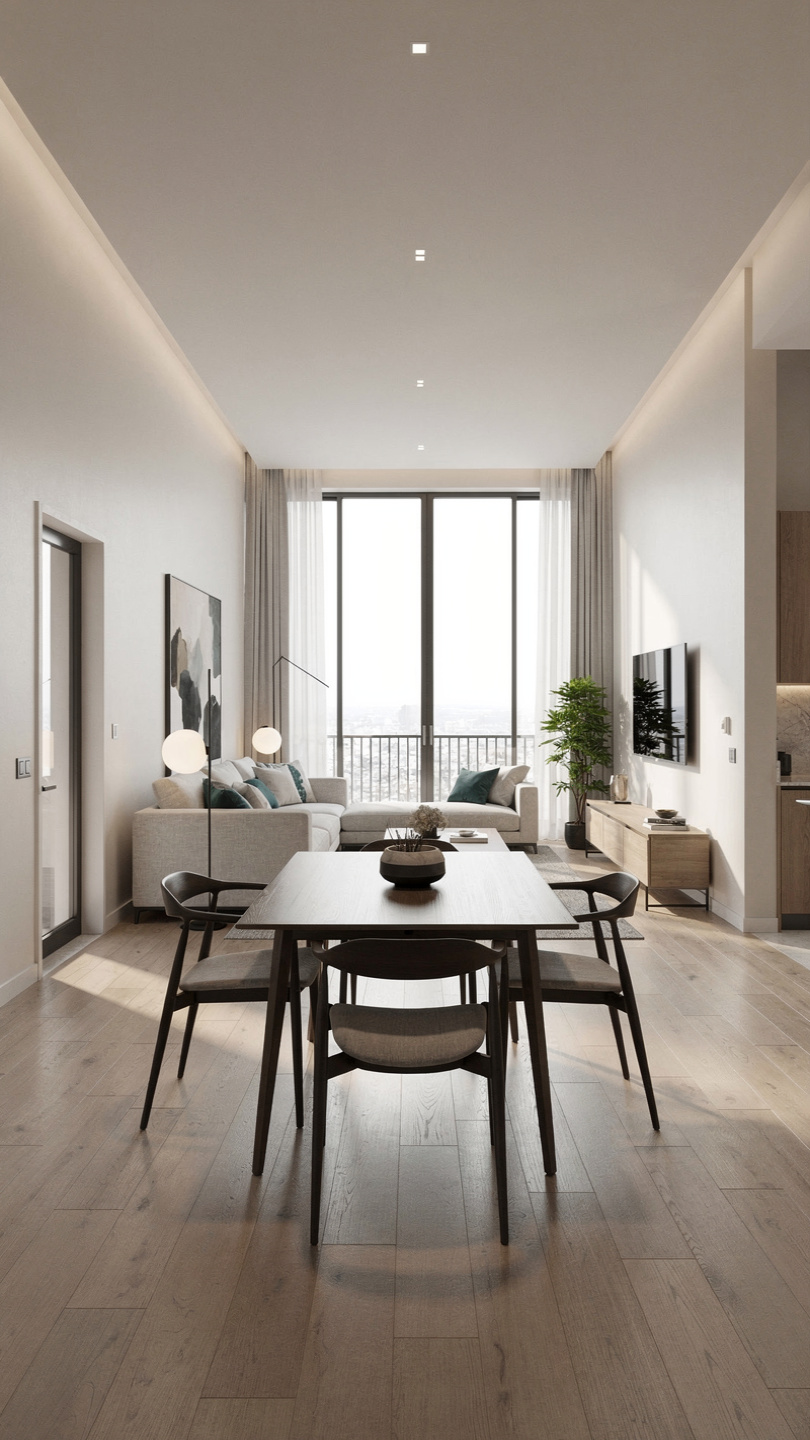
Counter-intuitive? Maybe. But sometimes pulling furniture away from the walls creates a better flow. If you have a long, narrow room, try clustering the living and dining furniture in the center.
This leaves the perimeter clear for walking paths. It prevents that awkward “bowling alley” look where everything lines up against the baseboards. It feels sophisticated, like you actually hired a designer instead of just guessing.
5. Round Tables Only
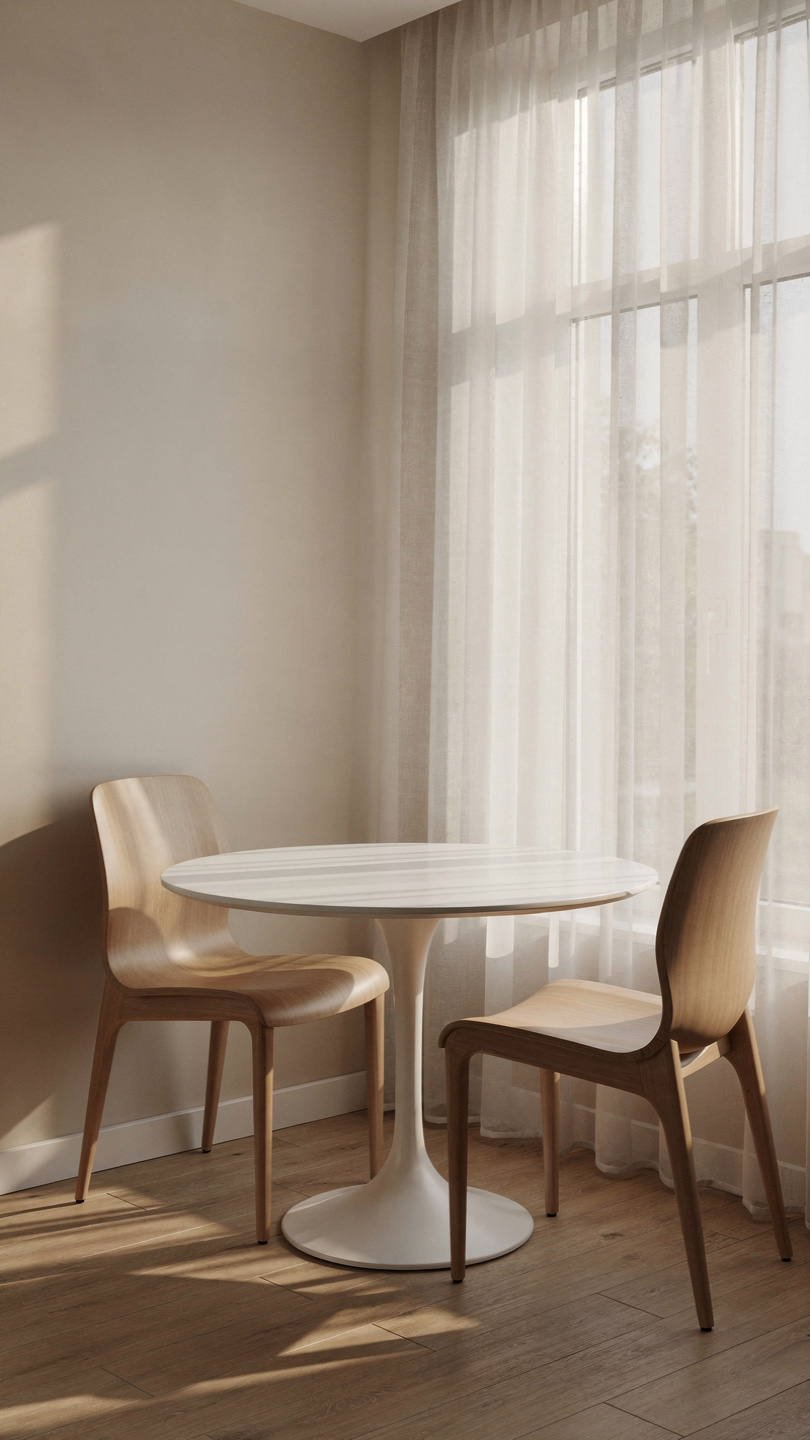
Seriously, stop buying rectangular tables for square rooms. A round pedestal table eliminates sharp corners that eat up floor space. It also makes conversation much easier because nobody feels like they’re at the end of a boardroom table.
I’ve banged my hips on enough table corners to know that circles are the superior shape. They soften the lines of a room and fit into awkward alcoves perfectly. Pair one with two chairs, and you’ve got a romantic spot that takes up zero “visual weight.”
6. The Rug Definition Strategy
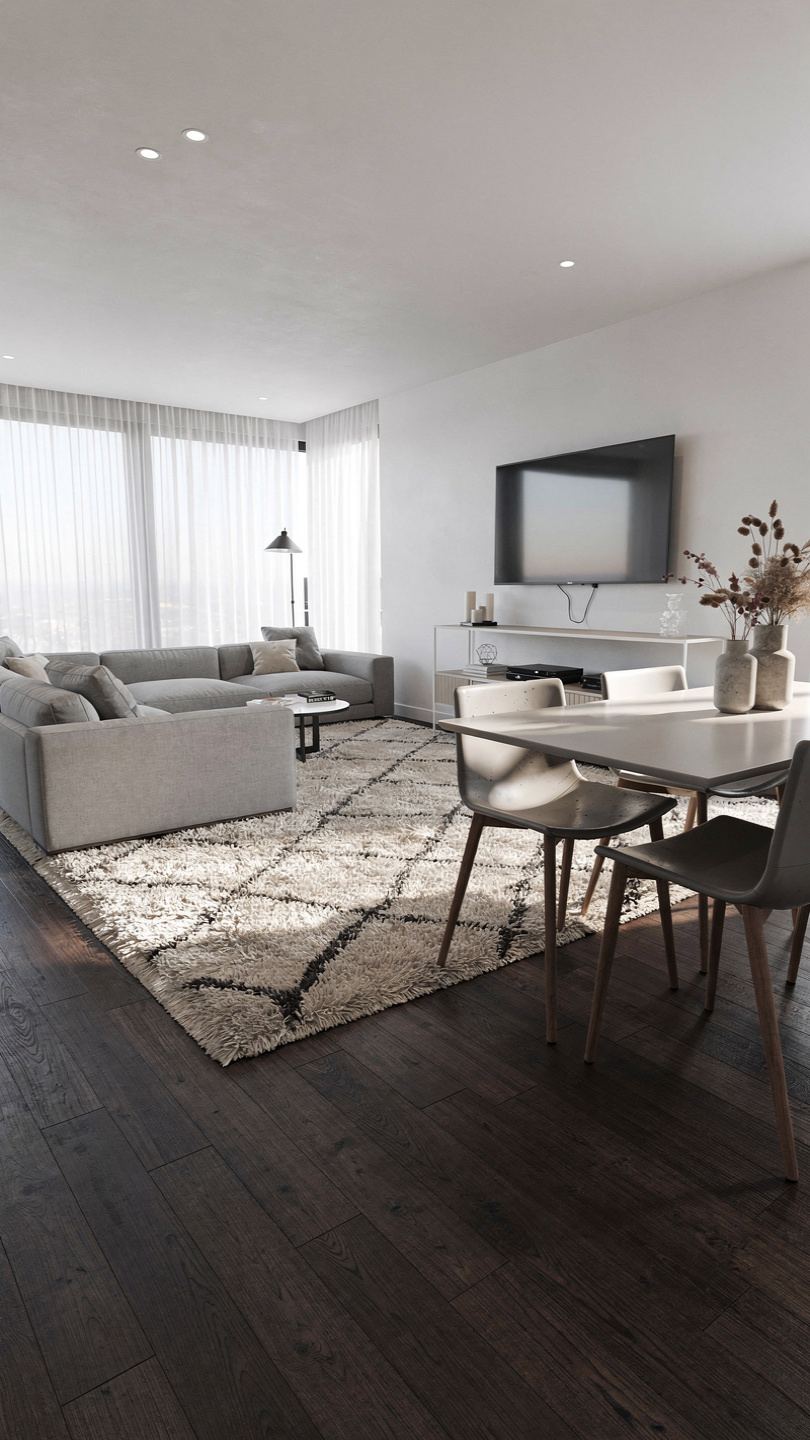
If you don’t want to use furniture as a wall, use rugs. Place a distinct area rug under the living space and keep the dining floor bare, or use a different texture. This creates “zones” that your eyes recognize instantly.
- Living Area: High-pile or plush rug for comfort.
- Dining Area: Low-pile or flat-weave for easy cleaning.
- The Border: Leave a foot of bare floor between them.
7. Use a Console Table as a Bridge
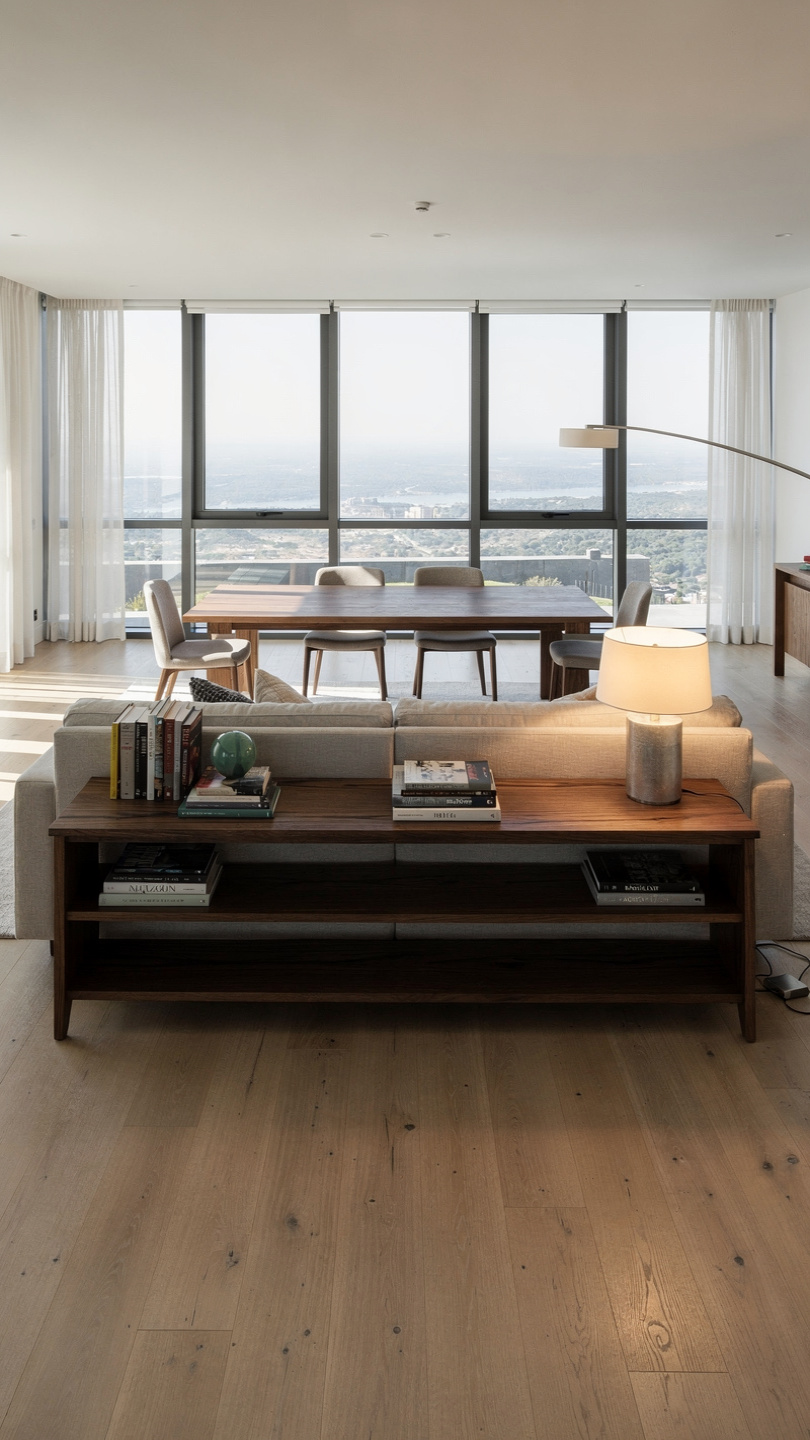
Place a slim console table directly behind the sofa. This acts as a buffer between the living and dining zones. It’s the perfect spot for lamps, drinks, or the remote controls you always lose.
It also gives the back of the sofa a finished look. If your sofa is lower than your dining table, the console helps transition the heights so nothing looks jagged. It’s basically a decorative peace treaty between your two rooms.
8. Mirror, Mirror on the (Dining) Wall
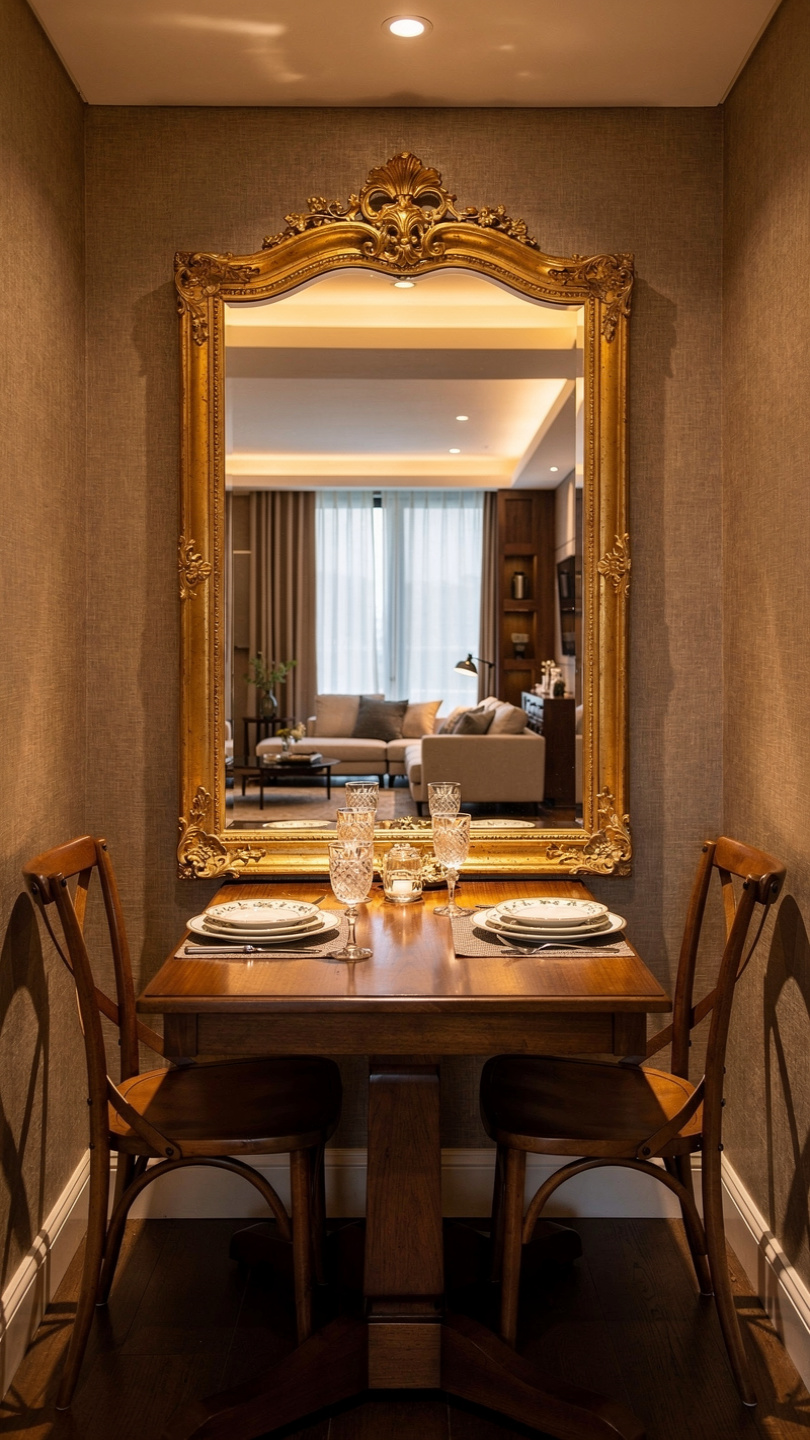
Hang a large mirror behind the dining table. It reflects the living room back at you, doubling the perceived depth of the space. It’s the oldest trick in the book because it actually works.
Do you want to feel like you’re eating in a cramped hallway? Probably not. A mirror bounces light around and makes the entire combo feel like a grand hall. Just try not to get distracted by your own reflection while chewing.
9. The Transparent “Ghost” Setup
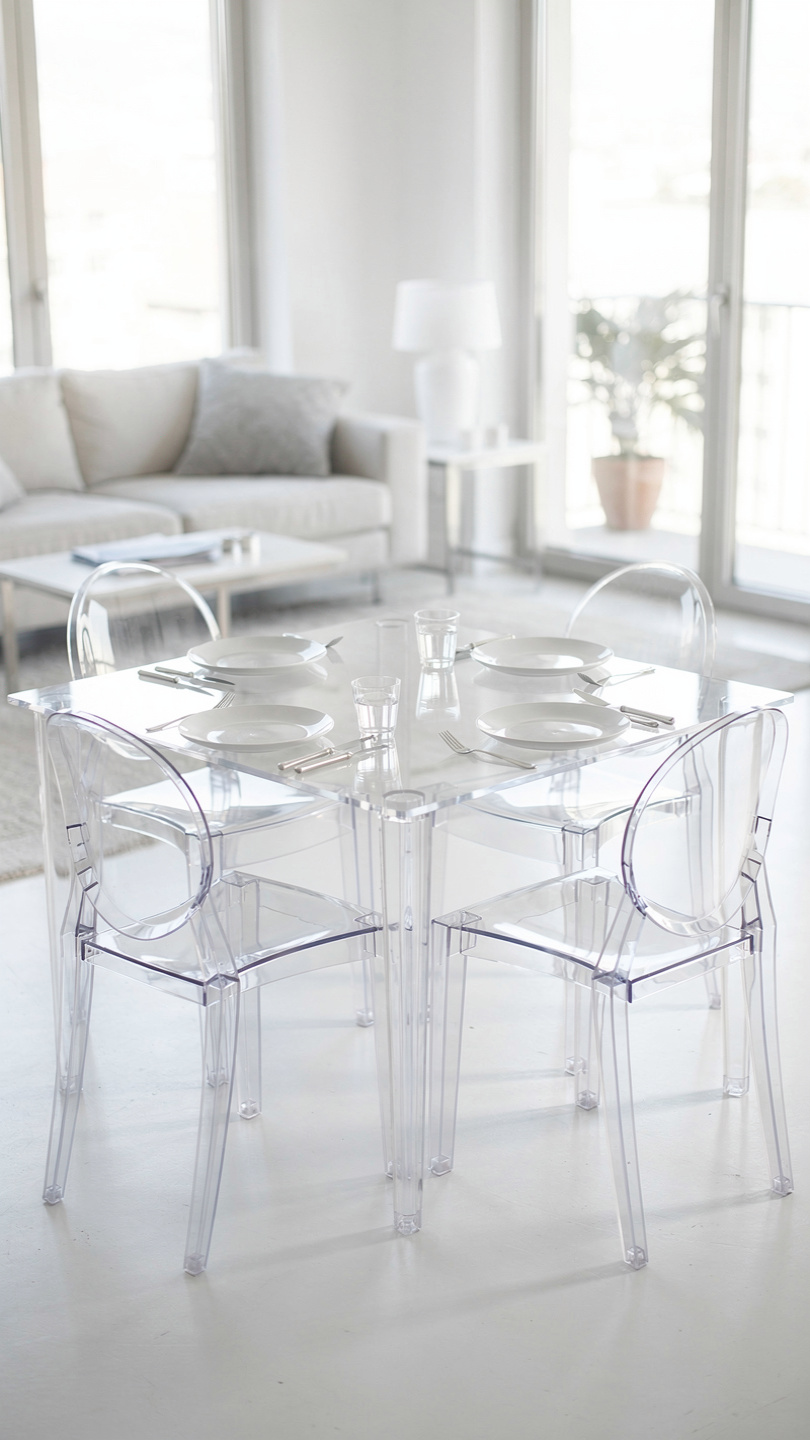
Acrylic or “ghost” chairs are a literal godsend for small combos. Because they are clear, they occupy zero visual space. You get the functionality of a full dining set without the cluttered look of six wooden chair backs.
I paired ghost chairs with a glass-top table once, and the room looked practically empty. It’s a great way to keep the focus on your beautiful sofa or rug. FYI, they are also surprisingly easy to wipe down after a messy dinner.
10. The L-Shaped Sectional Pivot
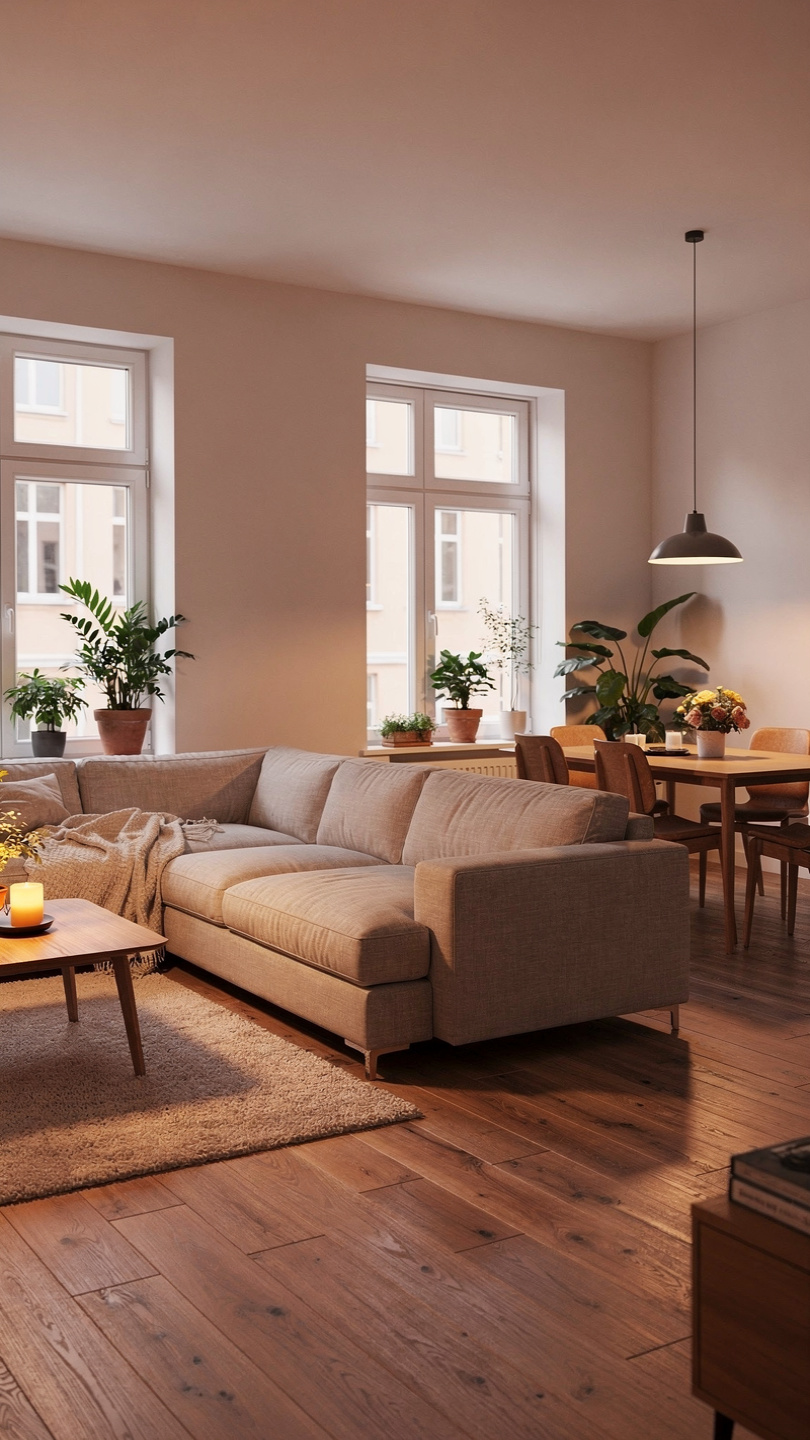
Use an L-shaped sectional to “hug” the living area. One side of the L acts as a natural partition that separates the lounge from the dining table. This creates a cozy “room within a room” feeling.
It’s the ultimate lounging setup. Just ensure the “arm” of the sectional doesn’t block the natural flow of traffic to the table. You want to walk around the living room, not hike over the cushions to get to your salad.
11. Multi-Functional Drop-Leaf Tables
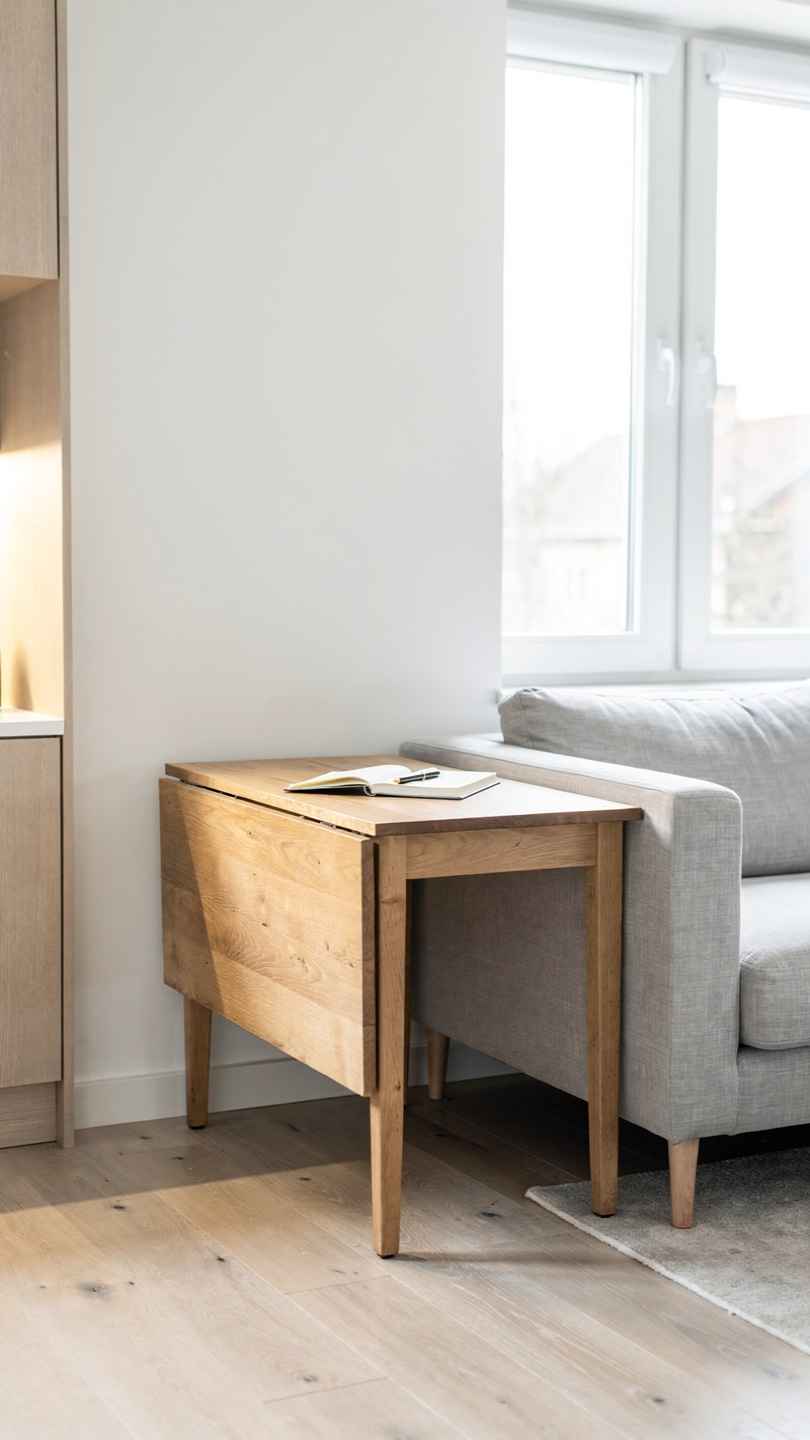
When you aren’t eating, a giant table is just a glorified junk collector. A drop-leaf table can live against the wall as a desk or console. When guests arrive, you pull it out and flip up the sides.
Why commit to a permanent six-person setup if you live alone? Keep the floor space for your morning yoga or just the ability to walk without shimmery-ing. It’s about flexibility, not just furniture.
12. Vertical Storage Integration
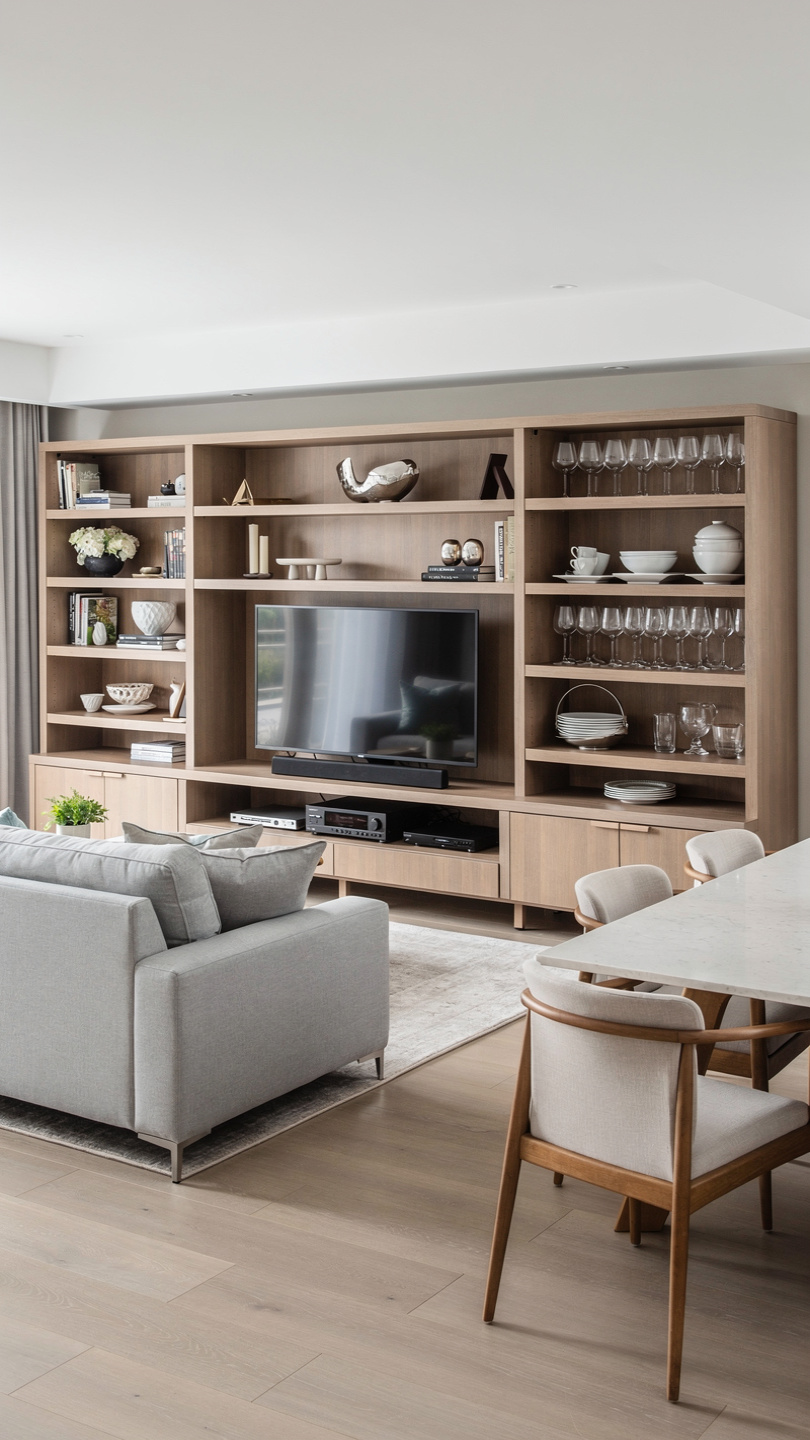
In a combo room, you often lack wall space for both a TV stand and a china cabinet. Build tall, vertical shelving that spans the length of the main wall. This unifies the two zones under one design element.
Put books and the TV at one end; put glassware and nice plates at the other. It makes the room look intentional and cohesive. It also draws the eye upward, making your ceilings feel like they’re a mile high.
13. The Window Nook Focus
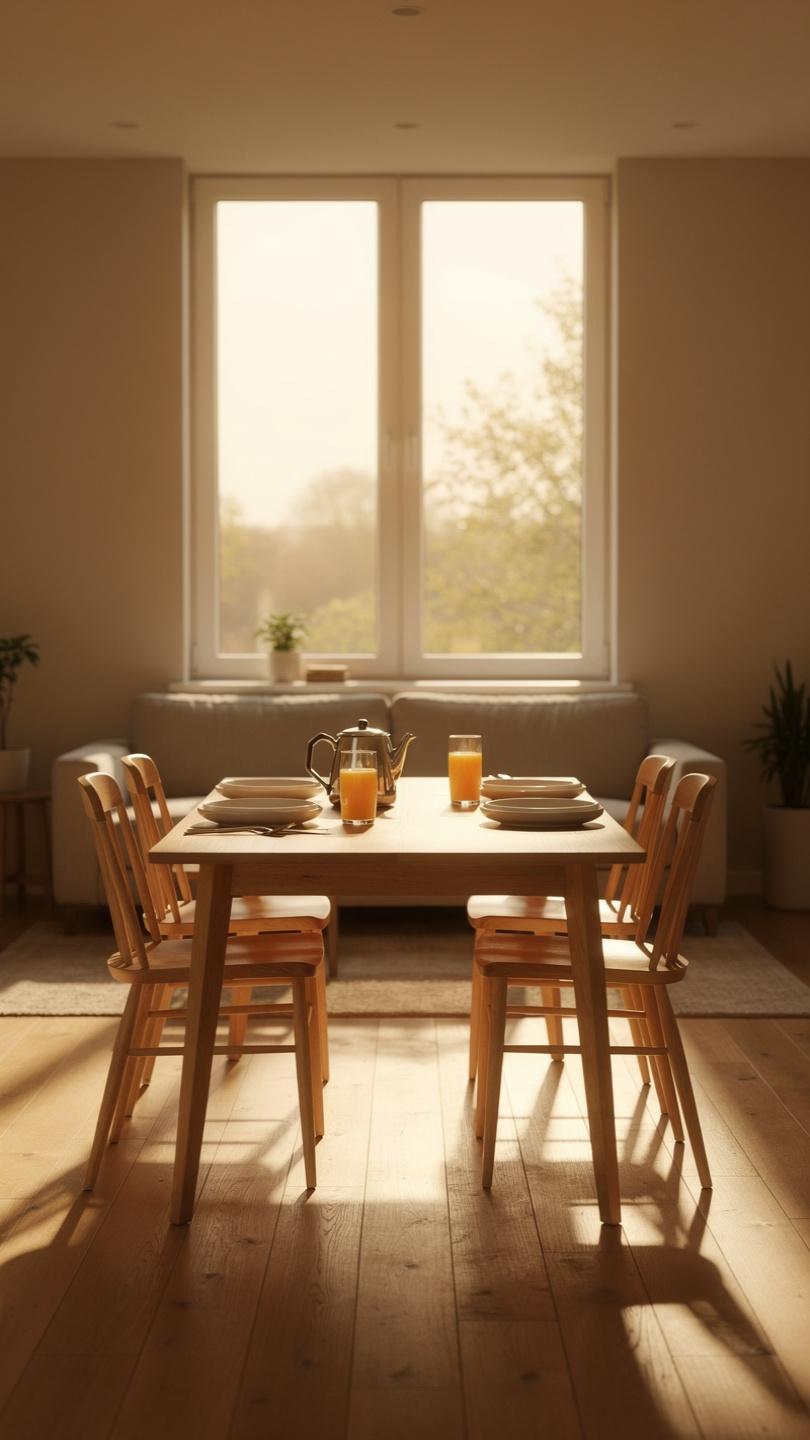
If you have a window, place the dining table right in front of it. This treats the table as a focal point rather than an obstacle. Eating with natural light and a view makes even a bowl of cereal feel like a fancy brunch.
Most people shove the sofa against the window, but that often blocks the light. Let the shorter furniture (the table) stay by the glass. It keeps the room bright and creates a lovely morning “vibe” that a dark corner just can’t match.
14. Monochromatic Color Palettes
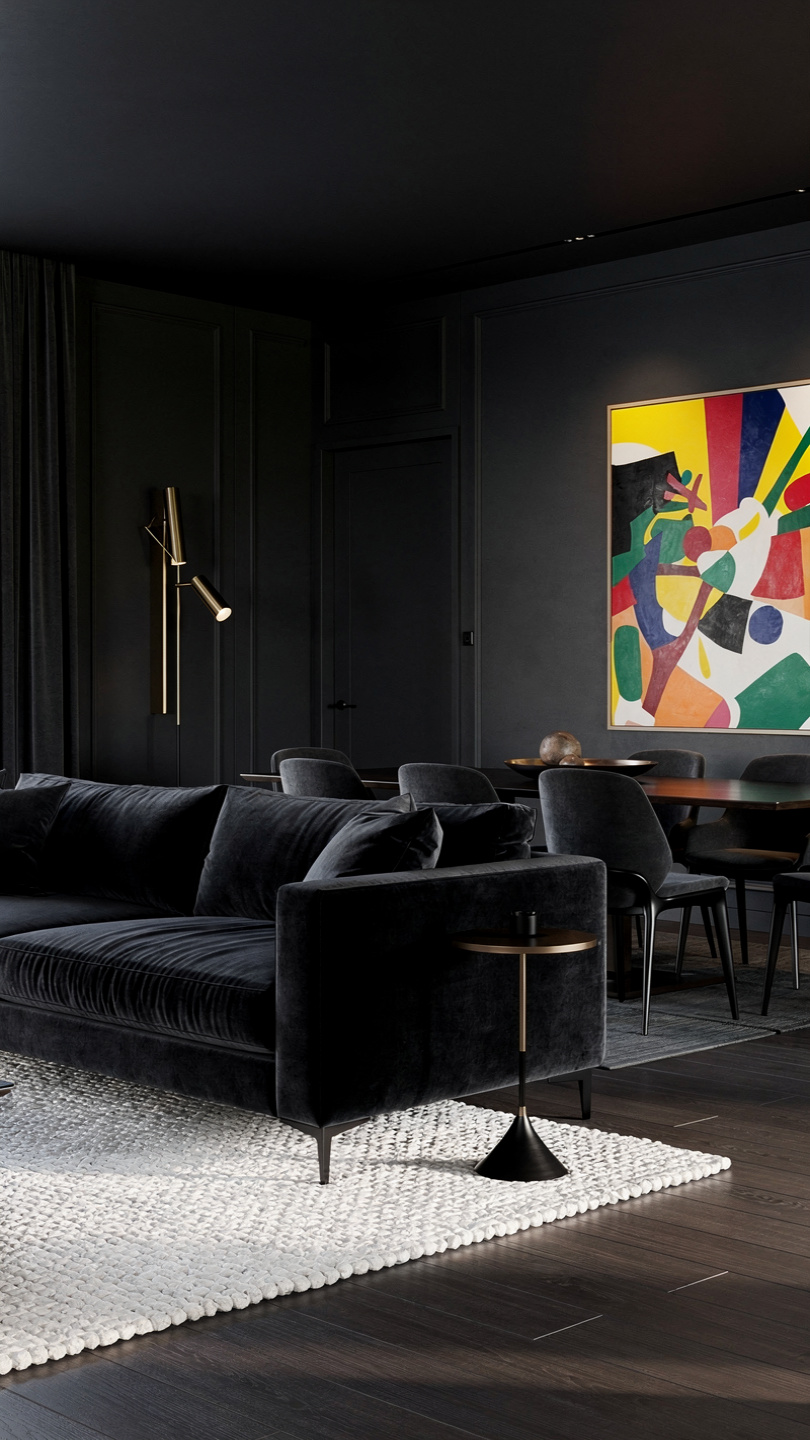
Using one consistent color palette for both areas prevents the room from looking chopped up. If your sofa is navy, use navy placemats or navy art in the dining area. This creates a “flow” that tricks the eye into seeing one large space.
Distrasting colors create hard lines that make a small room feel even smaller. Keep the walls light and the furniture tones similar. You can add personality with textures rather than a rainbow of clashing colors.
15. Bar Height Transitions
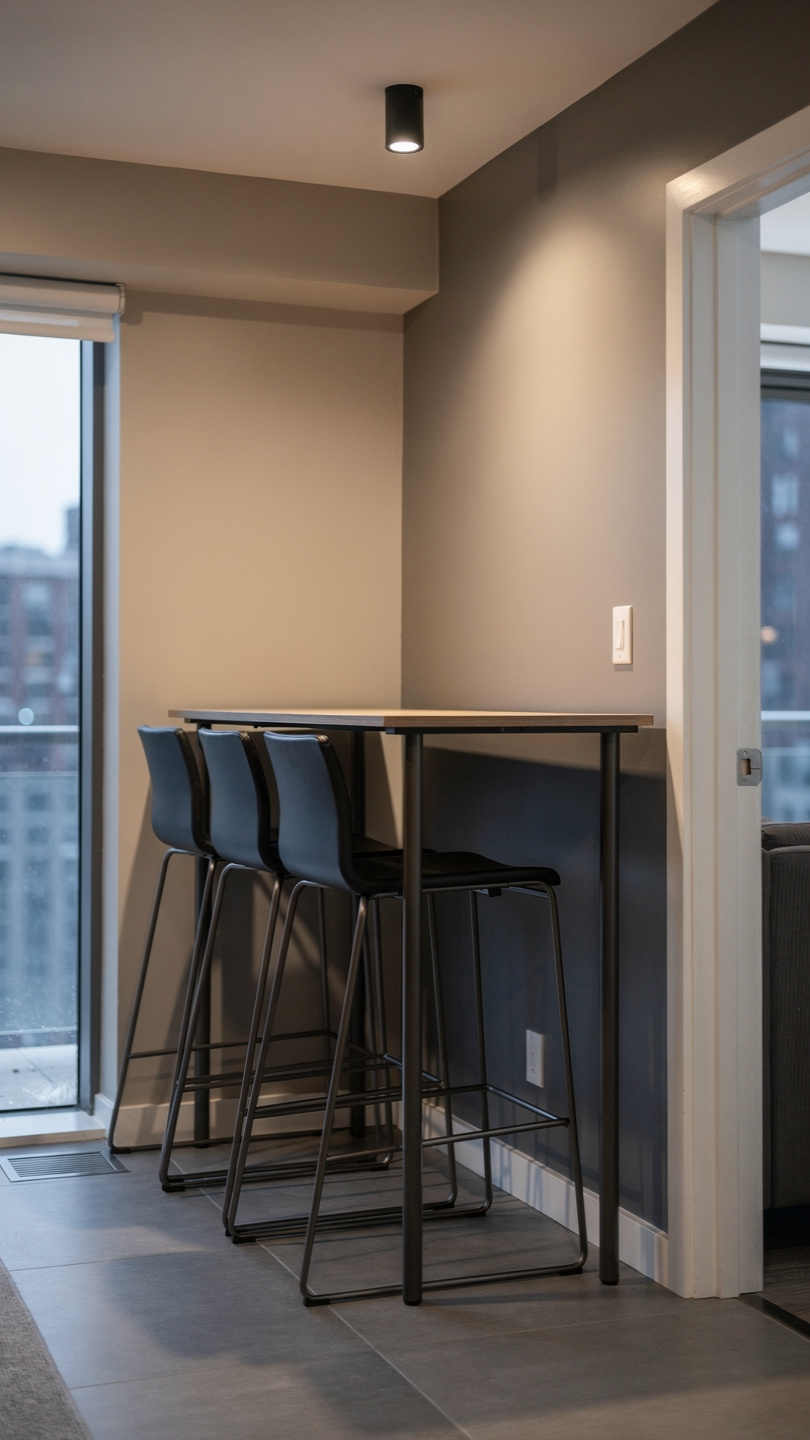
If your “dining room” is really just a wall, use a narrow bar-height table. Pair it with stools that tuck completely underneath. High-top seating creates a casual, “cafe” atmosphere that feels less bulky than a traditional set.
This works incredibly well behind a sofa. You can eat dinner while watching TV without having to balance a plate on your knees like a college student. It’s practical, sleek, and saves a massive amount of square footage.
16. Symmetrical Balance
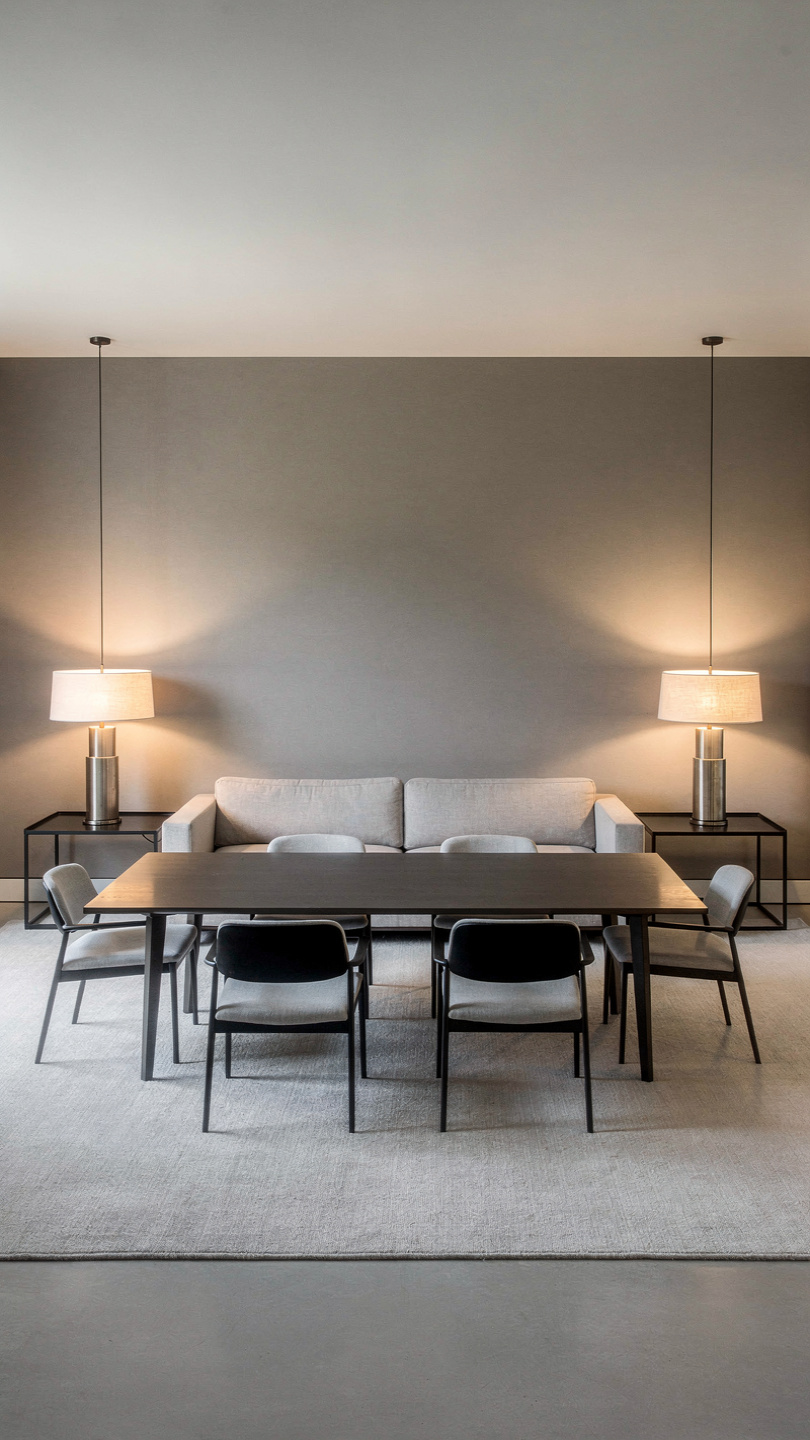
If the room is a perfect rectangle, try placing the sofa and table parallel to each other. Use identical light fixtures or matching art pieces to create symmetry. Symmetry creates a sense of order that calms the chaos of a small space.
When things are symmetrical, the brain perceives the room as “organized” rather than “crowded.” It’s a psychological hack that makes small living room dining room combos feel like high-end suites.
17. The “No-Dining-Room” Approach
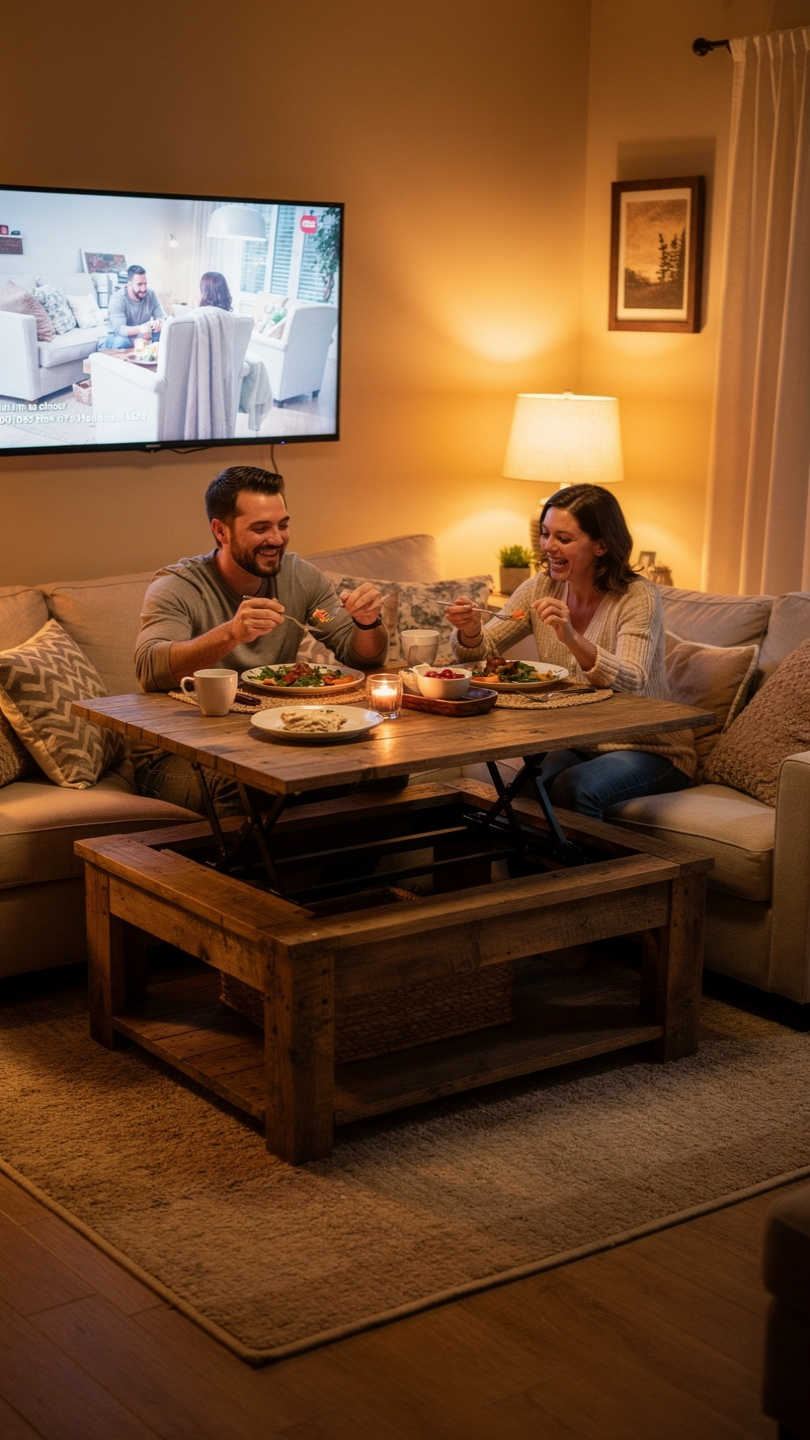
Hear me out: do you actually need a formal table? If space is truly tight, an over-sized coffee table that lifts up can serve as your desk and dining spot. This leaves the entire “dining area” open for more living room seating.
I know, it sounds a bit “bachelor pad,” but modern lift-top tables are actually quite chic. If you rarely host dinner parties, why pay rent for a table you only use to hold mail? Priorities, people!
18. Hanging Lighting as an Anchor
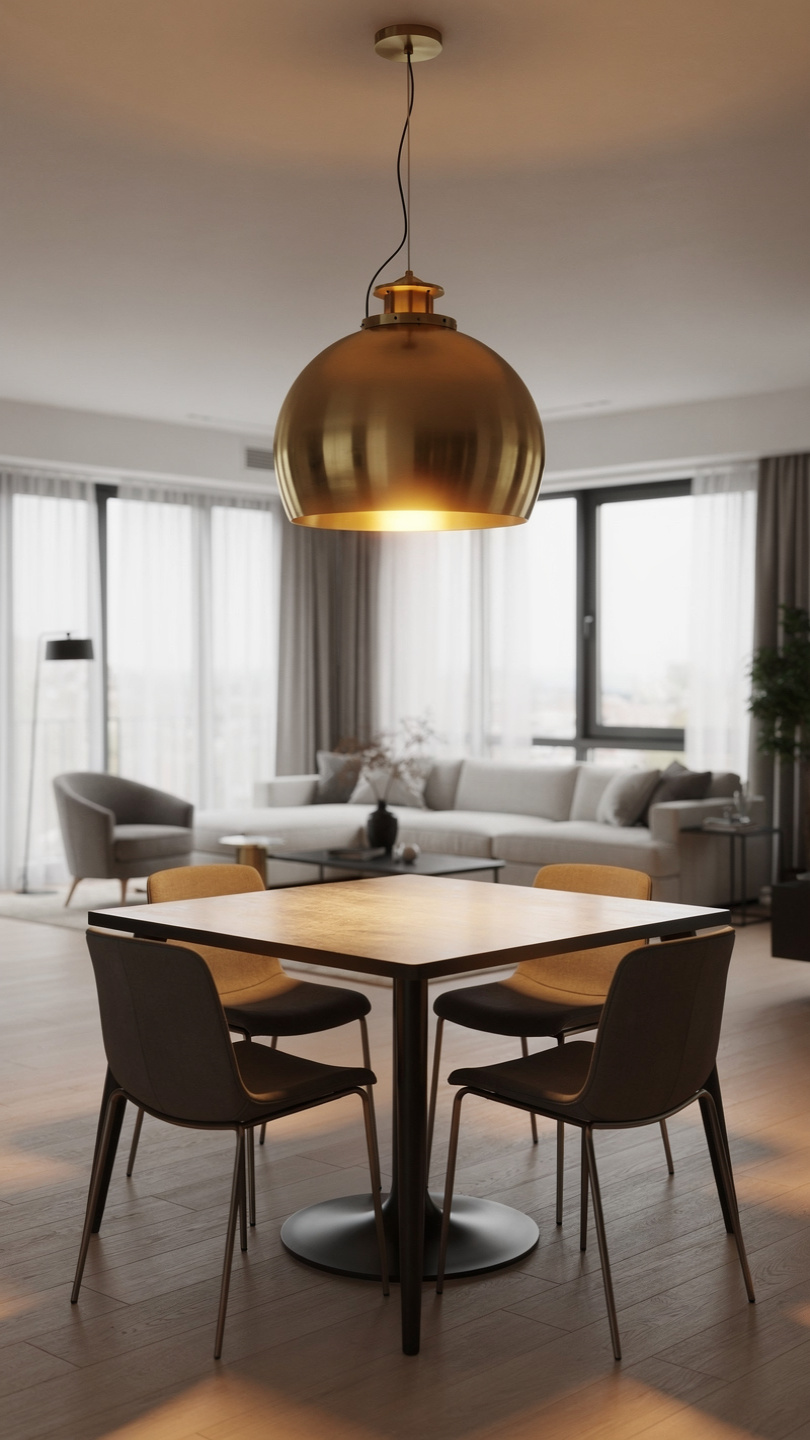
Install a statement pendant light over the dining table. This “anchors” the table in its own space. Even if there are no walls, the light creates a designated zone that feels separate from the living room lamps.
Make sure the light hangs low enough to feel intimate but high enough that you don’t headbutt it. It’s like an invisible fence for your furniture. It adds a vertical element that breaks up the horizontal clutter.
19. Armless Seating
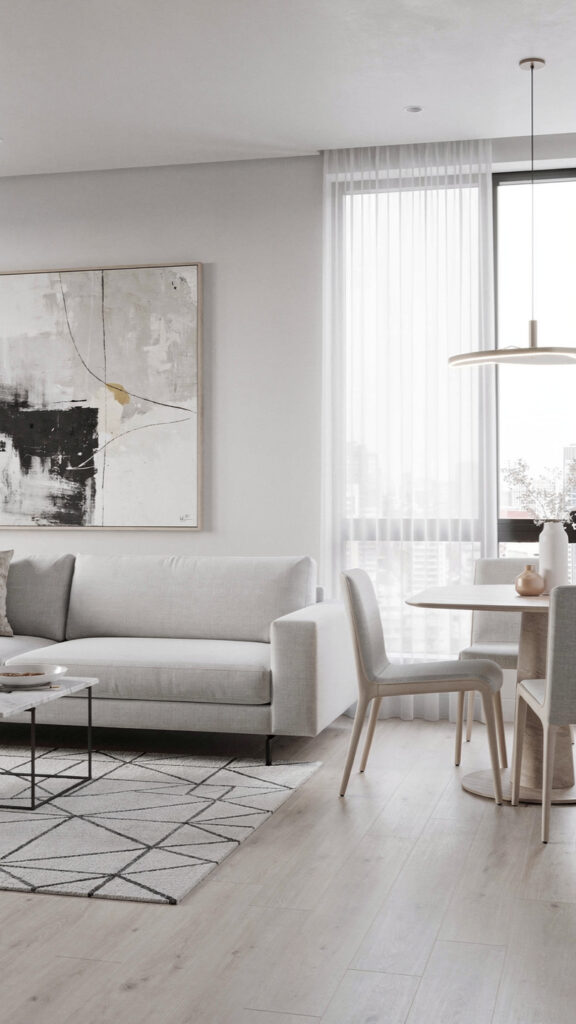
For both the sofa and the dining chairs, ditch the arms. Armless chairs take up less physical space and allow for easier movement in tight quarters. They also look more streamlined and modern.
Think about it: do you really need four extra inches of upholstery on every chair? Probably not. Armless furniture lets you squeeze into tight spots without feeling like you’re being hugged by a giant marshmallow.
20. Diagonal Layouts
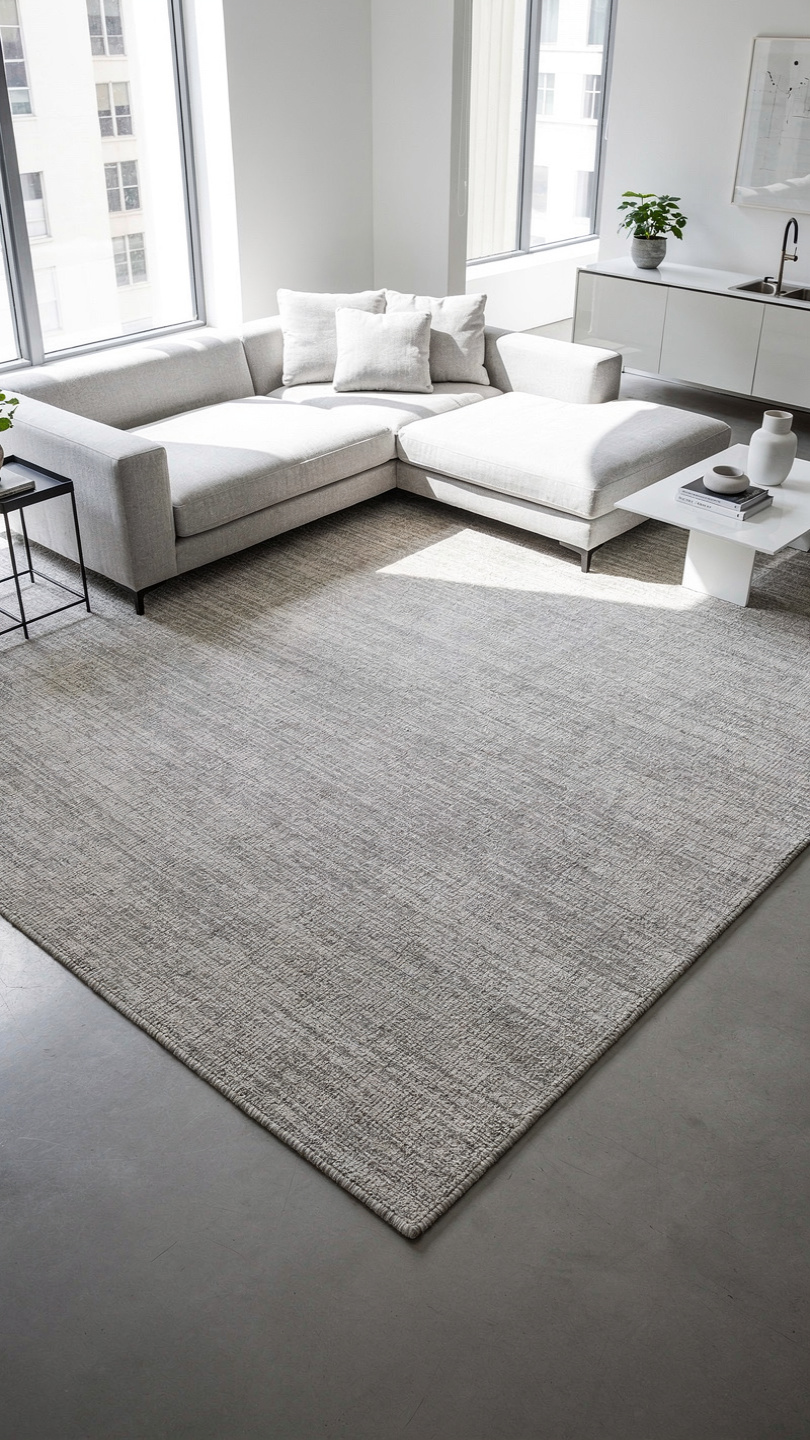
If the room feels like a box, turn the furniture 45 degrees. Placing the sofa or the rug on a diagonal can break up the harsh lines of a small room. It creates longer sightlines and makes the space feel more dynamic.
It’s a bold move, and it doesn’t work in every room, but when it does, it’s magic. It creates “triangles” of space in the corners that are perfect for floor plants or floor lamps. It’s definitely not your grandma’s layout.
Summary of Key Layout Tips
| Feature | Small Space Benefit |
| Round Tables | Easier flow and no sharp corners. |
| Area Rugs | Define zones without physical barriers. |
| Leggy Furniture | Creates “visual breathability” by showing the floor. |
| Banquettes | Saves space by pushing seating against the wall. |
| Acrylic Chairs | Eliminates visual clutter entirely. |
Final Thoughts
Designing a small living room dining room combo doesn’t have to be a nightmare. It’s all about prioritizing flow over furniture. If you can’t walk through the room without performing a gymnastics routine, something has to go.
Focus on pieces that serve double duty and keep your sightlines open. Use rugs to define the borders, and don’t be afraid to leave some “white space” on the floor. A little breathing room goes a long way in making a tiny home feel like a sanctuary.
Do you really need that massive hutch, or could you just use some floating shelves? 🙂 Take a hard look at your stuff, pick a layout that fits your lifestyle, and remember: it’s your home, not a game of Tetris. Happy decorating!