

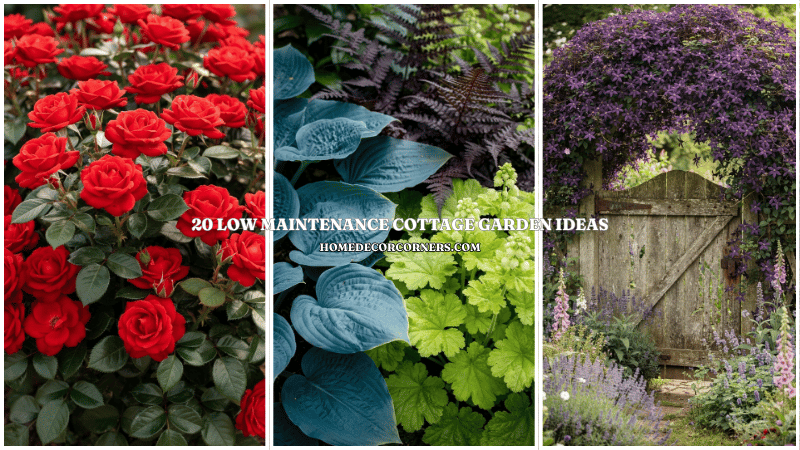
Let’s be honest: we all want that dreamy, overflowing English cottage garden, but nobody actually wants to spend every waking hour weeding in the blazing sun. I once spent an entire Saturday morning fighting a patch of mint that decided it owned my backyard. Spoiler alert—the mint won.
If you want the charm of a relaxed, romantic garden without the soul-crushing labor, you’ve come to the right place. We can achieve that “organized chaos” look while still having time to actually sit down and drink a glass of wine in the grass. Check out these low-stress ways to build a stunning, lazy-person-approved cottage haven.
1. Ditch the Lawn for Perennial Beds
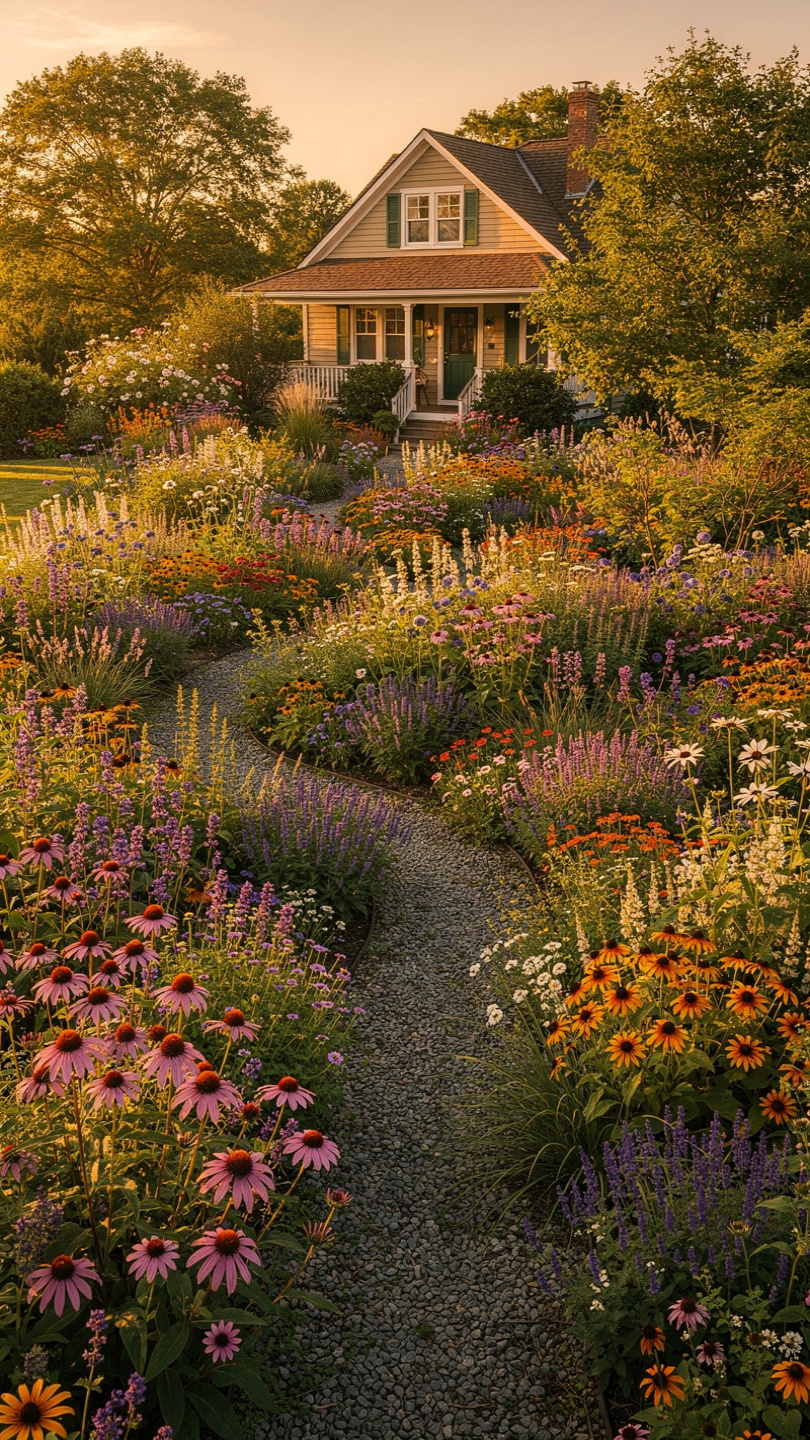
Lawns are basically high-maintenance outdoor carpets that demand constant haircuts. Why spend your life pushing a mower when you can fill that space with flowers? Replacing grass with deep perennial beds cuts your chores in half and looks ten times better.
Why Perennials Rule
- They come back every year without you lifting a finger.
- They suppress weeds by shading the soil.
- Pollinators love them, so you get free butterflies.
I started small by carving out one corner of my yard, and honestly, the less grass I have to water, the happier I am. Who needs a perfect green rectangle anyway?
2. Embrace the Power of Mulch
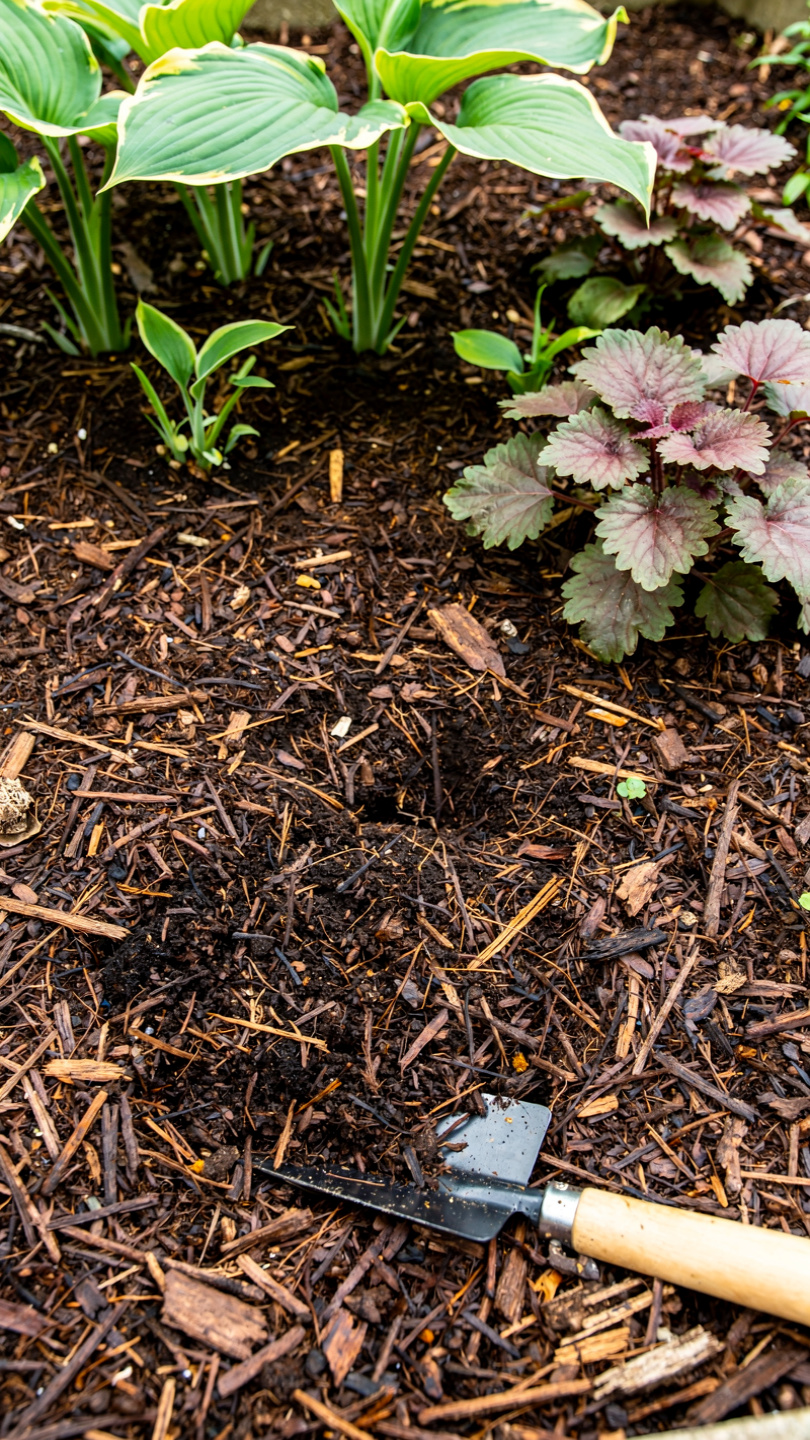
Mulch is the unsung hero of the gardening world. A thick layer of wood chips or bark acts like a security guard for your soil. It keeps moisture in and prevents weed seeds from ever seeing the light of day.
I prefer organic cedar mulch because it smells amazing and breaks down slowly. Do you really want to spend your Sunday afternoon pulling dandelions? Just lay down three inches of mulch and call it a day. 🙂
3. Plant Self-Seeding Flowers
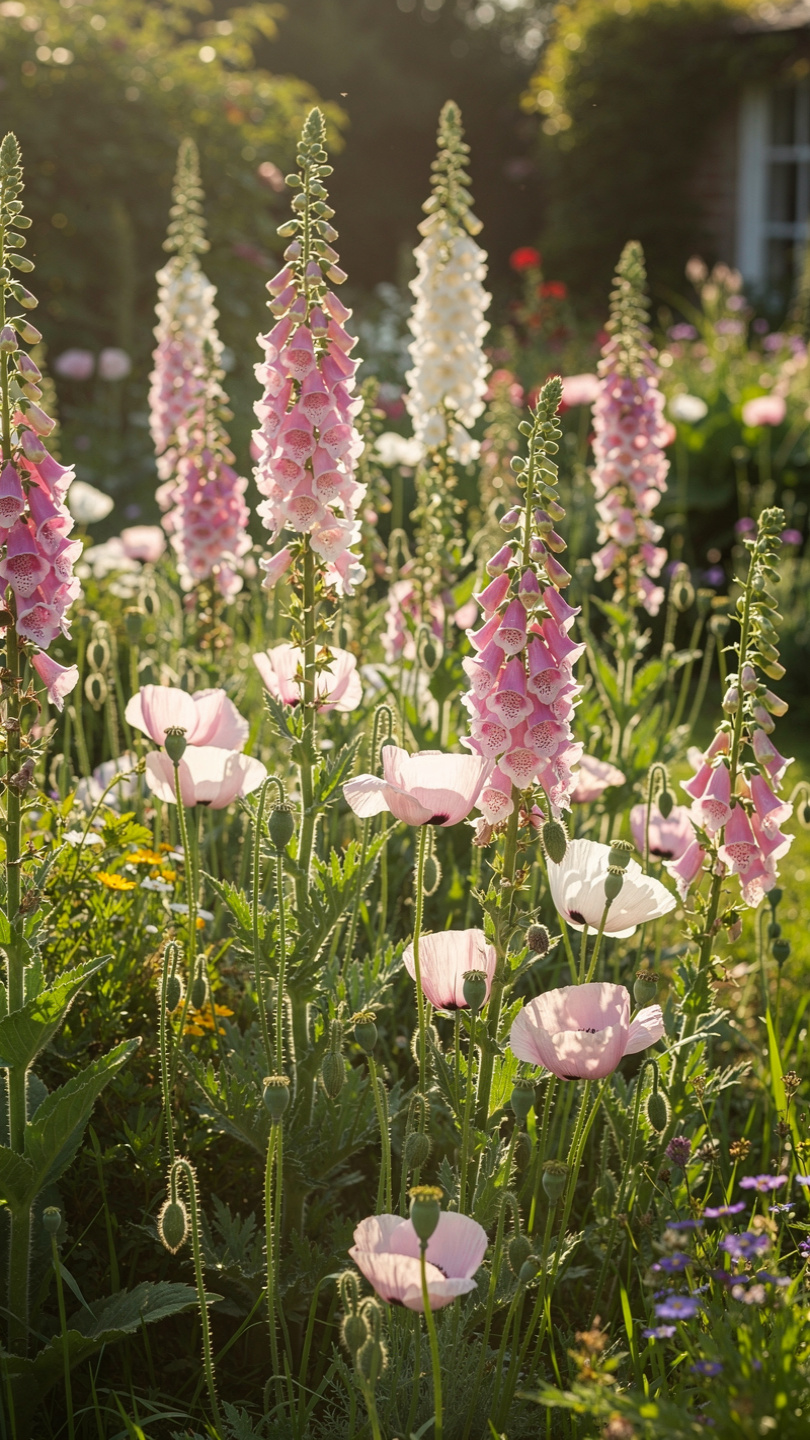
If you want a garden that basically plants itself, you need self-seeders. These plants drop their seeds at the end of the season, and new babies pop up the following spring. It’s like getting free plants from the universe.
Top Self-Seeding Picks
- Foxgloves: They add height and drama with zero effort.
- Poppies: Just toss the seeds once and they’ll return forever.
- Forget-Me-Nots: These create a beautiful blue carpet under taller shrubs.
Just a heads-up: some self-seeders can get a bit “enthusiastic.” IMO, it’s better to have too many flowers than too many weeds, so I just let them do their thing.
4. Choose Native Plants
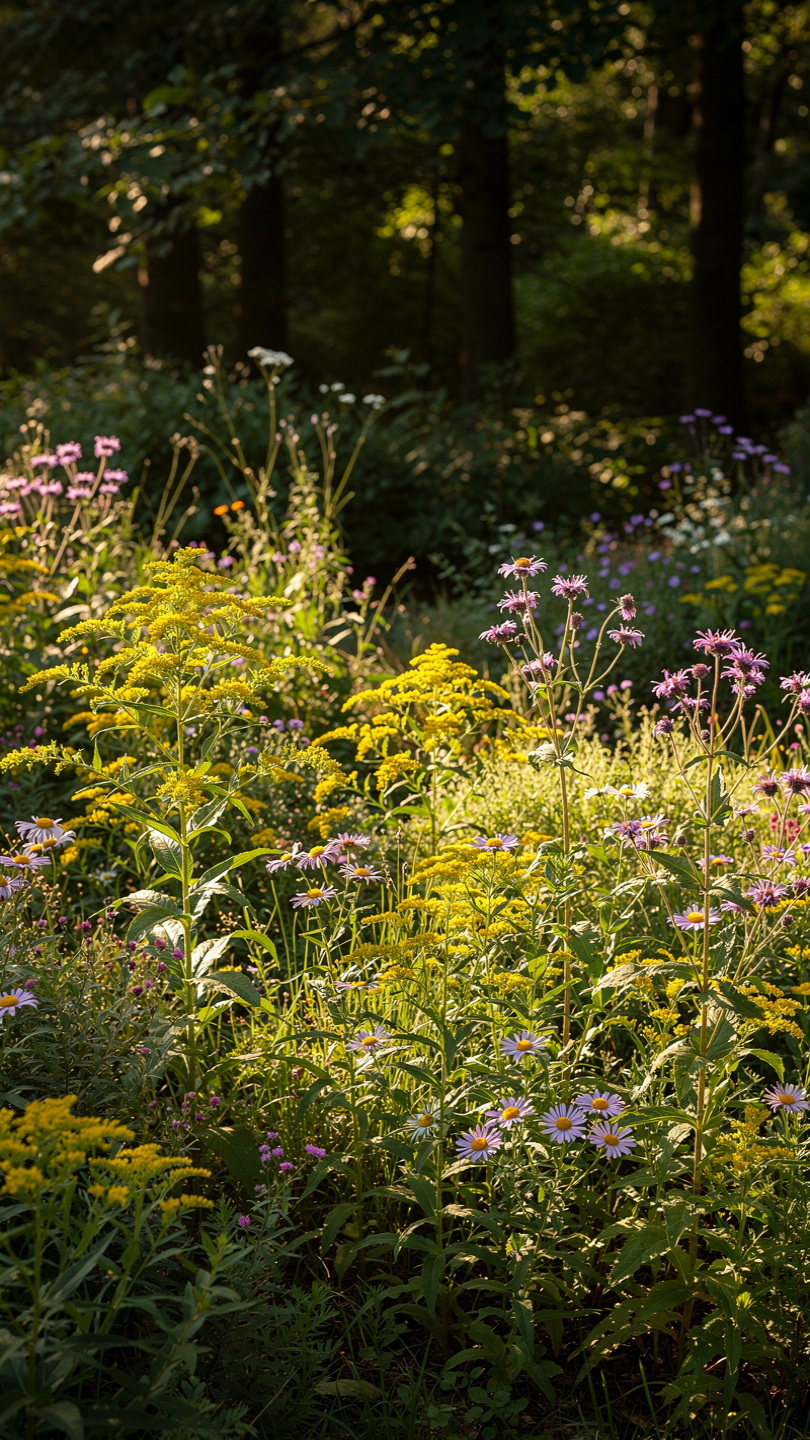
Native plants are the ultimate “set it and forget it” solution. Because they evolved in your local climate, they don’t need fancy fertilizers or constant watering. They actually want to live there, unlike those finicky exotic lilies that die if you look at them wrong.
Ever noticed how the “weeds” by the side of the road look great even in a drought? That’s the energy we’re looking for. Research what grows naturally in your zip code and fill your beds with those hardy survivors.
5. Use Shrubs as Anchors
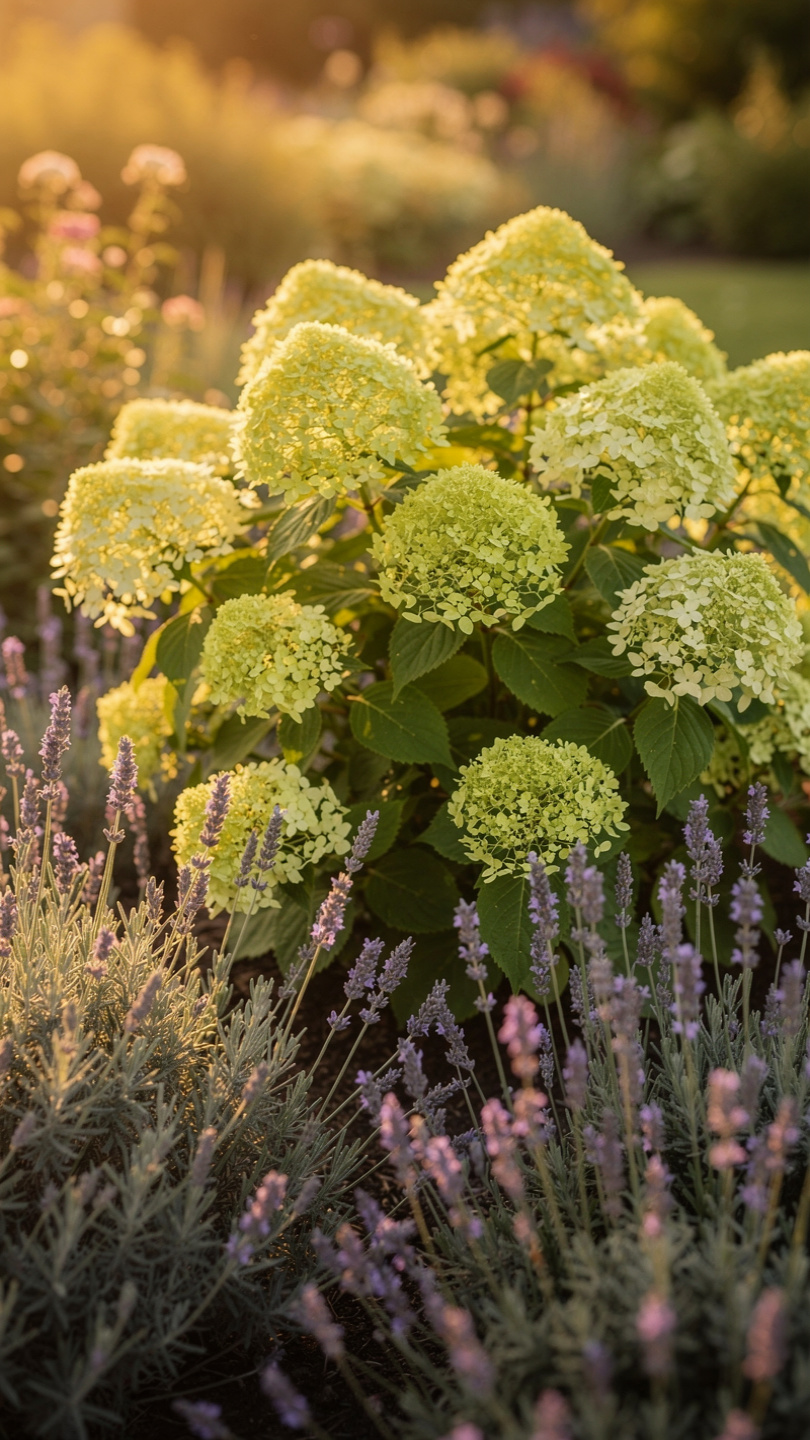
Every cottage garden needs structure, but you don’t need a degree in topiary to get it. Hardy shrubs provide year-round interest and require very little pruning. I love using Hydrangeas because they fill up a massive amount of space with gorgeous blooms.
Low-Maintenance Shrub Options
- Lavender: It smells like a spa and thrives on neglect.
- Boxwood: Perfect for a “tidy” look that balances the wild flowers.
- Lilacs: They offer incredible scent for about two weeks of work per year.
Boldly go for varieties that don’t require deadheading. Some modern cultivars drop their spent flowers automatically, saving you hours of snipping.
6. Install Drip Irrigation
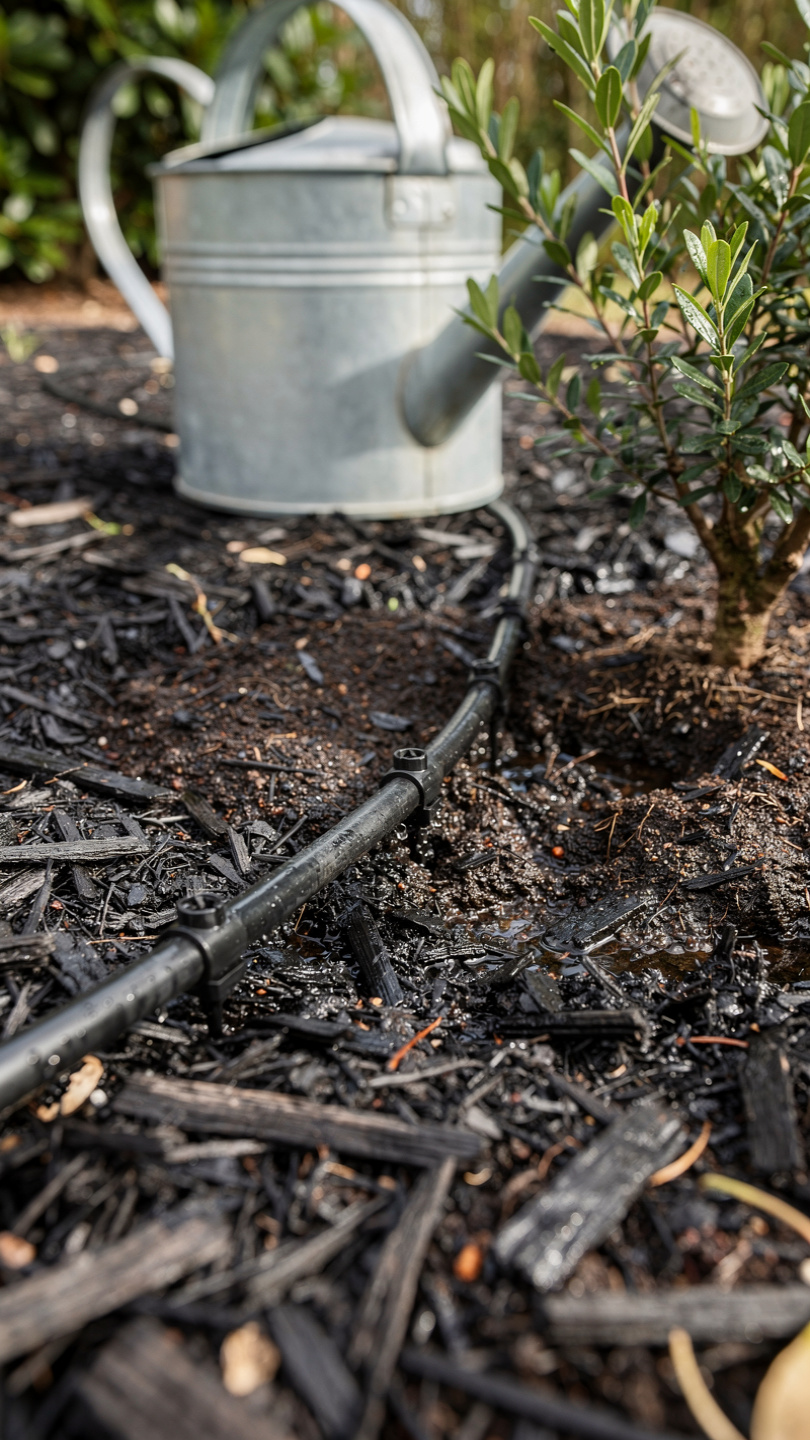
Stop standing outside with a hose like a statue. Drip irrigation systems deliver water directly to the roots where plants actually need it. You can even hook them up to a cheap timer so your garden drinks while you sleep.
Is there anything more satisfying than hearing the click of a timer and knowing your work is done? It reduces water waste and keeps your foliage dry, which prevents nasty fungal diseases.
7. Select One-and-Done Roses
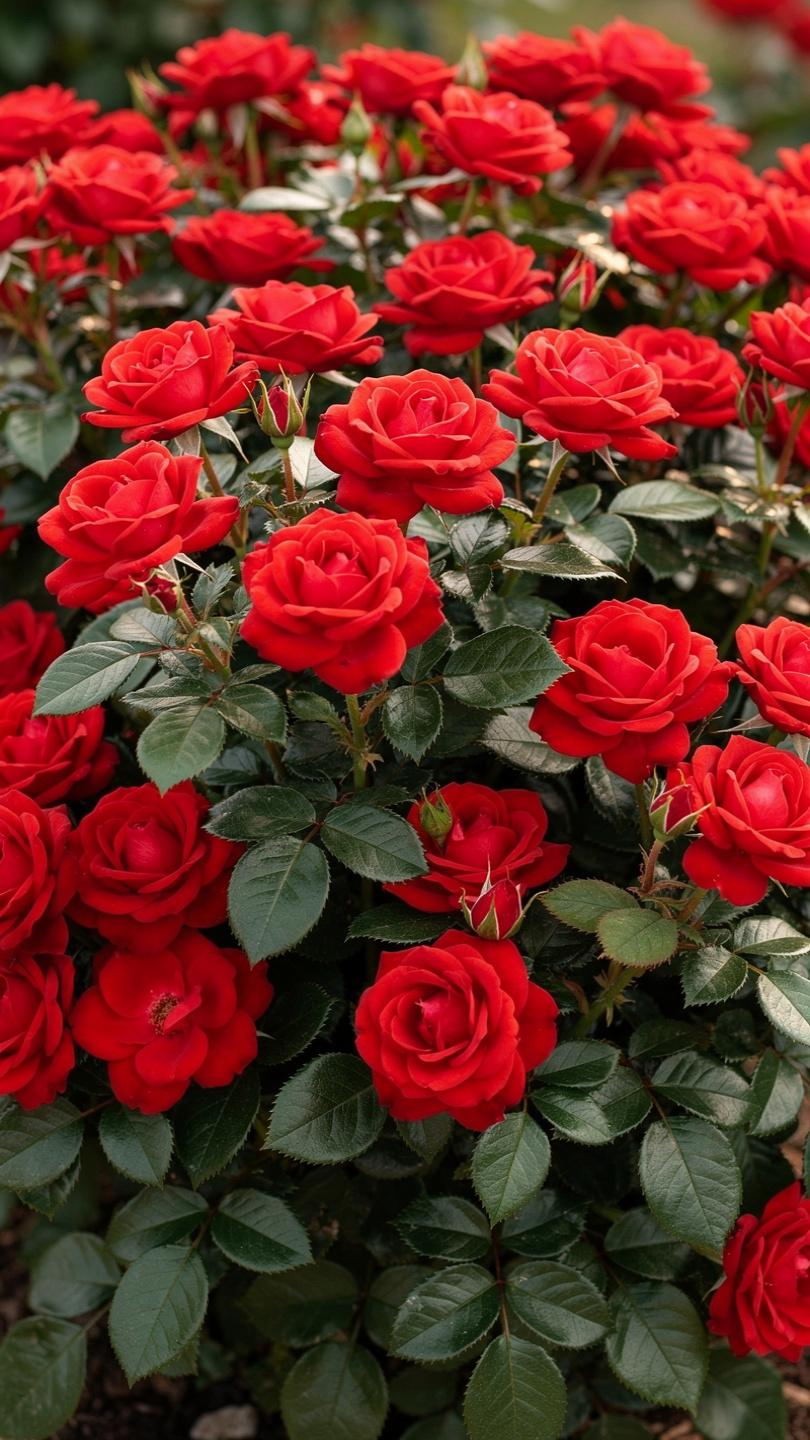
Traditional roses have a reputation for being “divas.” They want special food, specific pruning, and constant attention. Fortunately, Knock Out roses or Drift roses changed the game entirely.
These varieties resist black spot and aphids like tiny floral tanks. They bloom almost all summer long and don’t require you to be a master gardener. I planted a row of these three years ago and I’ve pruned them exactly once.
8. Go Vertical with Clematis
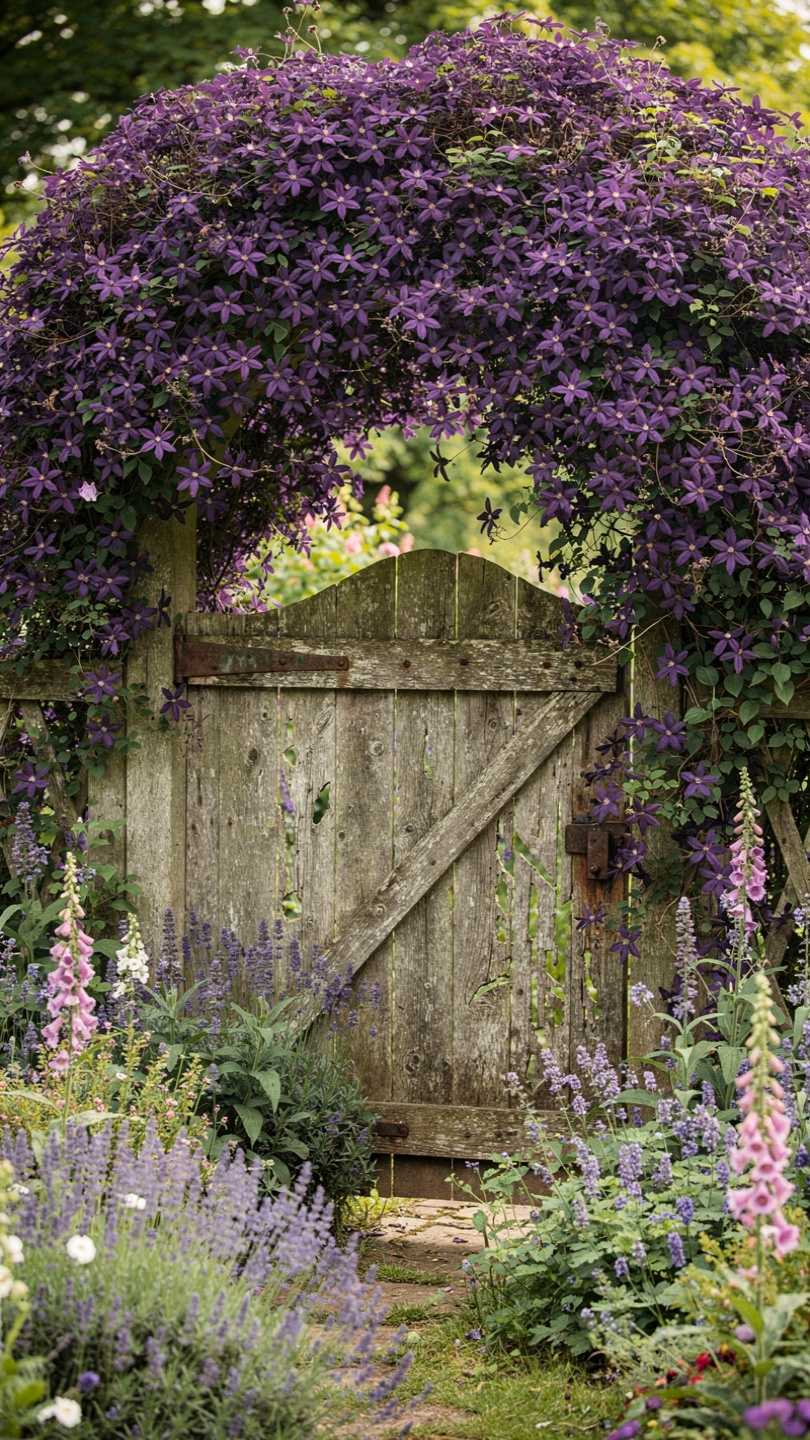
If you have a small space, go up! Clematis is the “Queen of Climbers” for a reason. It covers fences and trellises in a blanket of color without taking up much floor space.
Pick a “Group 3” Clematis if you’re lazy. You just hack the whole thing down to about 12 inches in late winter, and it grows back bigger and better every year. Simple math, right?
9. Create Hardscape Paths
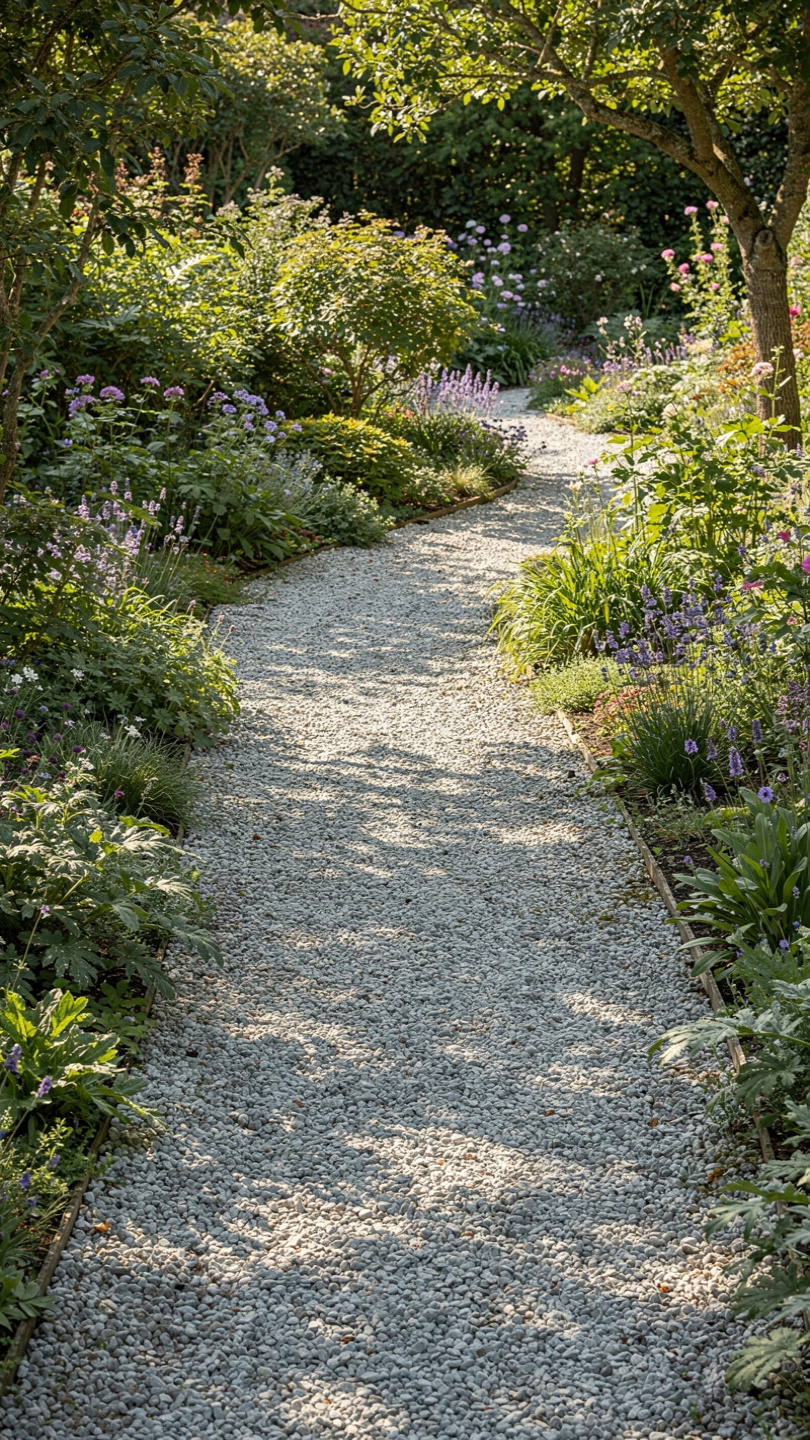
Paths aren’t just for walking; they define the garden’s “bones.” Using gravel or stepping stones creates a permanent structure that never needs watering. It also prevents you from trampling your delicate seedlings.
Path Materials to Consider
- Pea Gravel: Cheap, easy to install, and makes a satisfying crunching sound.
- Flagstone: Looks timeless and allows “steppable” plants like thyme to grow in the cracks.
- Wood Slabs: Great for a rustic, woodland vibe.
A winding path makes even a tiny garden feel like an adventure. Plus, it gives you a clear boundary for where the “wild” parts should stop.
10. Focus on Foliage
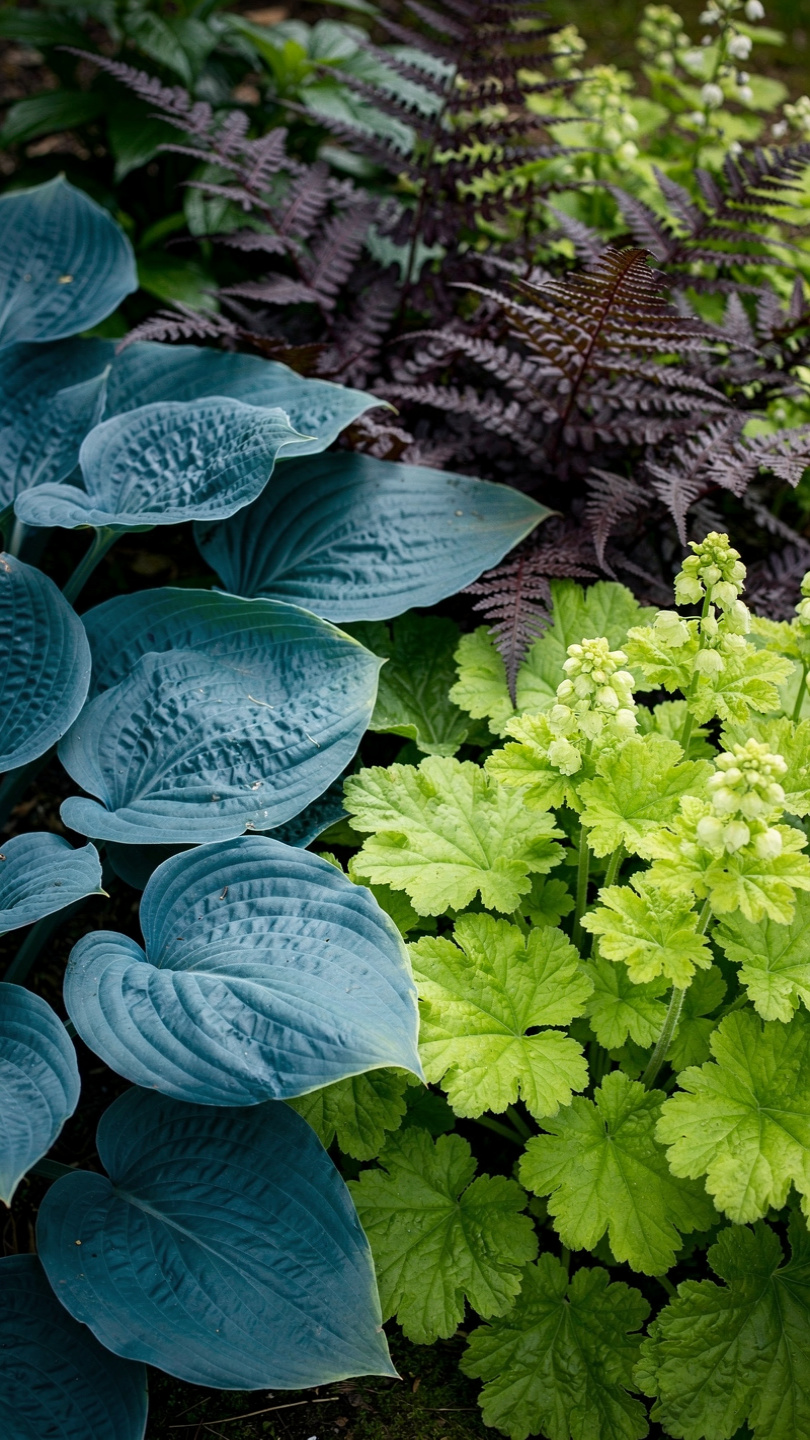
Flowers are great, but they eventually fade. Plants with interesting leaves provide color from spring until the first frost. I’m a huge fan of Hostas and Heucheras for this exact reason.
Foliage Favorites
- Hostas: They come in blue, gold, and variegated greens.
- Heucheras (Coral Bells): These offer purple, lime, and silver leaves.
- Ornamental Grasses: They add movement and sound when the wind blows.
Plants with bold foliage do the heavy lifting when the flowers take a break. It’s the easiest way to keep your garden looking “full” without planting a thousand annuals.
11. Limit Your Color Palette
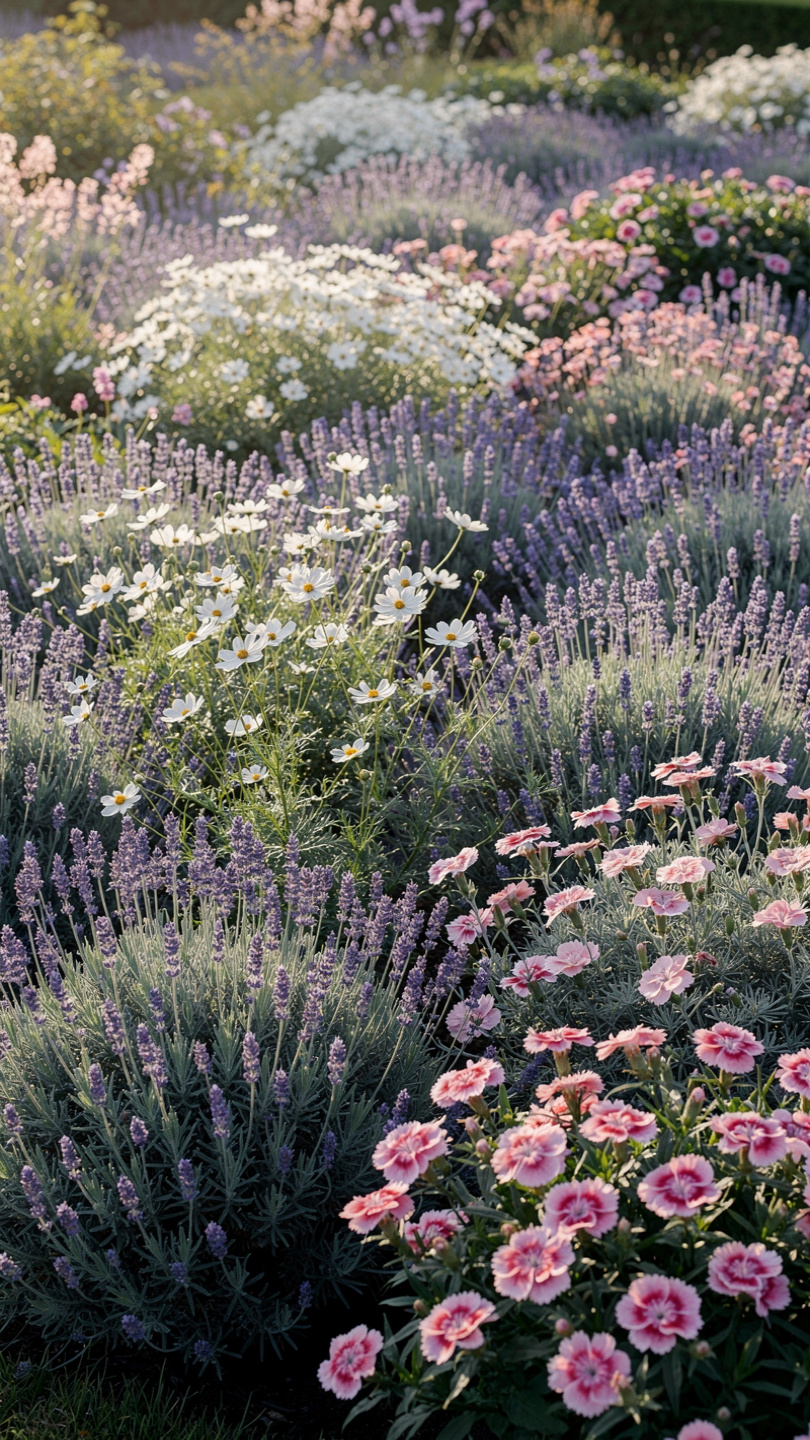
It sounds counterintuitive, but sticking to three or four main colors makes a garden look much more professional and less cluttered. It also makes shopping easier! If you only buy pink, purple, and white flowers, everything will automatically match.
I once tried to plant every color of the rainbow and my backyard ended up looking like a clown’s garage sale. FYI, a limited palette actually creates a more soothing, “designer” feel.
12. Use Containers for High-Maintenance Plants
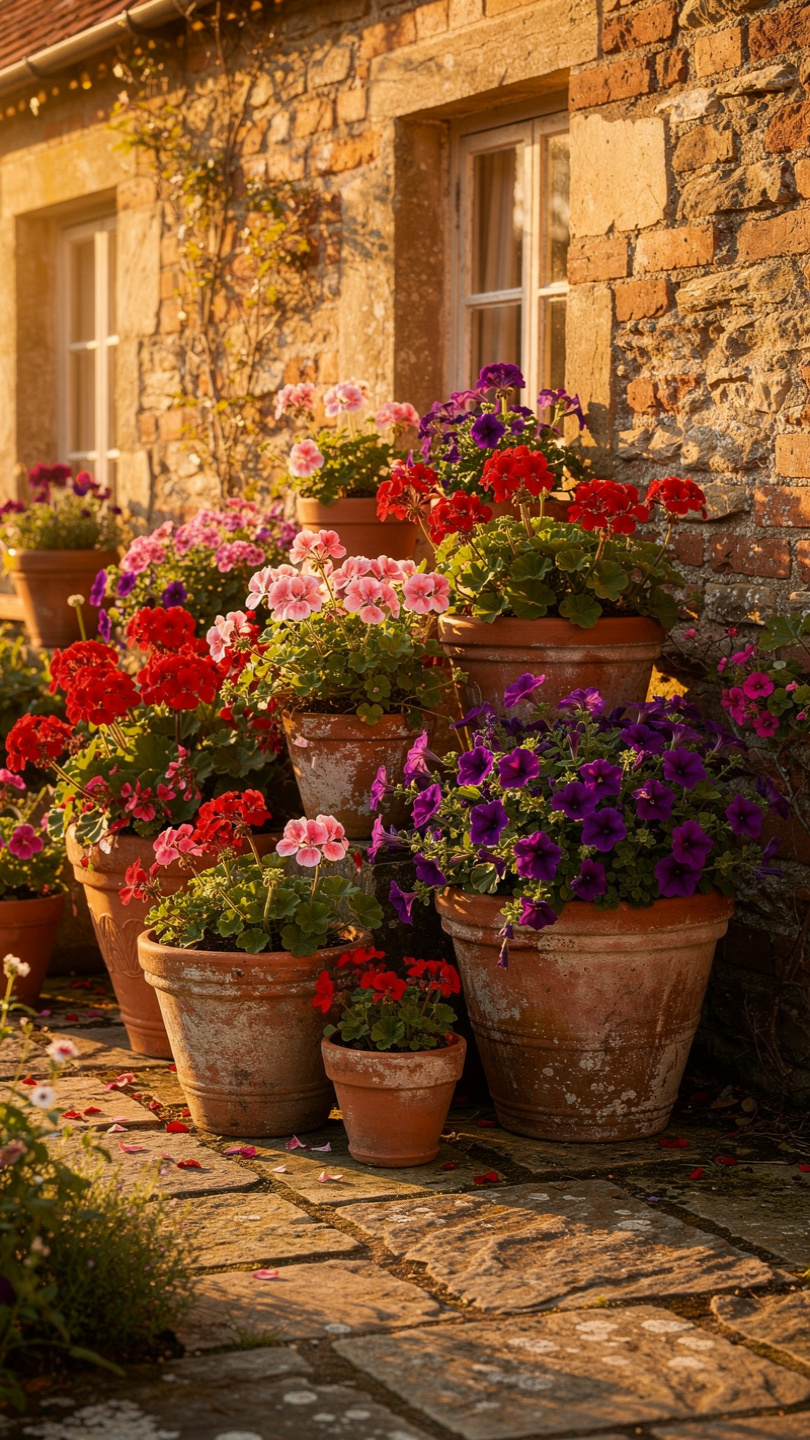
If you absolutely must have a plant that needs special soil or extra water, put it in a pot. Container gardening allows you to control the environment perfectly. You can move them around to catch the sun or hide them if they start looking a bit ragged.
Large pots hold moisture longer than small ones, so go big. A few massive terracotta planters filled with geraniums look way more “cottage-core” than a dozen tiny plastic pots scattered around.
13. Let the Herbs Take Over
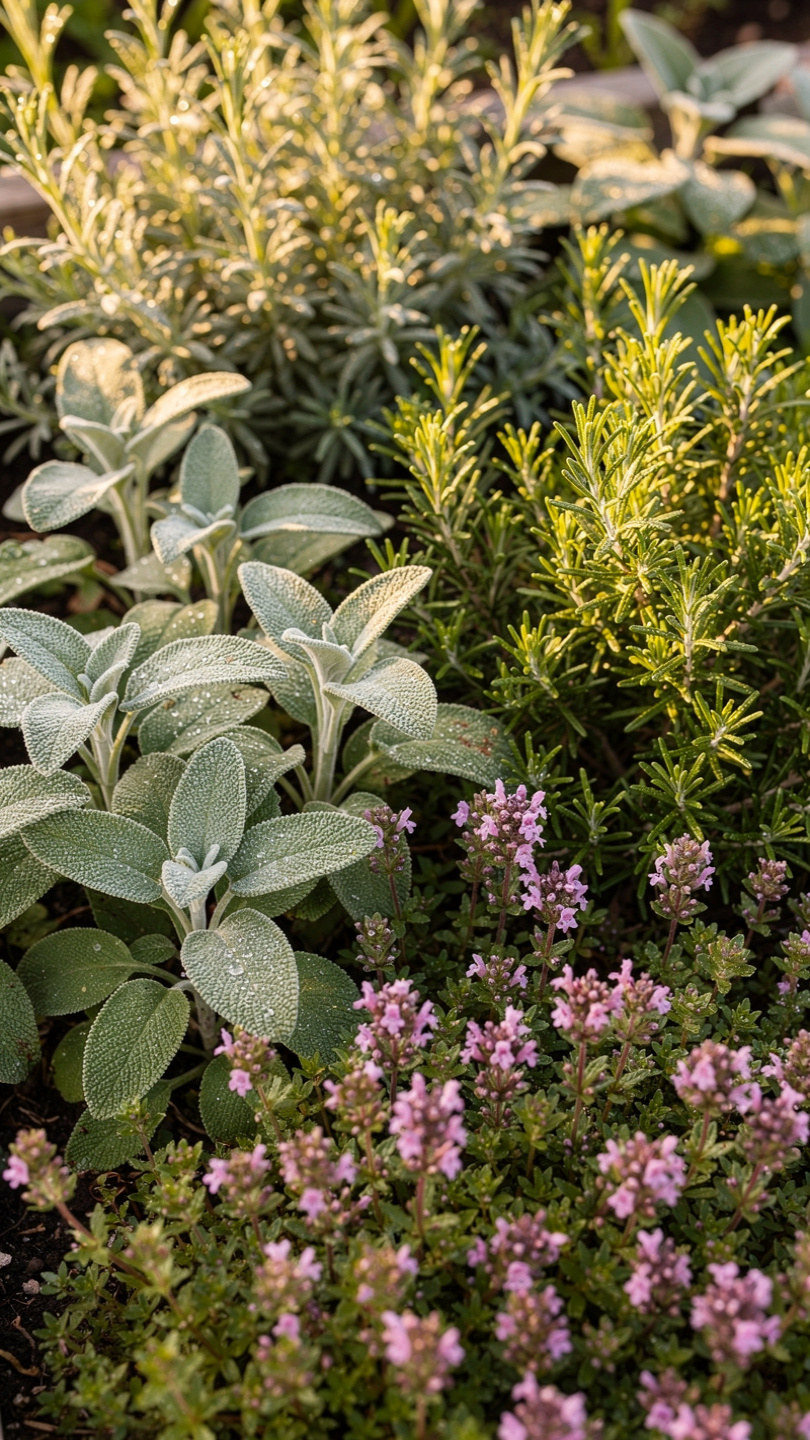
Many herbs are actually incredibly tough perennials that look right at home in a cottage setting. Rosemary, Thyme, and Sage are basically indestructible once they’re established.
They provide beautiful textures, smell fantastic, and you can eat them. What’s not to love? I use creeping thyme as a “living mulch” between my paving stones to keep weeds at bay.
14. Embrace the Wild Look
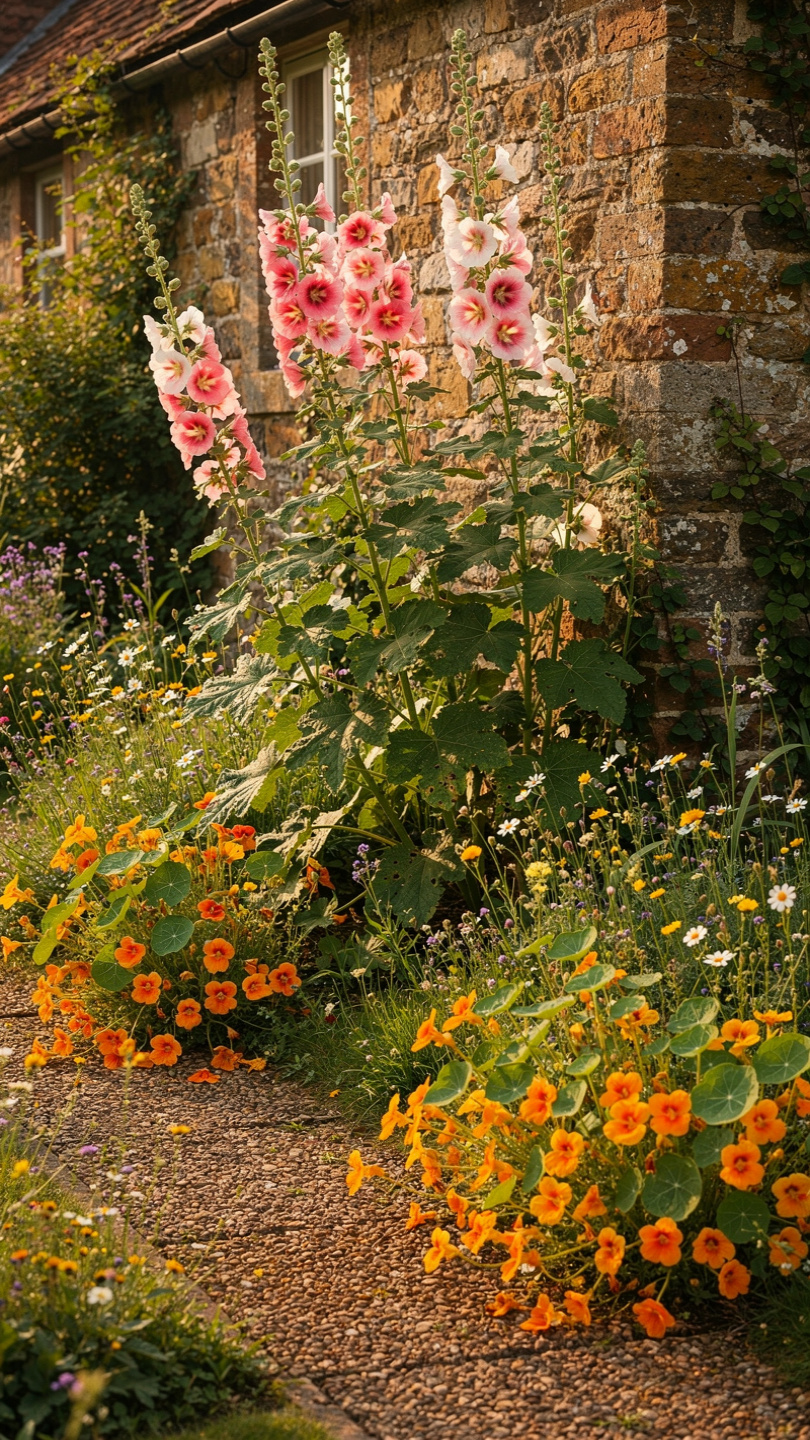
The secret to a low-maintenance cottage garden is realizing that imperfection is a feature, not a bug. If a few flowers flop over or a vine wanders off its trellis, just call it “romantic.”
Stop obsessing over straight lines and perfect edges. A cottage garden should feel like nature gave it a big, messy hug. If you stop fighting nature, your stress levels will plummet.
15. Plant Spring Bulbs and Forget Them
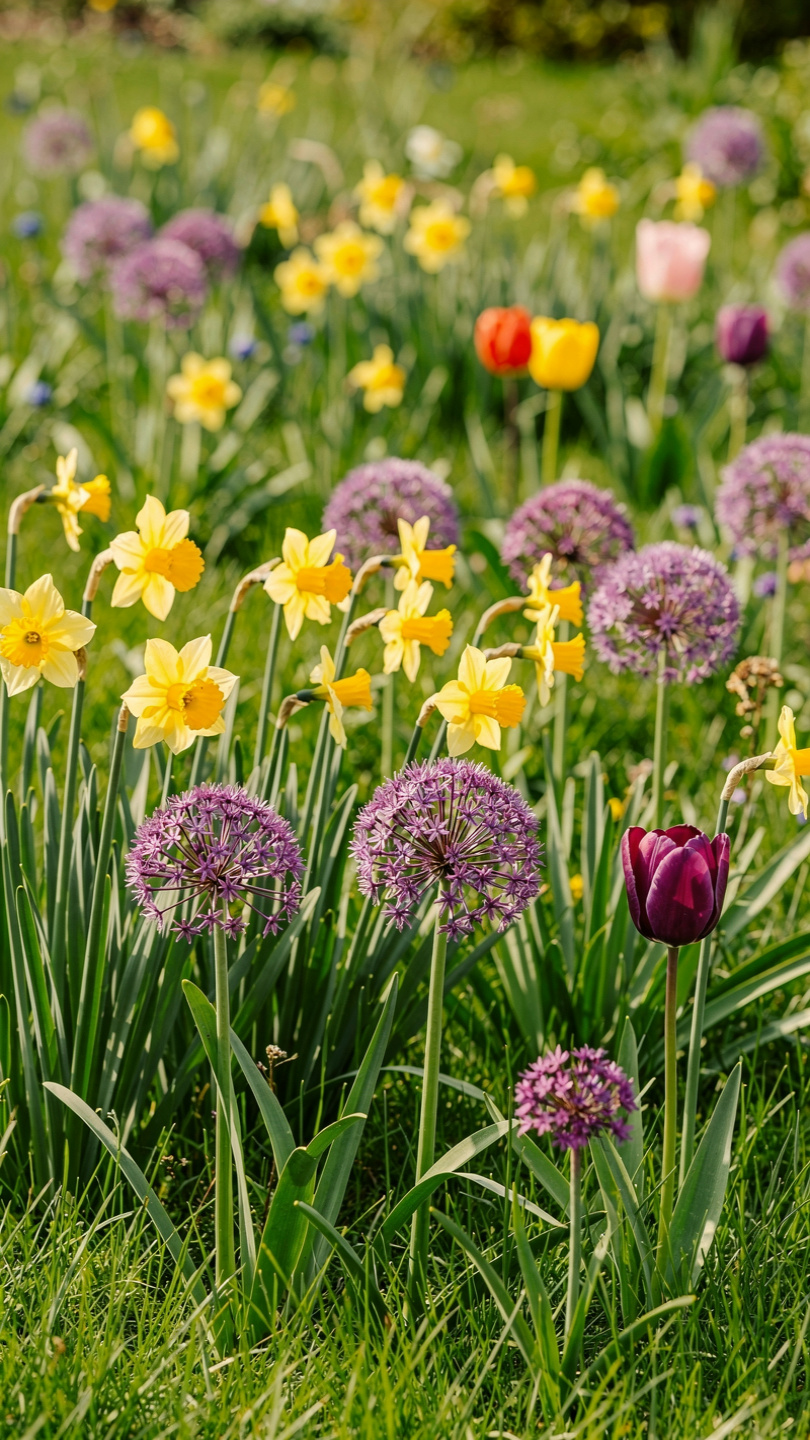
Daffodils and Alliums are the ultimate lazy gardener’s dream. You dig a hole in the fall, drop them in, and then completely forget they exist. Months later, they pop up to remind you that spring is here.
Alliums are particularly great because deer and rabbits usually leave them alone. They look like purple pom-poms floating above your other plants. Just let the leaves turn yellow and die back naturally so the bulb can store energy for next year.
16. Attract Natural Pest Control
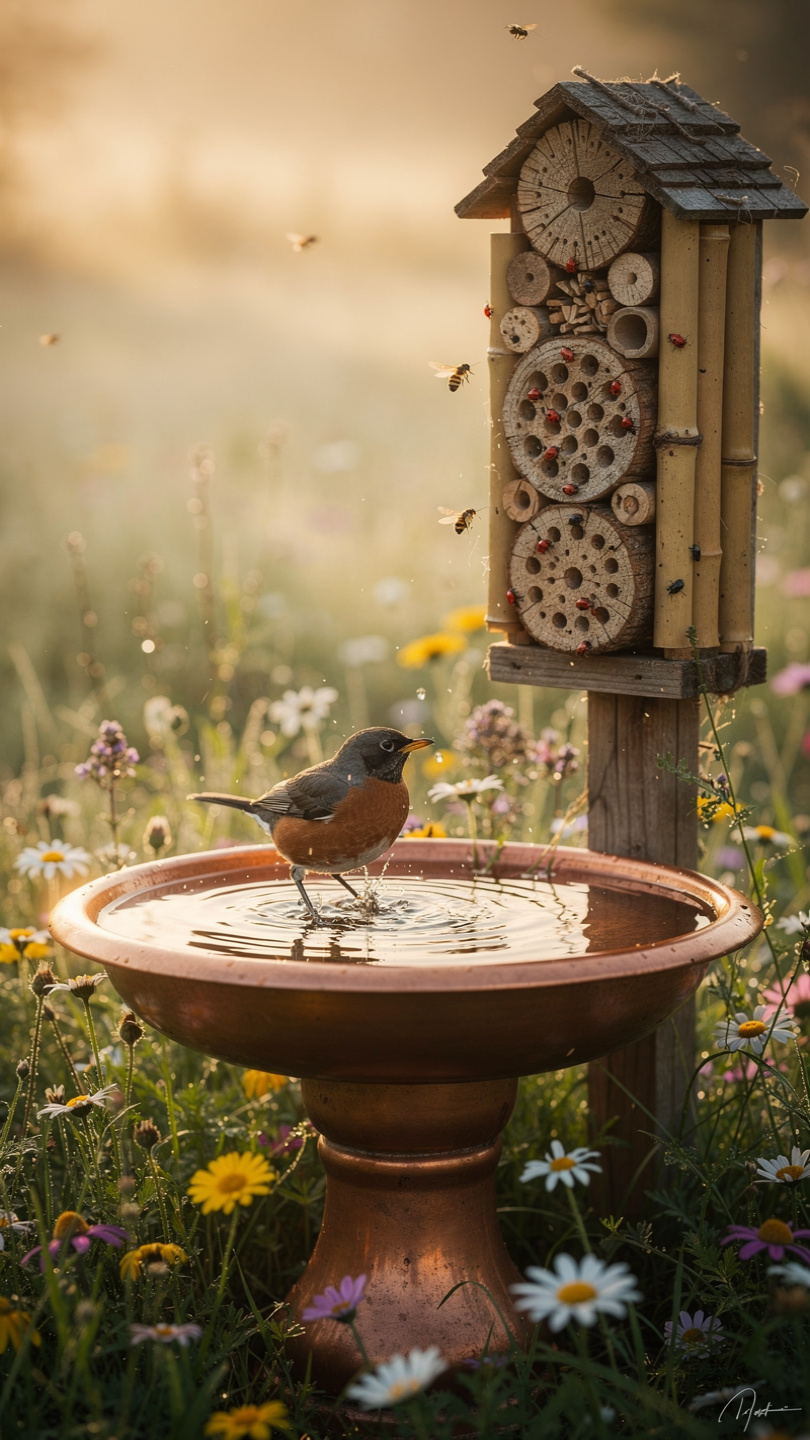
Why spray chemicals when birds and beneficial insects will do the work for you? Adding a simple birdbath or a bee hotel encourages nature to balance itself out.
Ladybugs eat aphids, and birds snack on caterpillars. By creating a tiny ecosystem, you reduce the need for intervention. Plus, watching a robin splash around in the water is much more entertaining than spraying pesticide. 🙂
17. Choose Self Cleaning Plants
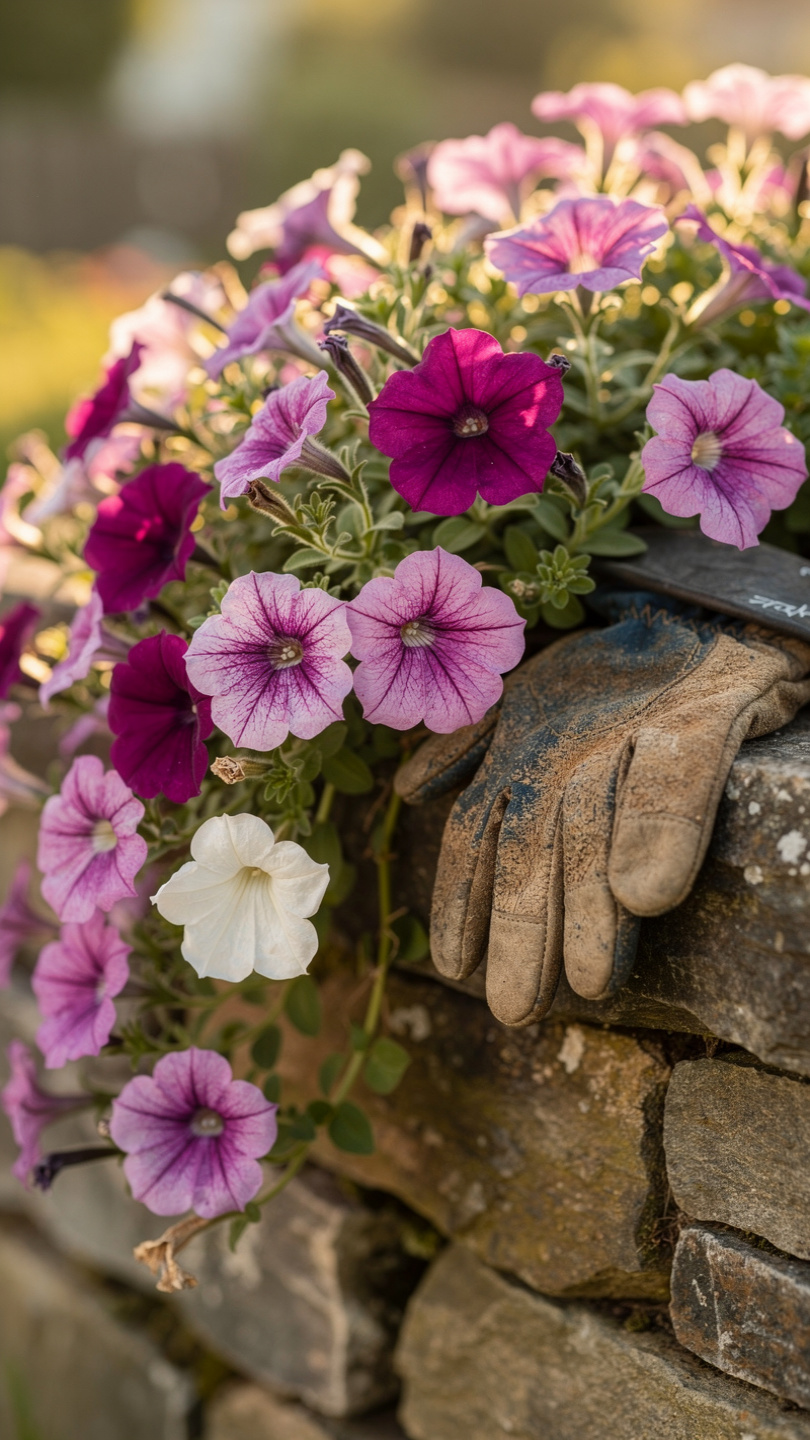
“Deadheading” is just a fancy word for cutting off dead flowers so the plant grows more. It’s tedious. To avoid this, look for self-cleaning varieties that drop their old blooms automatically.
Many modern Petunias and Calibrachoas do this now. You get all the color with none of the sticky fingers. Always check the plant tag for the “no deadheading required” label—it’s a total life-saver.
18. Use Groundcovers as Green Mulch
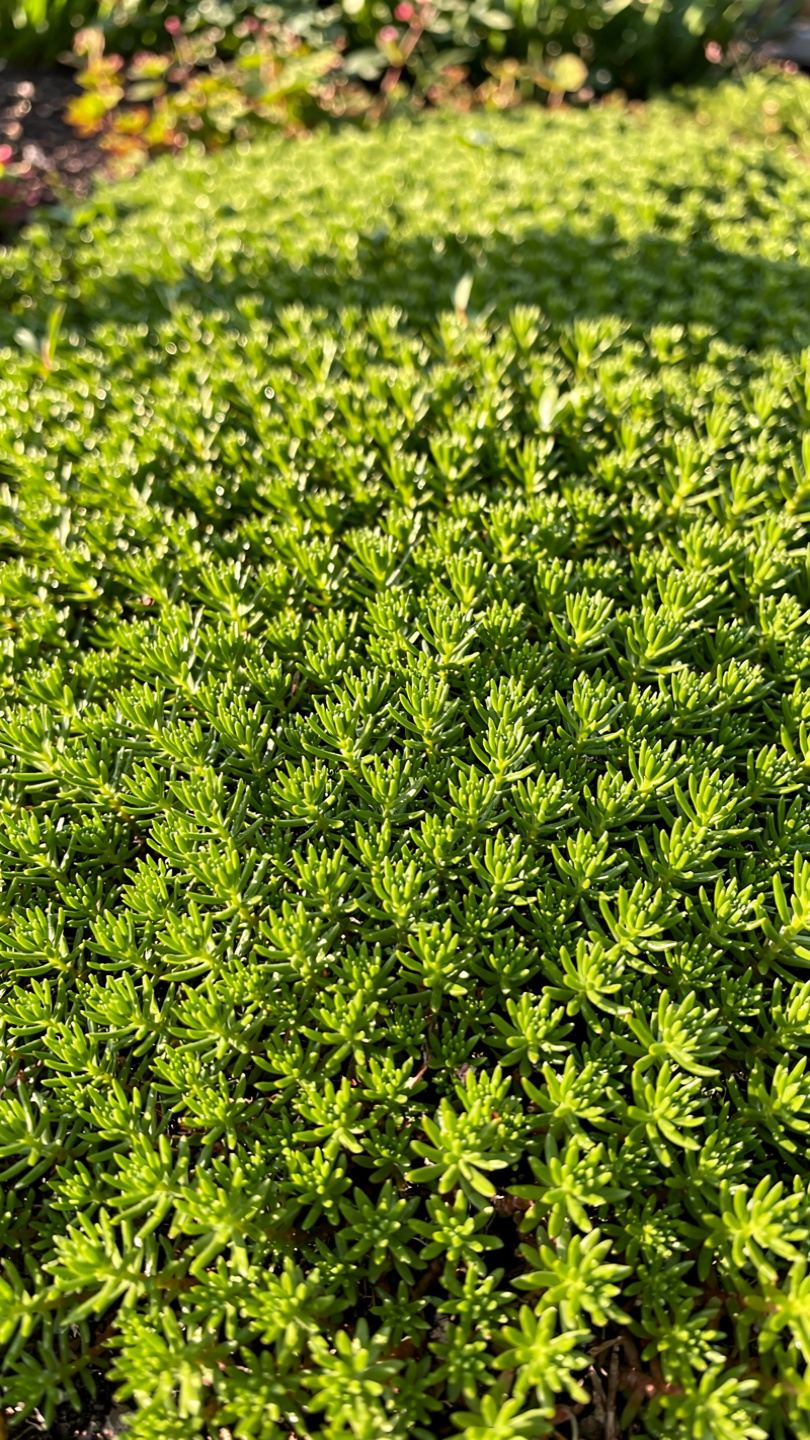
Groundcovers are living blankets that knit together to form a solid mat. They block weeds and keep the soil cool. Sedum and Vinca Minor are classic choices that require almost zero attention.
Ever thought about how much time you’d save if you never had to mulch again? Once groundcovers fill in, they do the job for you. Just make sure you don’t pick something invasive that will eat your house.
19. Invest in Good Tools
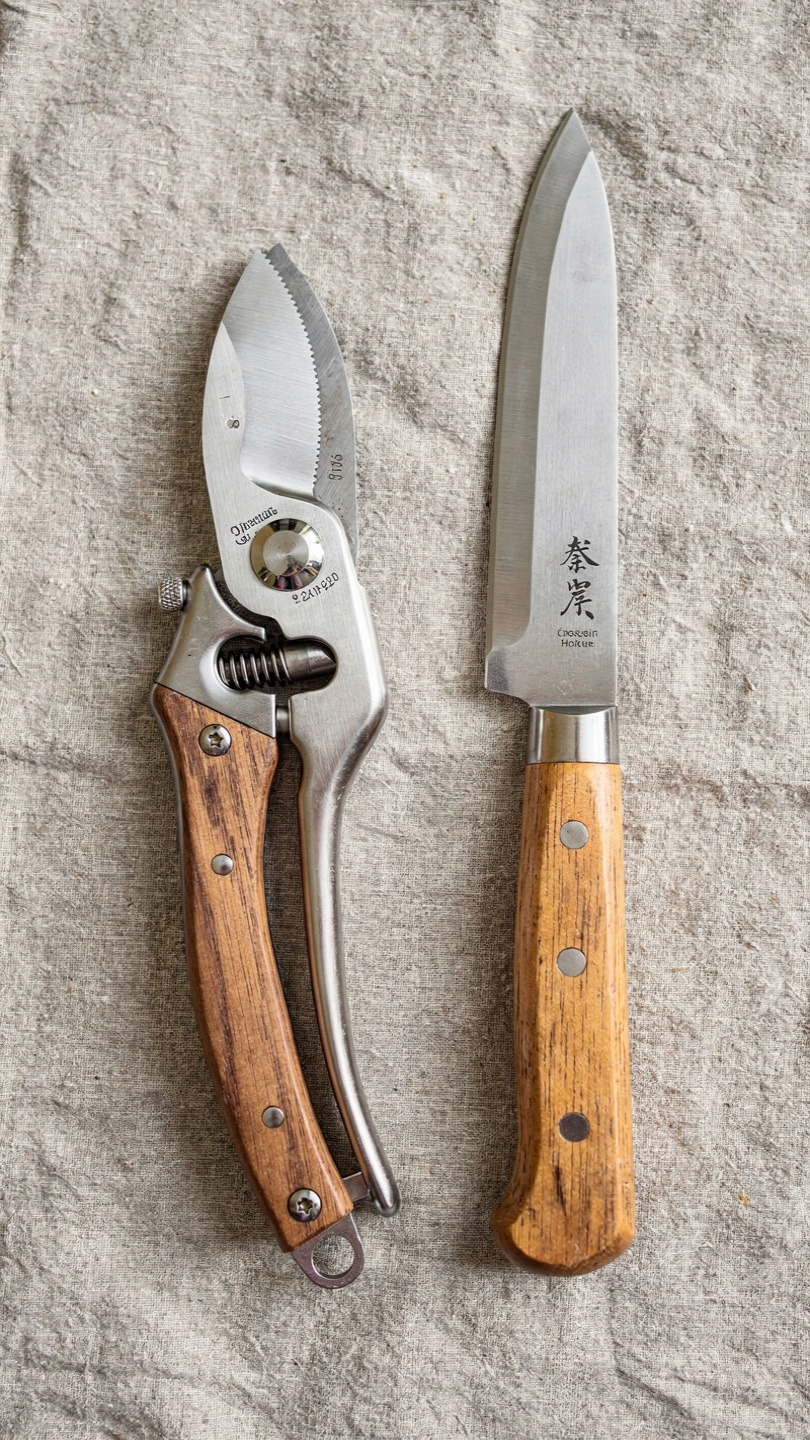
You don’t need a shed full of gadgets, but a few high-quality tools make chores faster. A sharp pair of bypass pruners and a sturdy Hori Hori knife are my two essentials.
If your tools are dull or rusty, you’ll hate using them. Spend the extra twenty bucks on a good brand—your wrists will thank you later. Is there anything worse than a shovel that bends the first time it hits a rock? :/
20. Relax and Enjoy the View
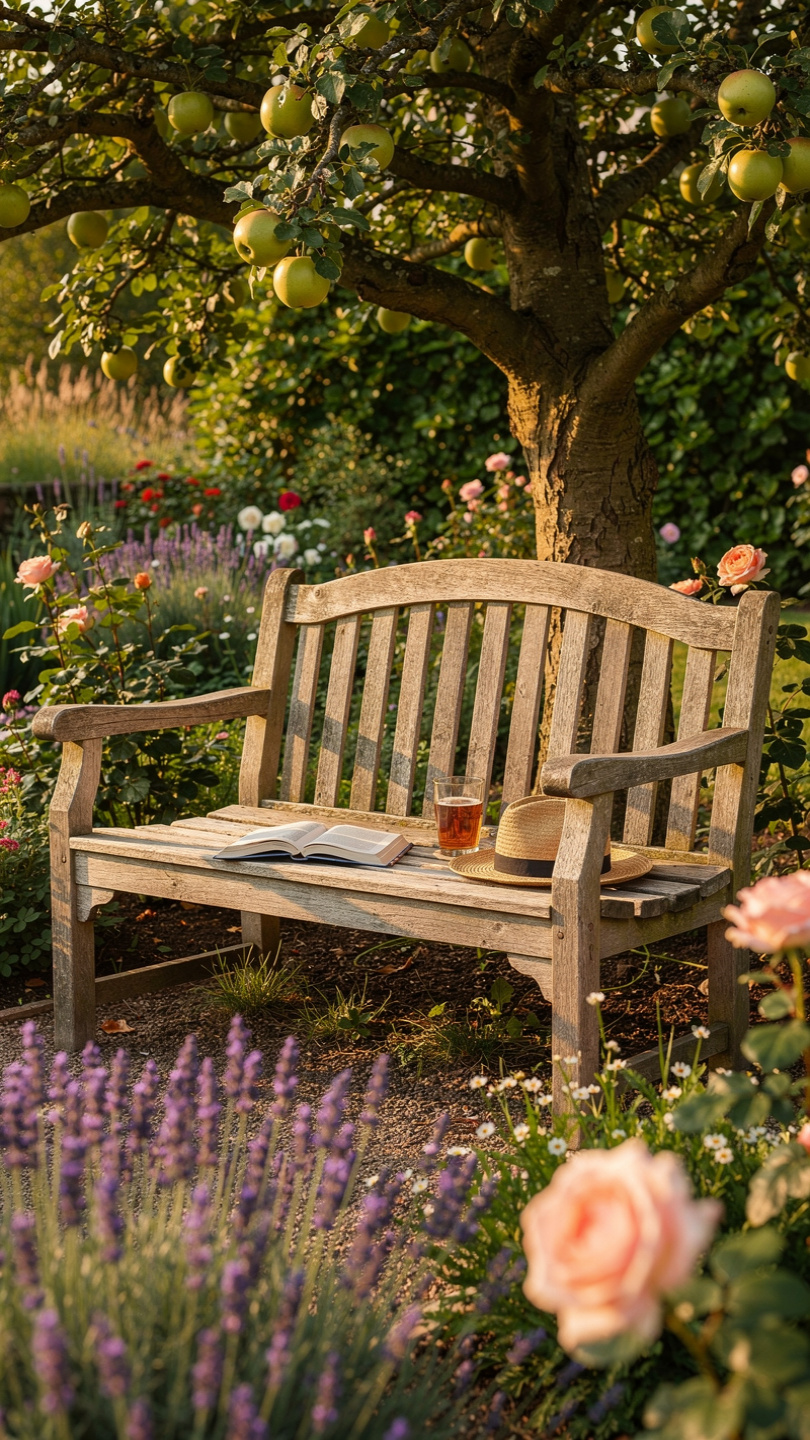
The most important rule of a low-maintenance garden is to actually spend time in it. Buy a comfortable bench, place it in the shade, and ignore that one weed over in the corner.
A garden is supposed to be a sanctuary, not a second job. If you’ve followed even half of these ideas, your yard should be looking pretty fantastic by now. Take a deep breath and enjoy the fragrance!
Summary of the Best Low-Maintenance Strategies
To recap, if you want a beautiful cottage garden without the sweat, focus on these big wins:
- Prioritize perennials and native plants for longevity.
- Use mulch and groundcovers to eliminate weeding.
- Automate your watering with drip systems.
- Choose hardy, modern varieties of classic flowers like roses and hydrangeas.
Building a garden is a marathon, not a sprint. Take it one flower bed at a time, and before you know it, you’ll have the most charming spot on the block. So, which of these ideas are you going to try first? Maybe start by buying that comfortable bench—I won’t tell anyone.