

So, you have a backyard the size of a postage stamp and a dream of living in a Jane Austen novel? I feel your pain. My first “garden” was a concrete slab where even the weeds looked depressed, but I eventually turned it into a floral explosion.
You don’t need a sprawling English estate to capture that wild, romantic cottage vibe. In fact, small spaces often make the best cottage gardens because they feel intimate and intentional. Let’s look at 20 ways you can transform your tiny patch of dirt into a perennial paradise.
1. Ditch the Lawn Completely
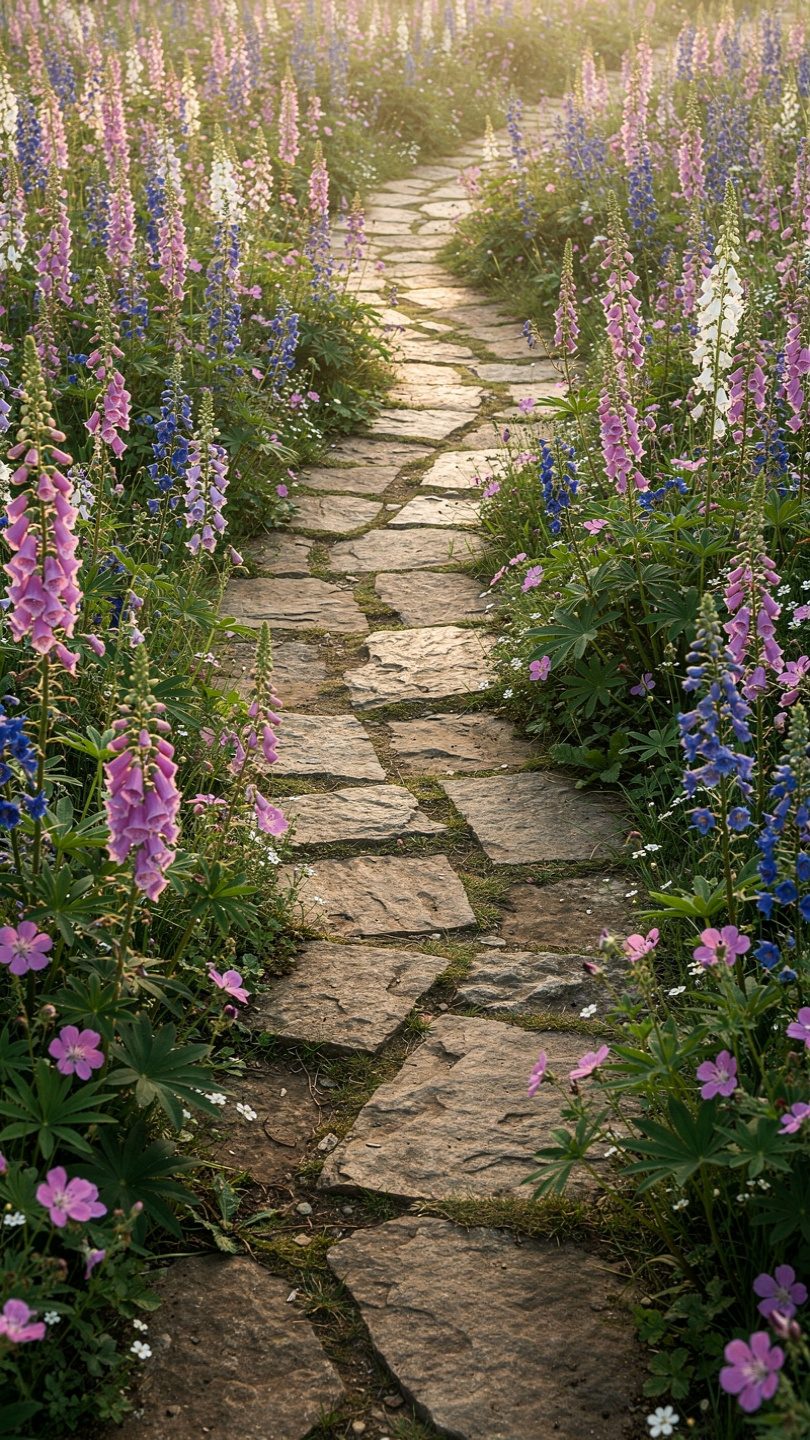
Why are we still obsessed with tiny squares of grass that require a weekly haircut? In a small cottage garden, lawns are wasted space. Replace that grass with narrow winding paths and overflowing flower beds.
I ripped out my patch of turf years ago and never looked back. Now, I spend my weekends sipping tea among the foxgloves instead of wrestling with a lawnmower. Isn’t that a much better use of your Saturday?
2. Embrace the “Chaos” of Self-Seeders
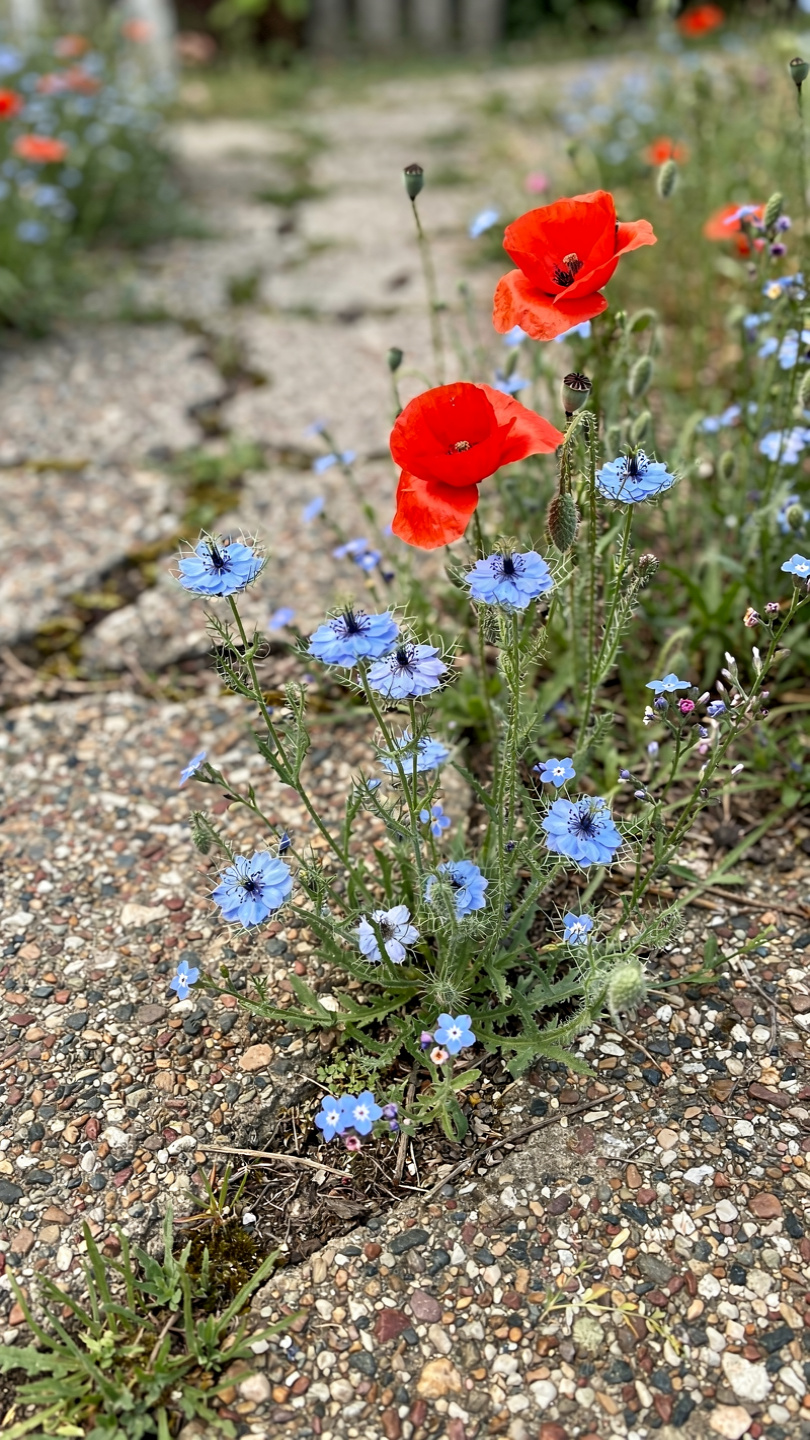
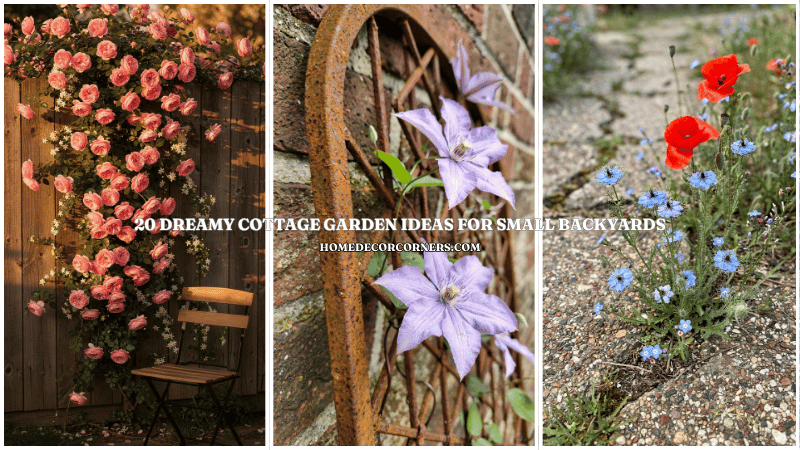
Cottage gardens should look like they planted themselves while you were taking a nap. Use self-seeding plants like Nigella (Love-in-a-Mist), Forget-me-nots, and Poppies. These plants drop their seeds and pop up in the cracks of your paving next year.
This “controlled chaos” gives your backyard an effortless, lived-in feel. Just remember to pull out the ones that try to take over your front door. IMO, a little wildness goes a long way toward that authentic look 🙂
3. Go Vertical with Climbing Roses
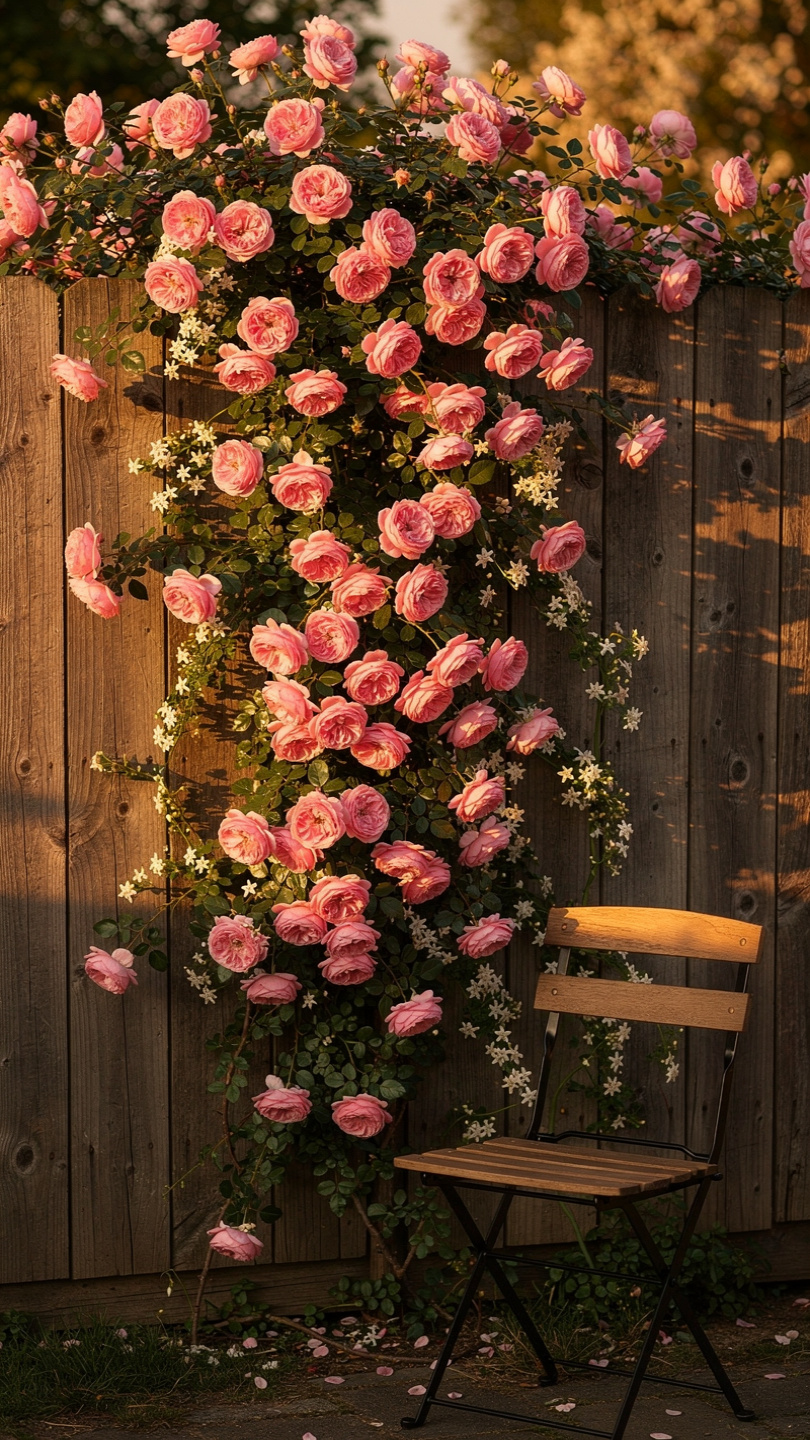
When you run out of floor space, look up. Climbing roses provide the ultimate cottage aesthetic without hogging your precious square footage. They turn a boring fence into a wall of perfume and color.
- David Austin Roses: These offer that classic many-petaled look.
- Star Jasmine: Great for evergreen leaves and intense scent.
- Clematis: Perfect for weaving through other climbers.
4. Install a Weathered Trellis
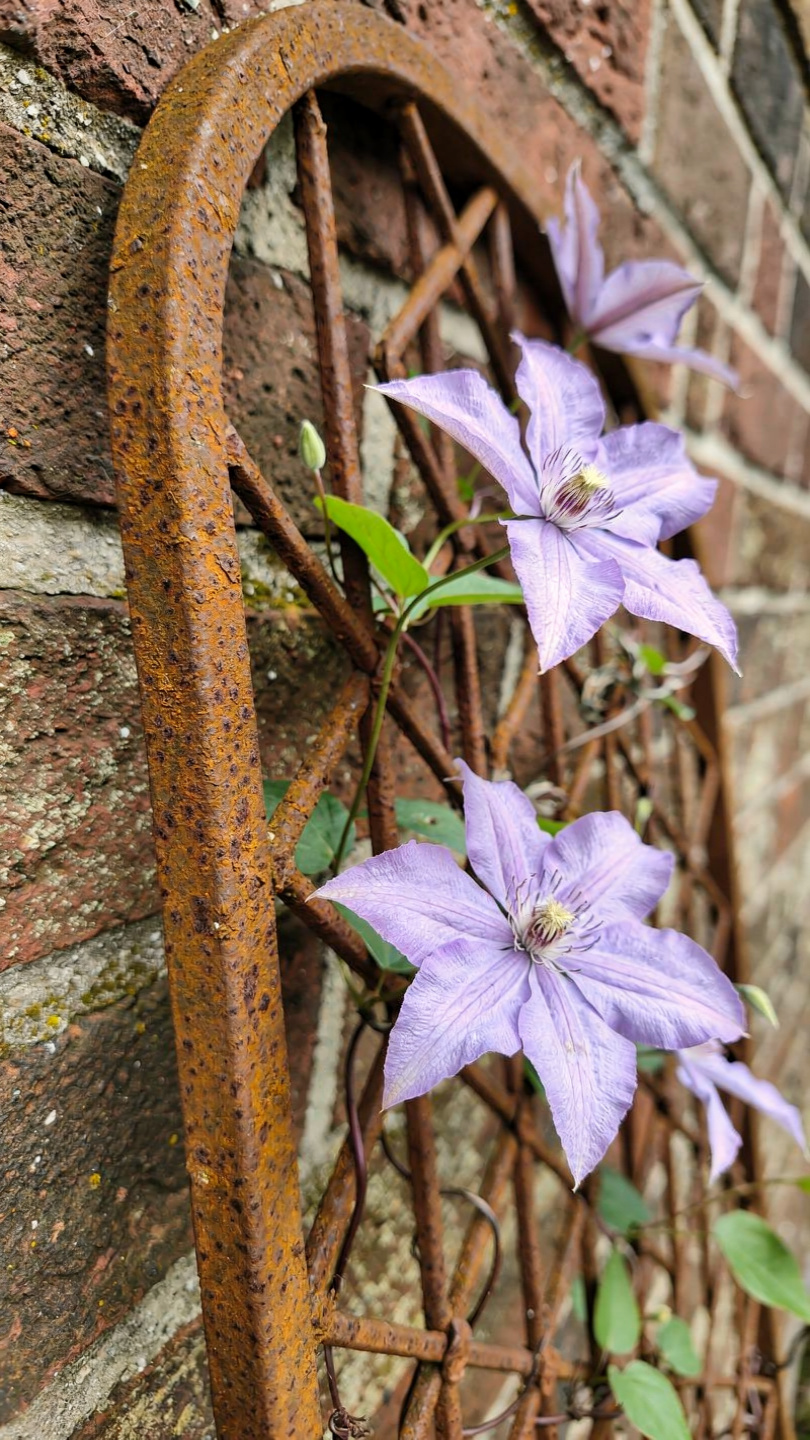
A shiny plastic trellis looks like it belongs in a big-box store parking lot, not your sanctuary. Use natural wood or rusted iron structures instead. These materials blend into the foliage and look like they’ve been there for decades.
Do you really want your garden looking like a suburban showroom? Weathered textures add instant history to a brand-new space. They provide the perfect “bones” for your vertical plants to scramble over.
5. Mix Your Veggies and Flowers
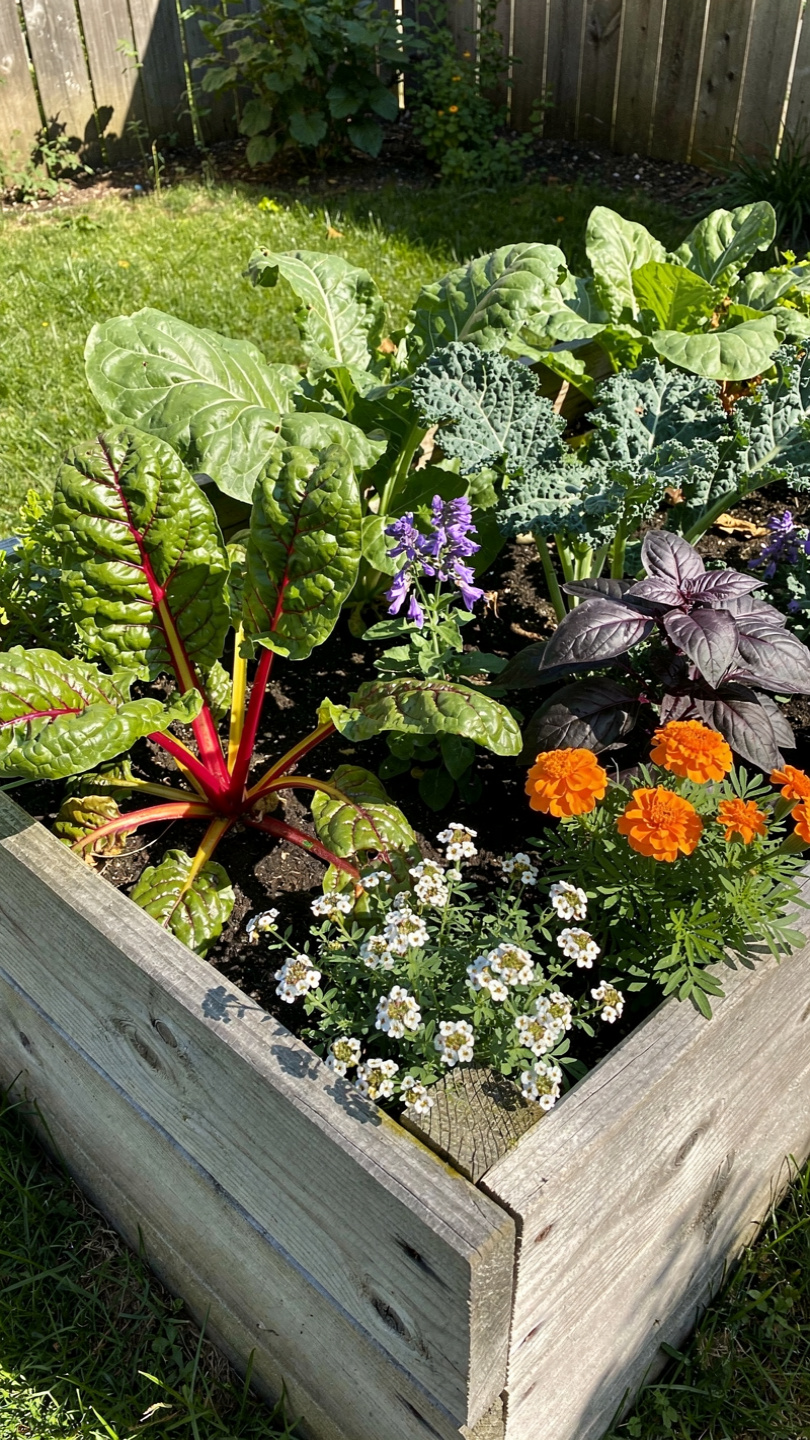
Cottage gardens traditionally served a purpose—they fed the family. Don’t separate your tomatoes from your tulips. Plant rainbow chard, kale, and herbs right alongside your peonies.
I love the look of purple basil tucked under a rose bush. It saves space and looks surprisingly chic. Plus, it makes grabbing dinner ingredients a lot more scenic than walking to a muddy veg patch in the corner.
6. Use Soft, Blurred Edges
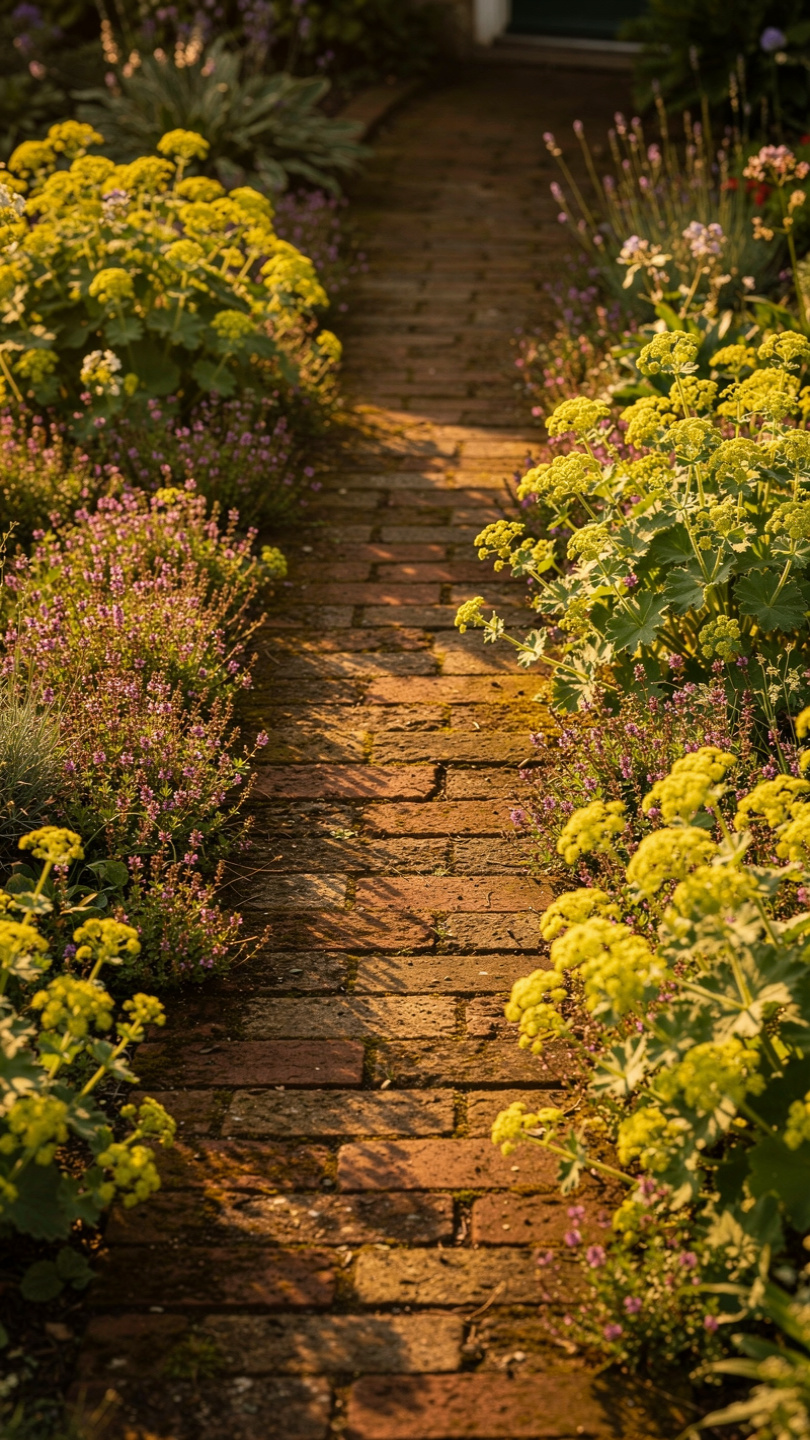
Forget those rigid plastic garden edgers that look like tiny fences. You want your plants to spill over the walkways. Use low-growing spreaders like Alchemilla mollis (Lady’s Mantle) or creeping thyme.
These plants soften the lines of your path and make the garden feel larger. When the edges are blurred, the eye doesn’t stop at a hard boundary. It creates an illusion of endless greenery, even if the neighbor’s fence is five feet away.
7. Choose a Pastel Color Palette
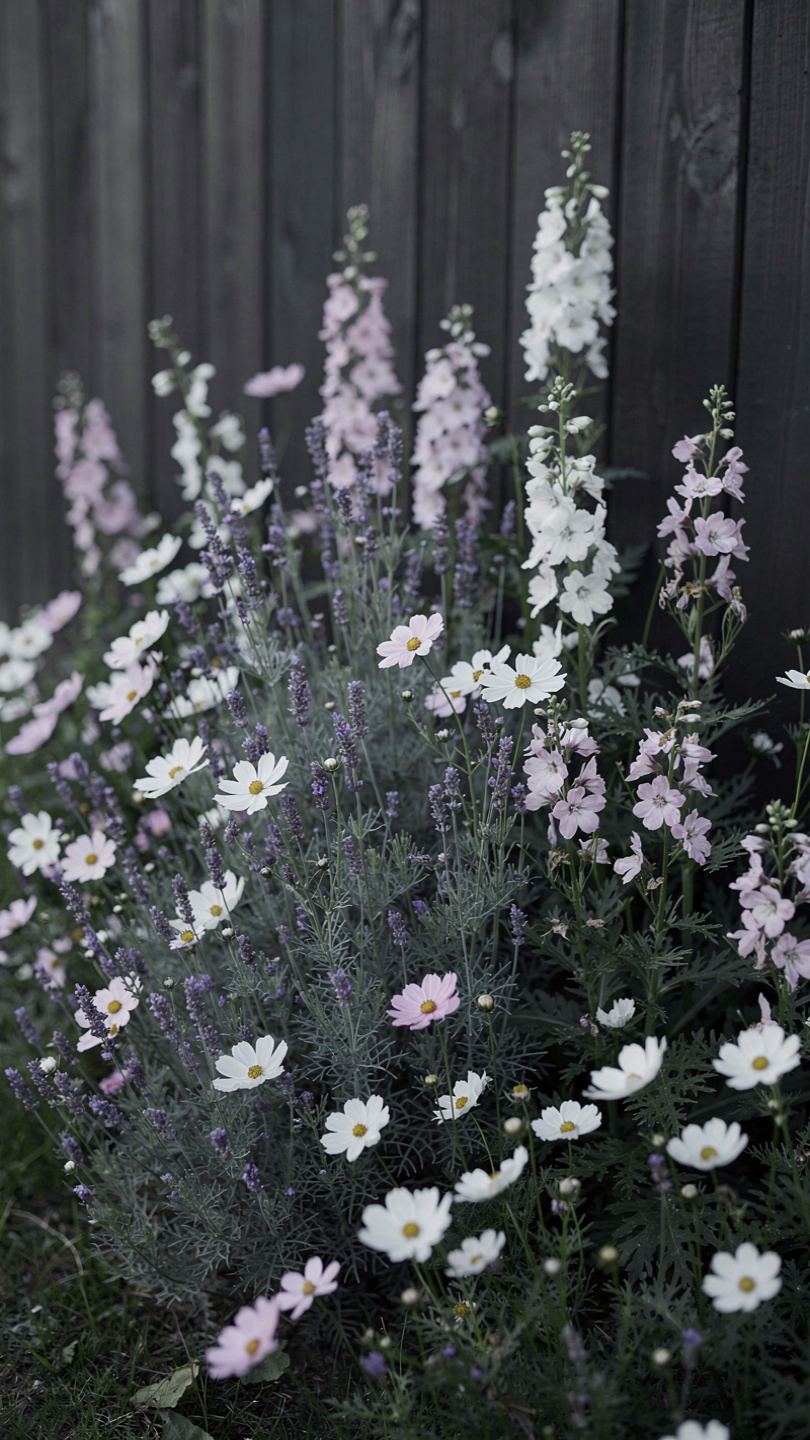
Bright, neon colors can make a small space feel hectic and crowded. Stick to soft pinks, purples, whites, and blues to create a sense of depth. These “receding” colors make the boundaries of your backyard feel further away.
- Lavenders: Provide structure and scent.
- Delphiniums: Add necessary height.
- White Cosmos: Brighten up shady corners.
8. Create Rooms with Tall Plants
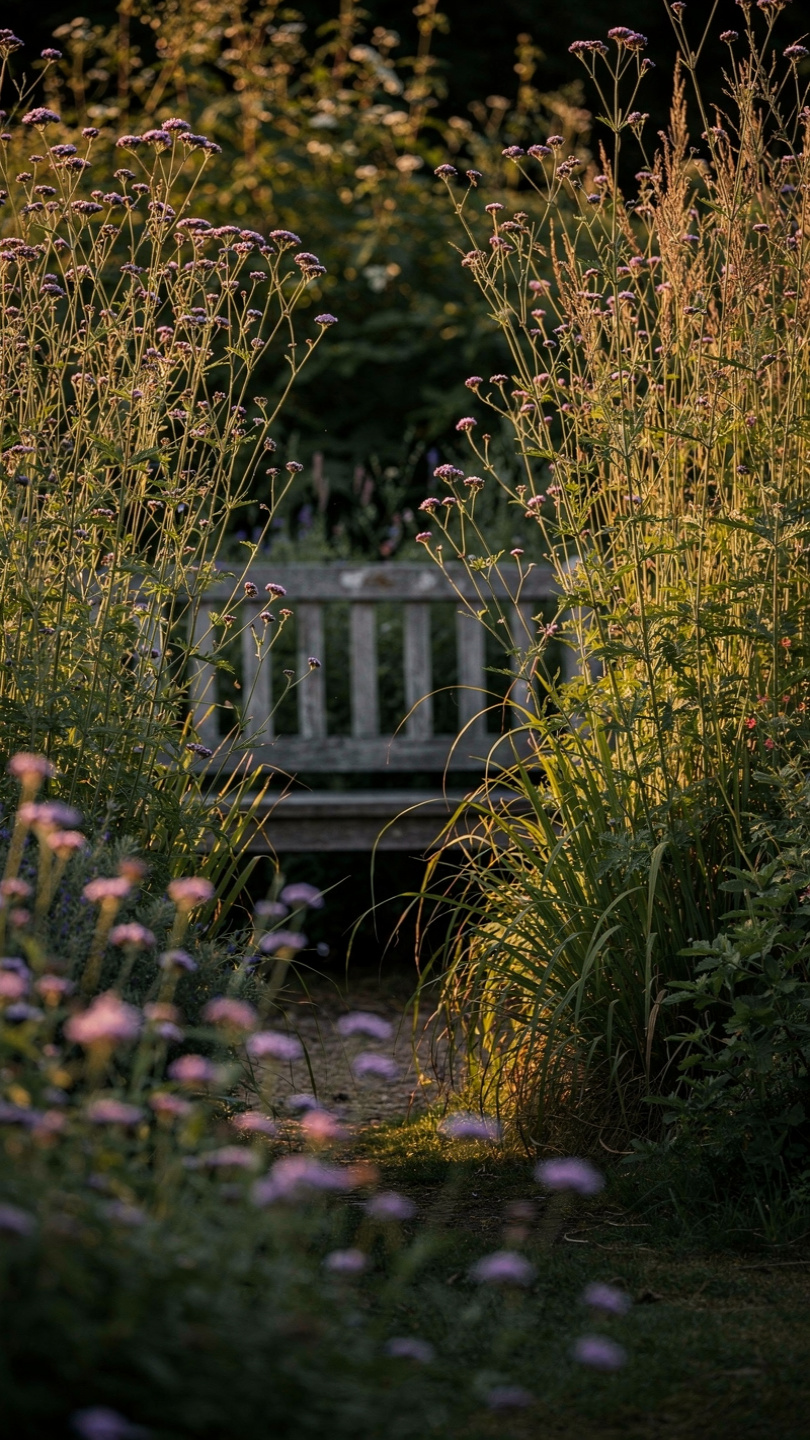
It sounds counterintuitive, but breaking up a small garden makes it feel bigger. If you can see the whole yard in one glance, the mystery is gone. Use tall perennials or airy shrubs to create “peek-a-boo” views.
Ever noticed how a room feels bigger when you can’t see every corner at once? This forces you to walk through the space to see what’s hiding around the bend. Use Verbena bonariensis for a see-through screen that adds height without bulk.
9. Add a Focal Point Water Feature
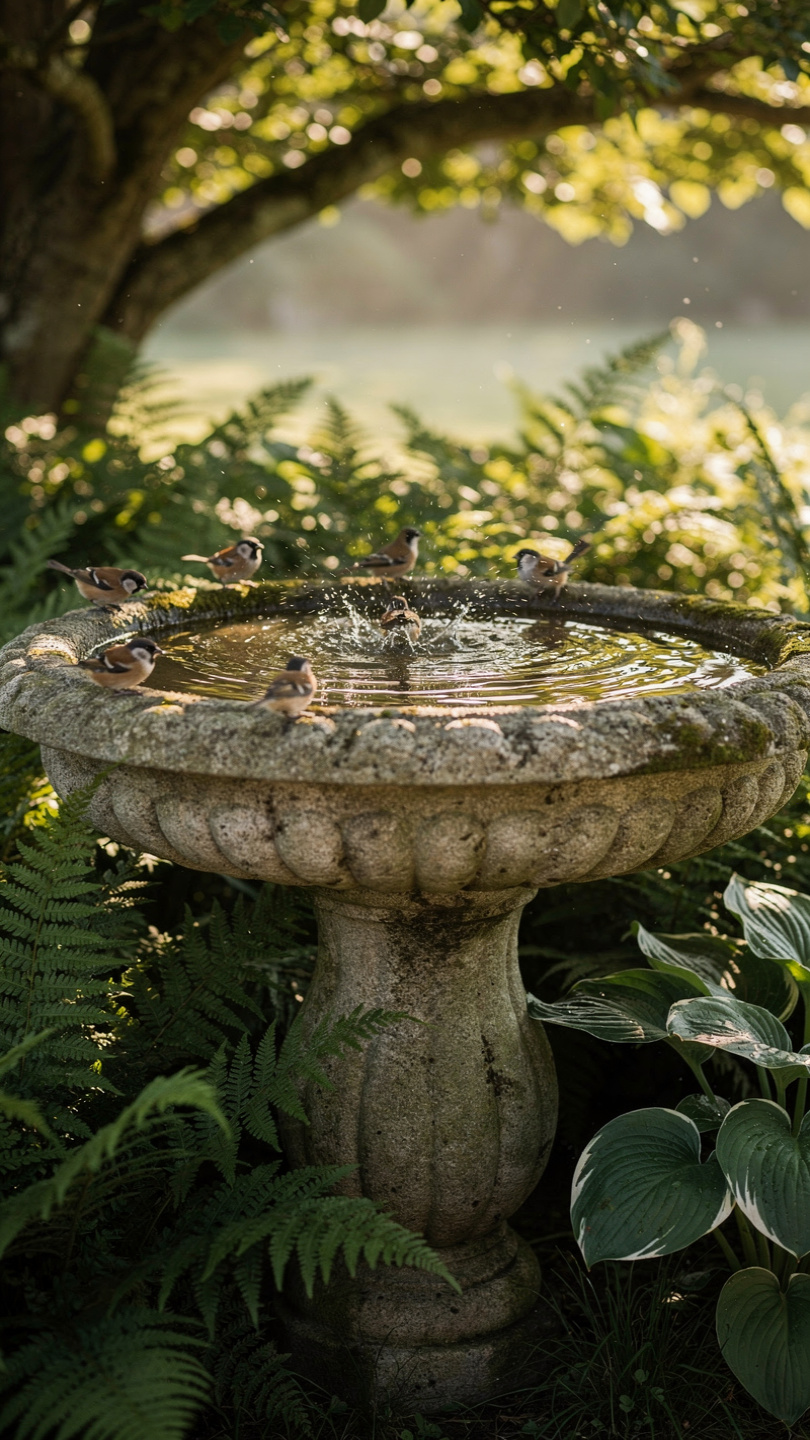
You don’t need a koi pond to get that soothing water sound. A simple stone birdbath or a wall-mounted fountain works wonders in a small backyard. It draws birds to the garden and provides a central point for the eye to rest.
I once tried a massive fountain that took up half my patio; I basically lived in a puddle for a month. Stick to something scaled to your space. A small, bubbling pot tucked among the ferns is usually plenty.
10. Incorporate Reclaimed Materials
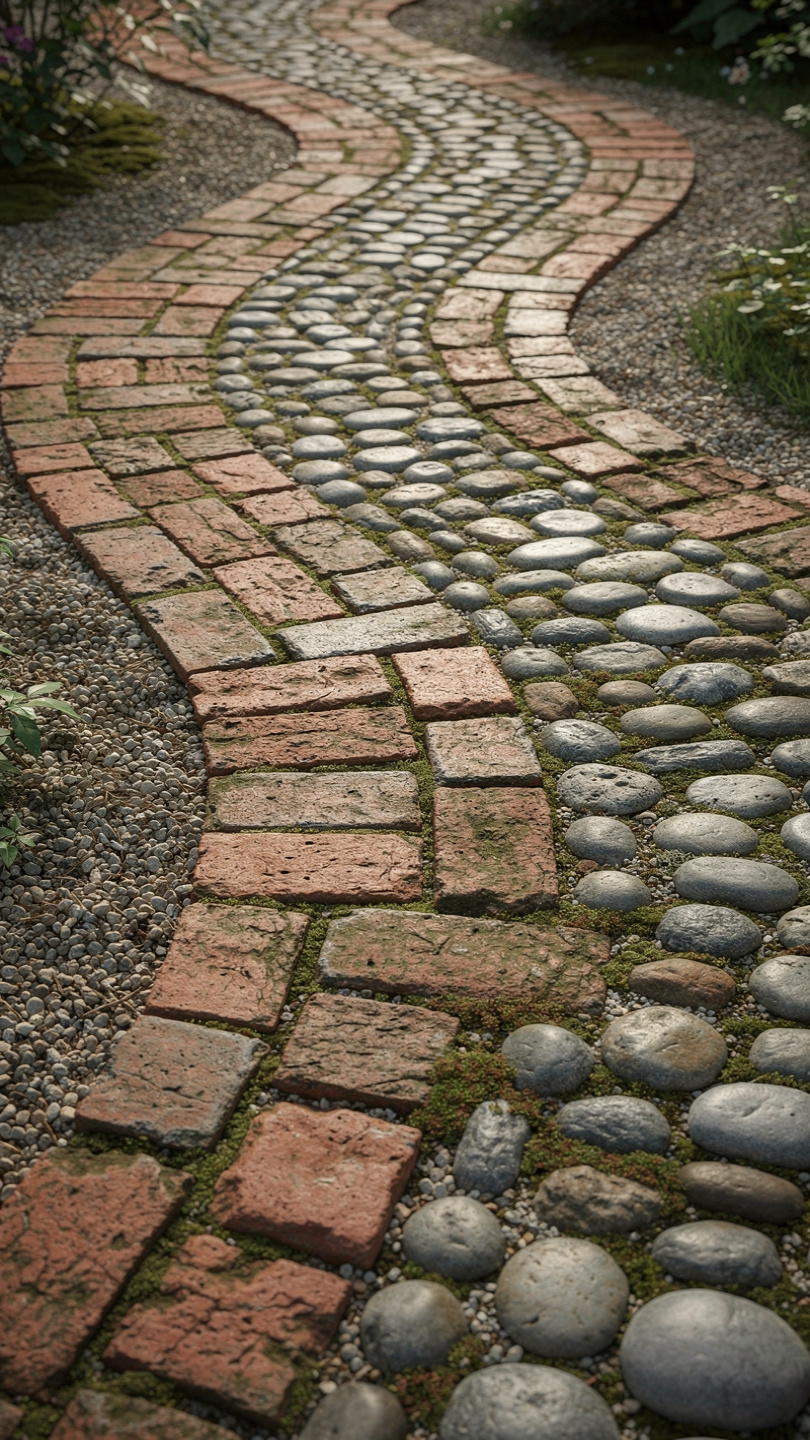
Cottage style thrives on items with a previous life. Use old bricks, cobblestones, or even gravel for your paths. Avoid perfectly smooth, modern pavers that scream “new construction.”
There’s something so satisfying about finding a stack of old bricks on the side of the road and turning them into a path. FYI, those imperfections are exactly what give a cottage garden its soul. Don’t aim for perfection; aim for character.
11. Focus on Fragrance
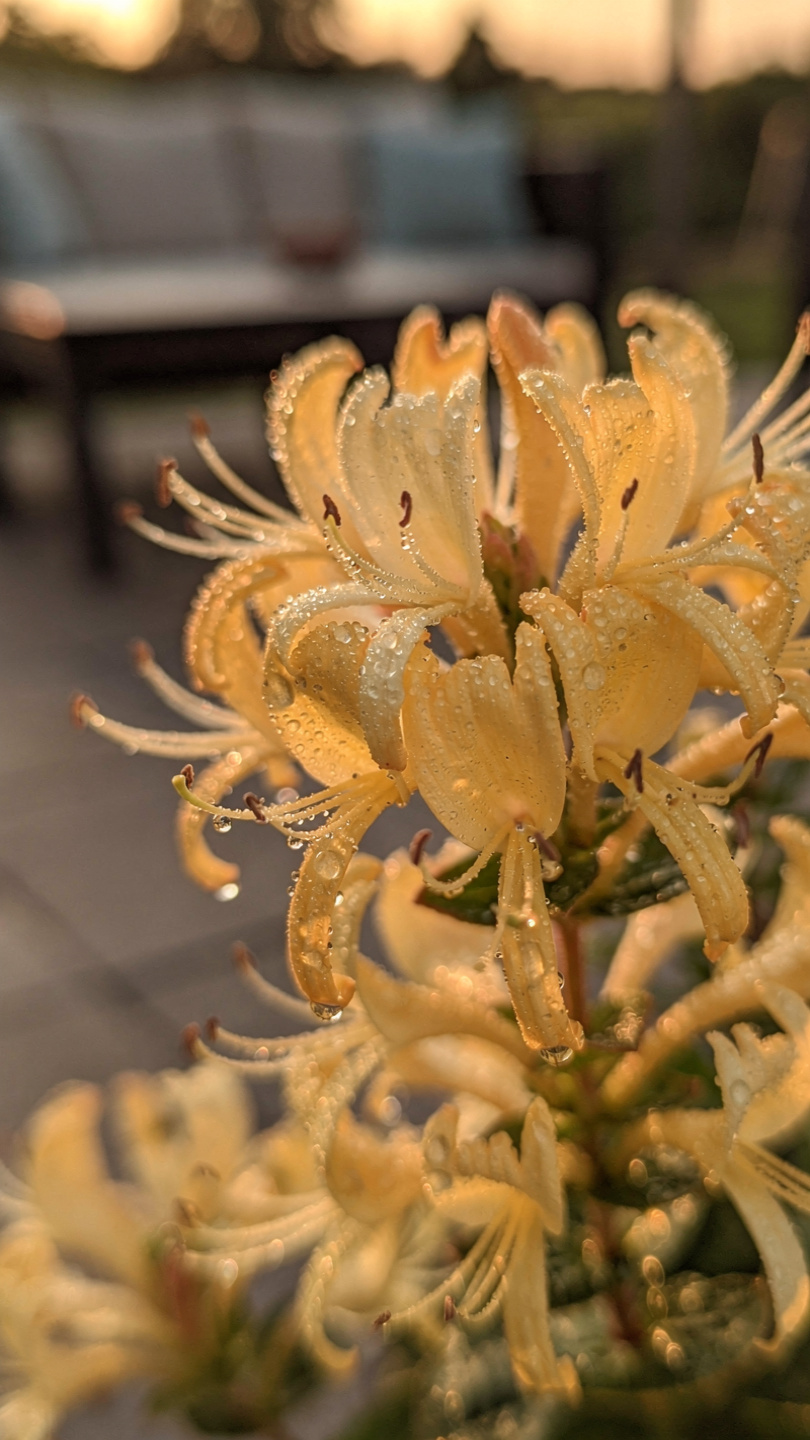
A small backyard traps scents beautifully, so make the most of it. Plant highly scented varieties near your seating area or back door. You want the air to be thick with the smell of jasmine and old roses.
- Honeysuckle: Grows fast and smells like heaven at dusk.
- Sweet Peas: The quintessential cottage annual.
- Scented Geraniums: Great for pots on a bistro table.
12. Use Layers of Height
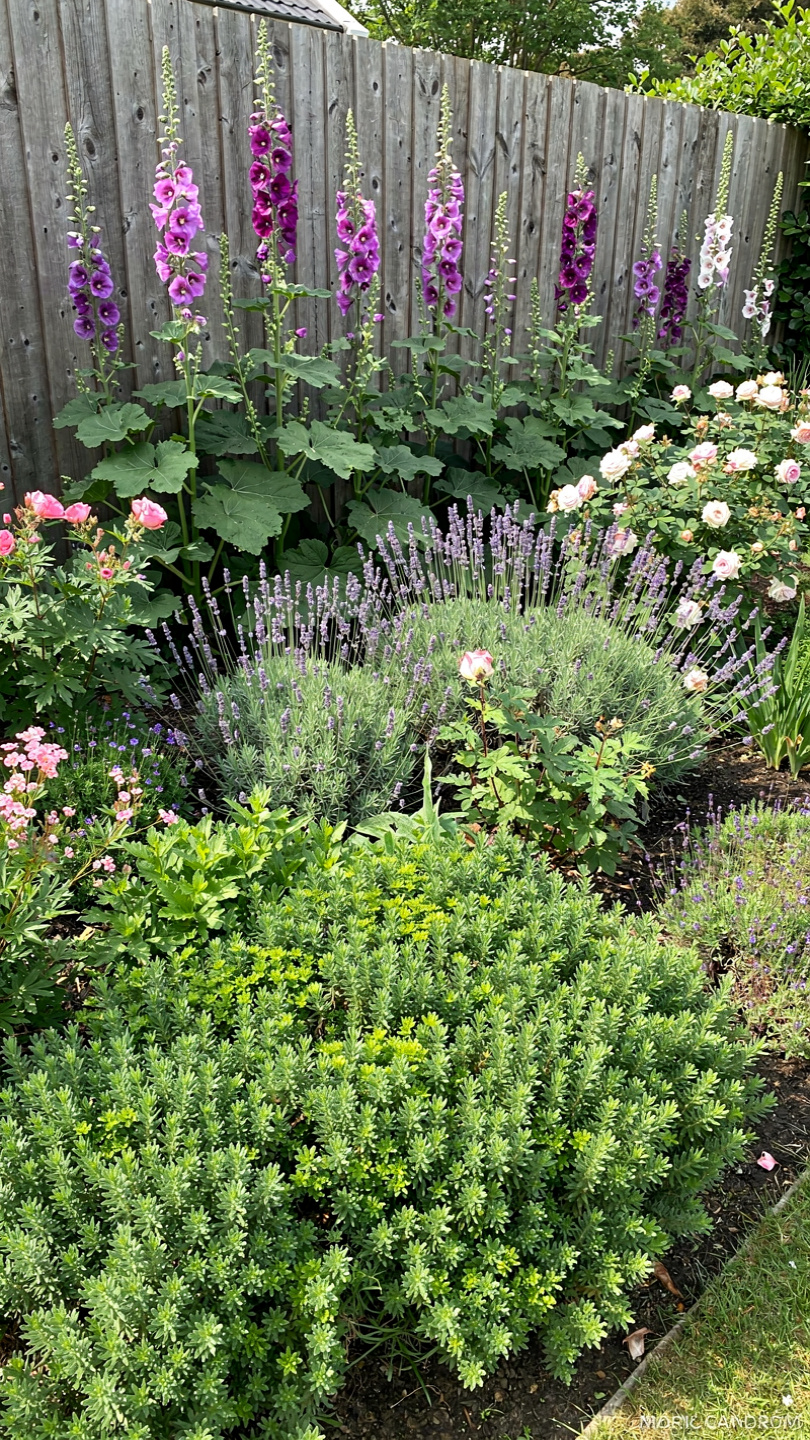
In a tiny space, you have to pack the plants in layers. Use the “stadium seating” method: short plants in front, medium in the middle, and tall at the back. This ensures every plant gets its moment in the sun.
Foxgloves and Hollyhocks are the undisputed kings of the back row. They provide that iconic “spire” look that defines the cottage silhouette. Without these tall accents, your garden might look a bit flat and uninspired.
13. Pick Multi-Tasking Furniture
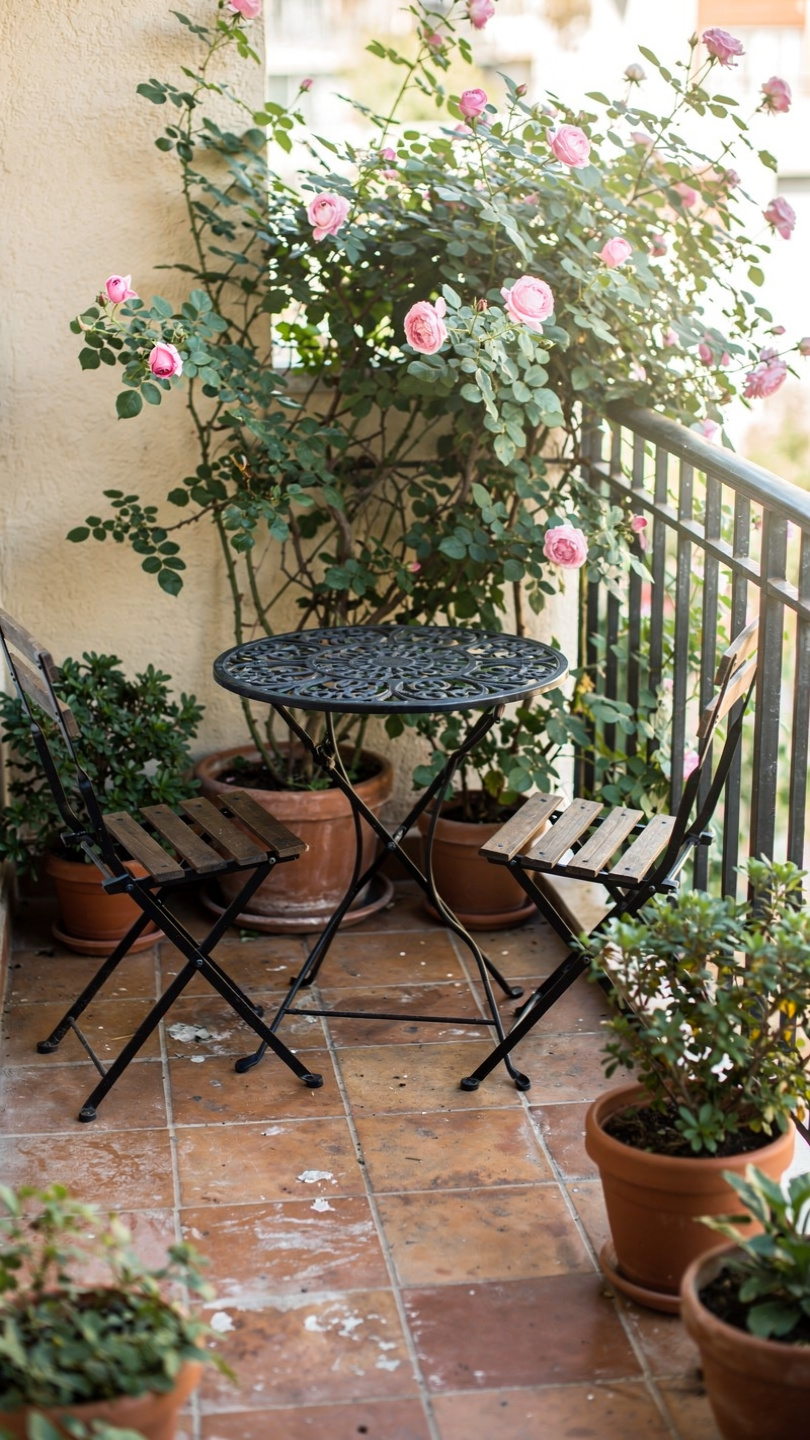
You probably don’t have room for a full dining set and a lounge area. Choose slender bistro sets or folding wooden chairs that you can move easily. Wrought iron furniture fits the cottage vibe perfectly and doesn’t block the view of your plants.
Heavy, chunky plastic furniture will suffocate a small garden. You want pieces that look like they might have been plucked from a Parisian sidewalk. They should complement the flowers, not compete with them for attention.
14. Plant in Large Groups
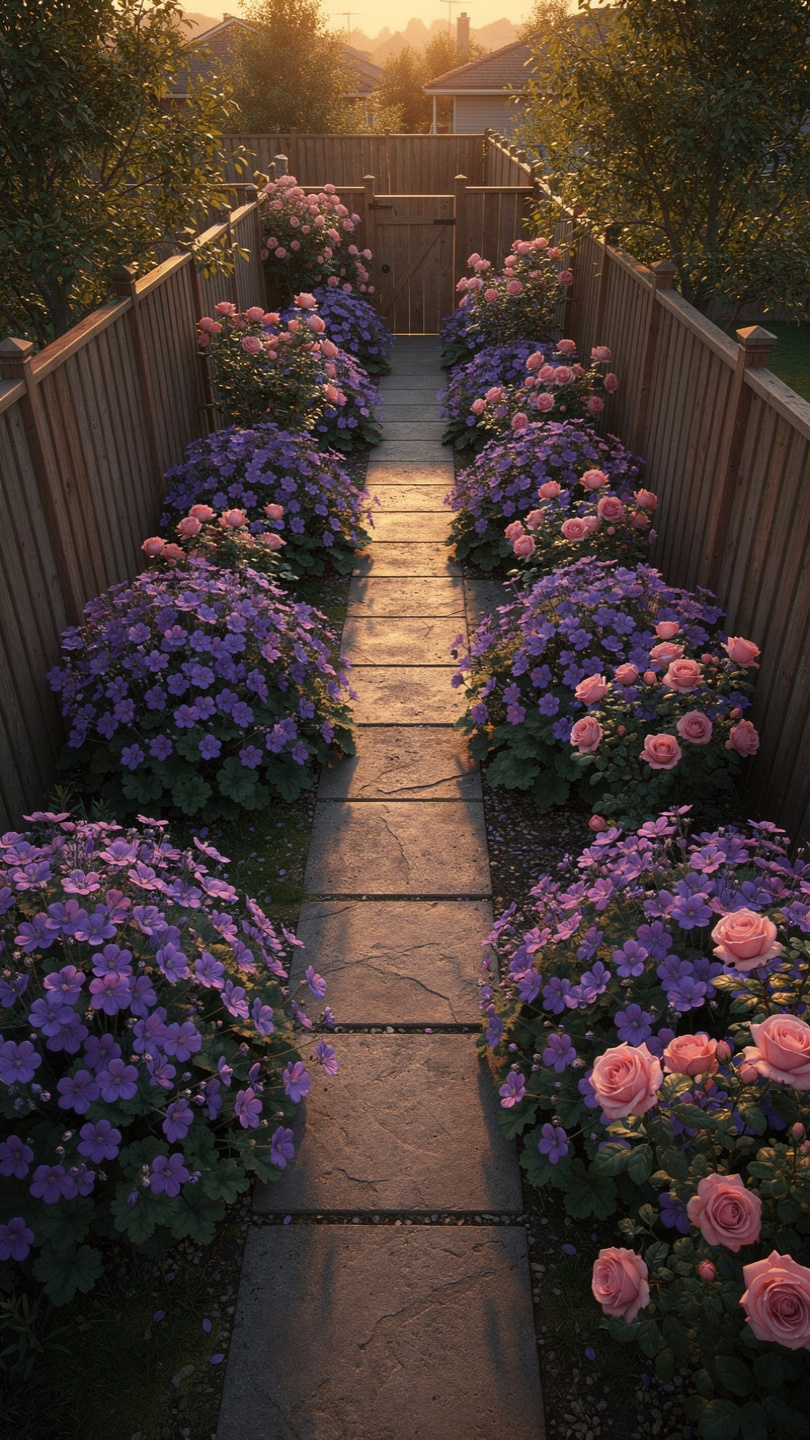
Avoid the “one of everything” syndrome. Buying twenty different plants usually results in a messy, cluttered look. Instead, plant in drifts of three or five to create impactful splashes of color.
This technique guides the eye through the space and creates a sense of rhythm. I know it’s hard to resist that one weird plant at the nursery, but stay strong. Consistency makes a small garden look professionally designed rather than accidentally assembled.
15. Don’t Ignore the Winter View
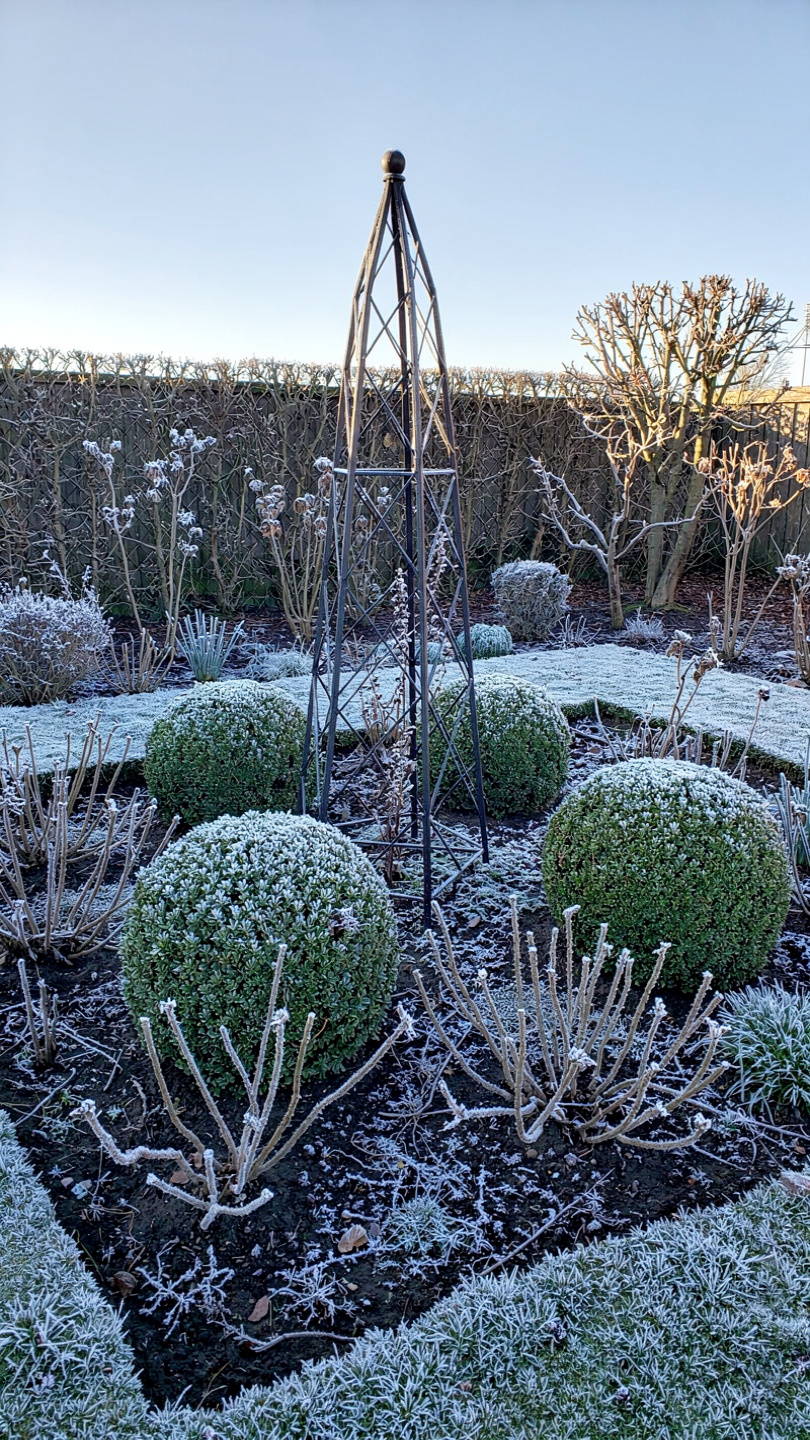
Cottage gardens can look a bit “sticks and mud” in the winter if you aren’t careful. Incorporate evergreen shrubs and structural elements like boxwood balls or obelisks. These provide “winter bones” when the perennials die back.
Have you ever looked at your garden in January and sighed in despair? I have. Adding a few evergreen heathers or a well-placed yew hedge prevents that “desolate wasteland” feeling during the off-season.
16. Use Mirrors to Trick the Eye
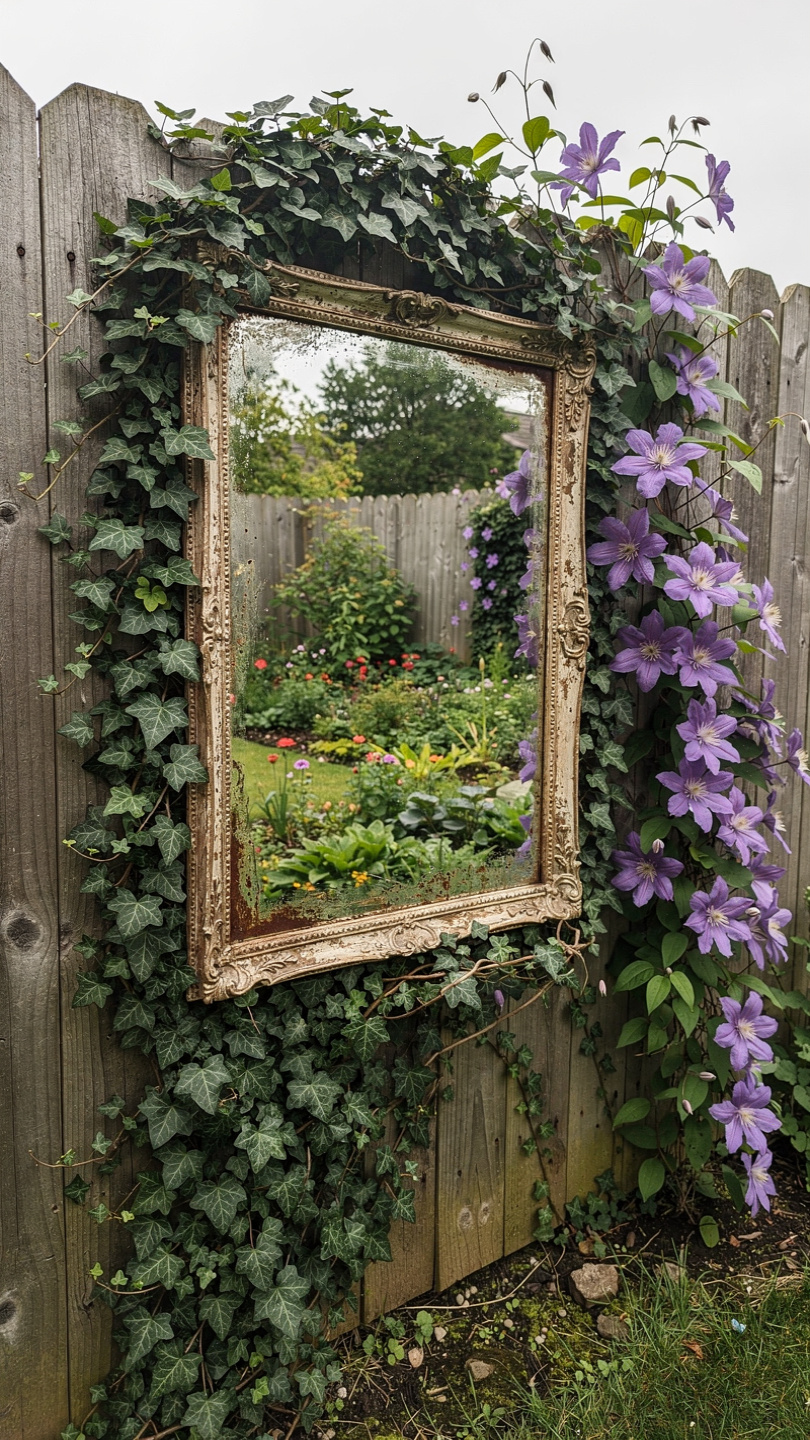
This is an old decorator’s trick that works wonders outdoors. Hang a weatherproof mirror on a fence and surround it with climbing vines. It reflects light into dark corners and makes the garden look twice as long.
Just make sure you don’t place it where birds might fly into it. Angle it slightly downward or use an aged, foxed mirror for a more subtle effect. It’s a bit sneaky, but hey, we’re trying to create a dreamland here.
17. Maximize Potted Plants
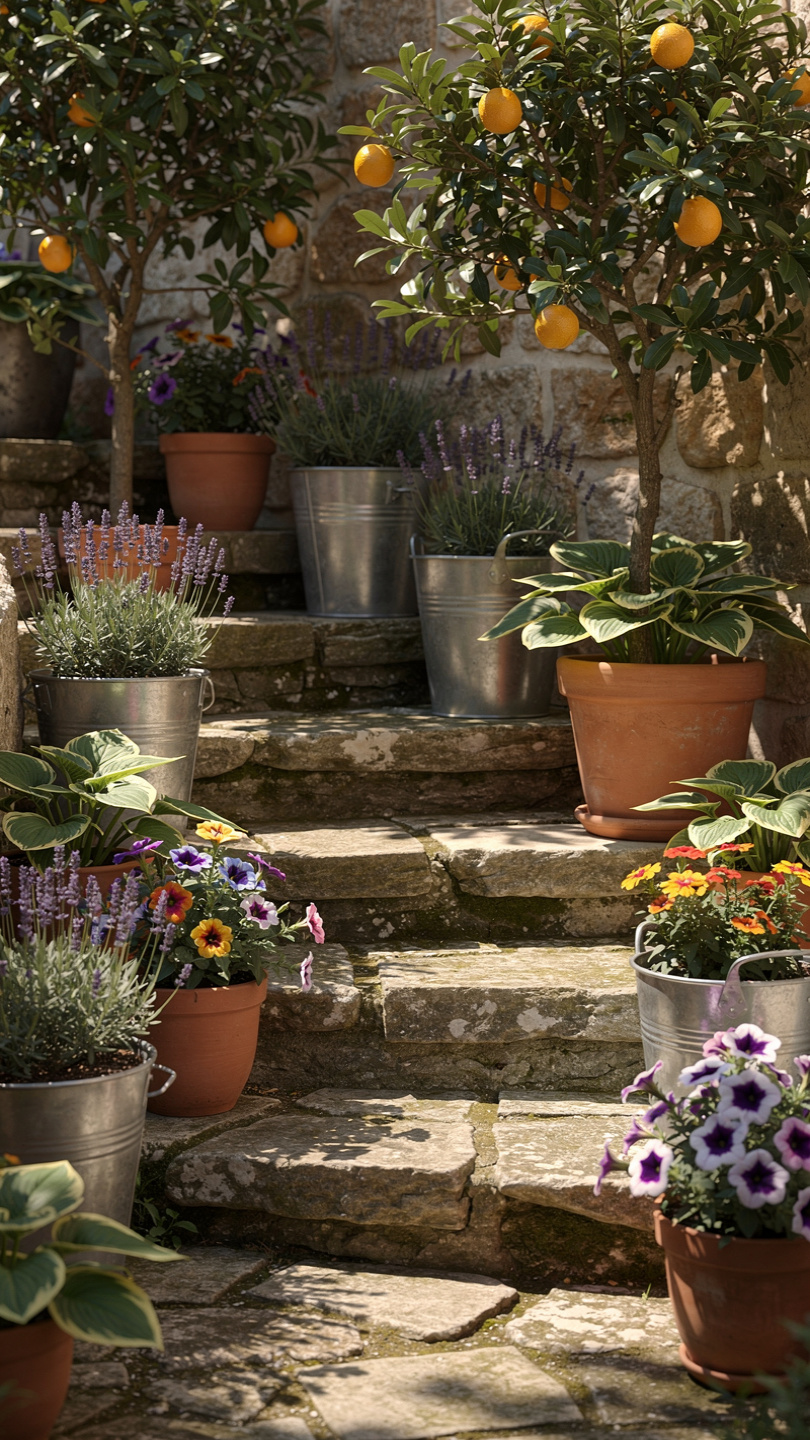
If your soil is terrible or you have a tiny patio, go heavy on the containers. Use terracotta or galvanized metal pots of various sizes. Grouping them together creates a lush, layered look on hard surfaces.
Pots allow you to grow things that might not like your garden soil, like blueberries or specific lilies. They also let you swap out plants as the seasons change. It’s like having a revolving gallery of floral art 🙂
18. Keep Maintenance Realistic
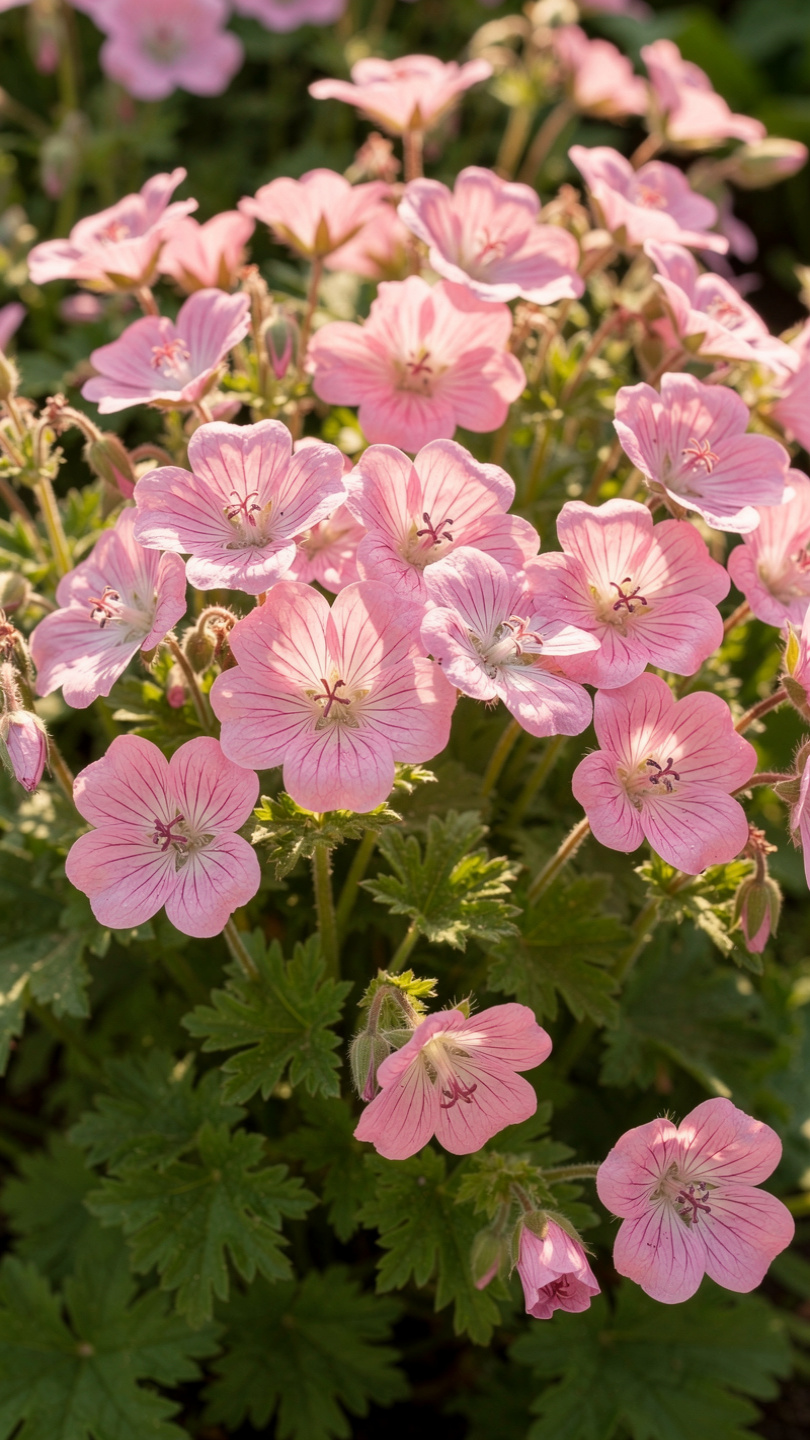
A cottage garden looks wild, but it still needs a little love. Choose disease-resistant varieties and hardy perennials that don’t need constant pampering. You want to spend your time enjoying the garden, not fighting mildew.
Let’s be real: nobody actually wants to spend six hours a day deadheading flowers. Choose “set it and forget it” plants like Hardy Geraniums (Cranesbill). They bloom for months and require almost zero effort on your part.
19. Add Whimsical Details
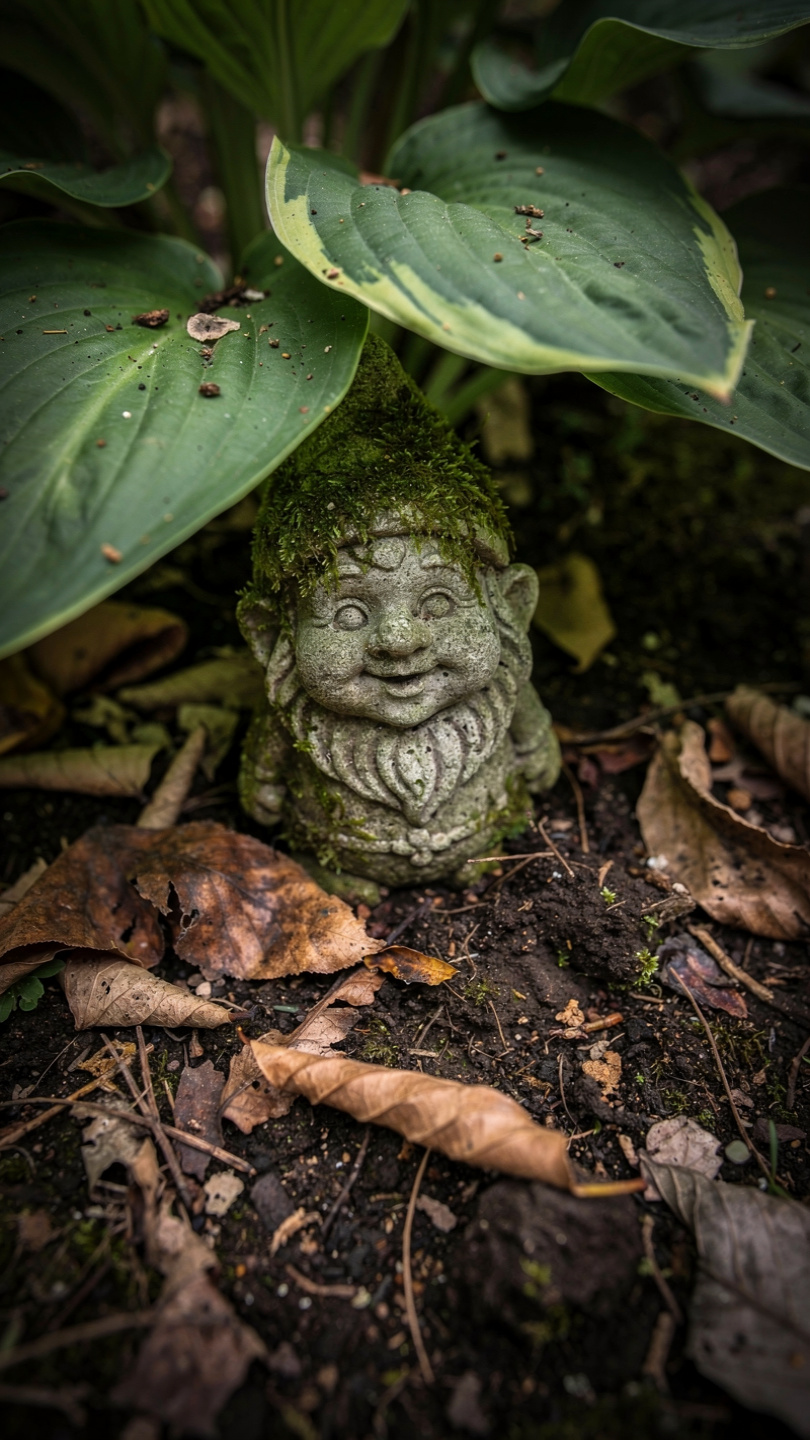
A true cottage garden needs a bit of personality. Tuck a small stone gnome, an old watering can, or a decorative birdhouse into the foliage. These little “discoveries” make the garden feel personal and enchanted.
Avoid the cheap, neon-colored plastic decor, though. Stick to materials that age gracefully, like stone, wood, or copper. These items should look like they’ve been forgotten in the garden for a few years.
20. Light it Up for the Evening
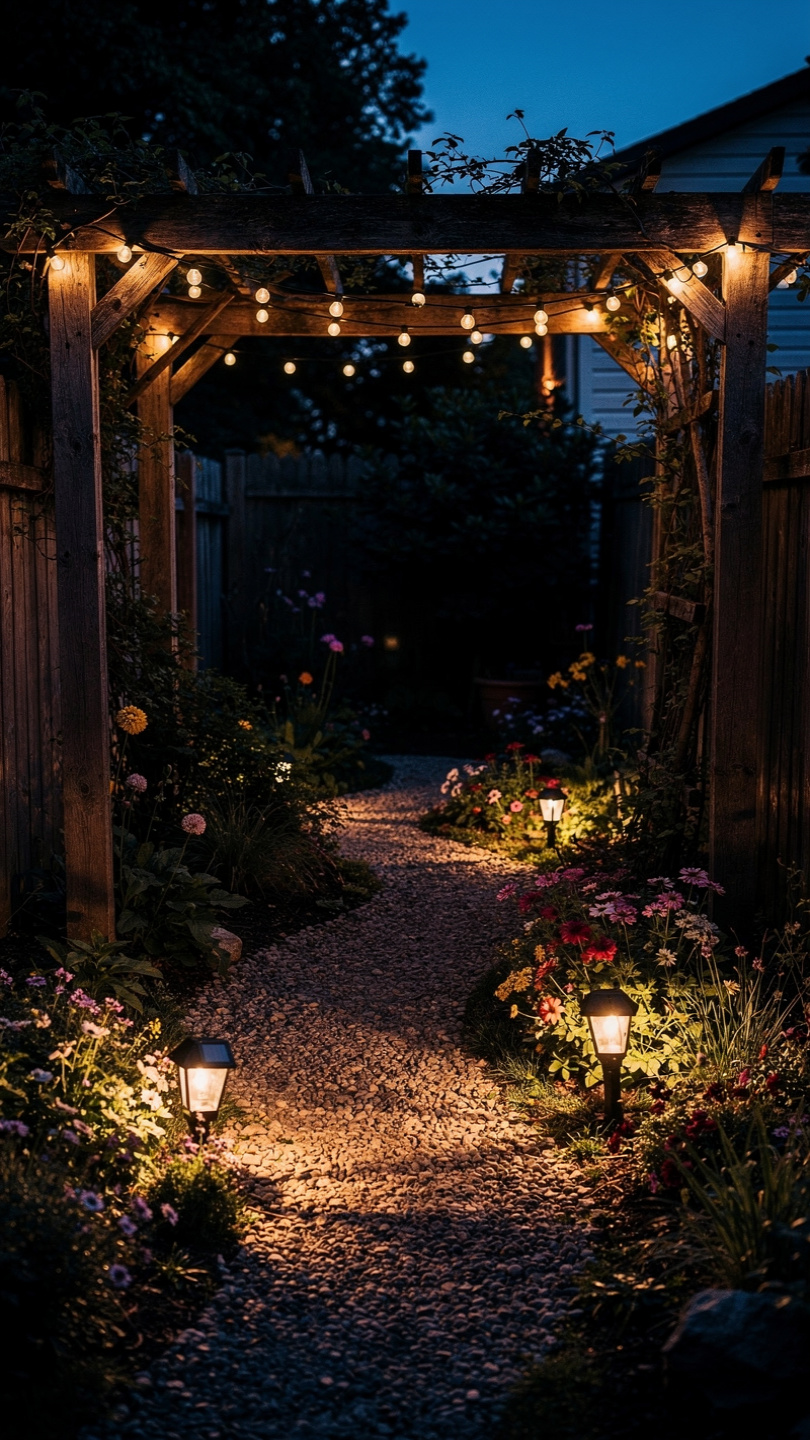
Your garden shouldn’t disappear when the sun goes down. String up some warm white fairy lights or place solar lanterns along the paths. Soft lighting emphasizes the textures of the leaves and keeps the magic alive at night.
Nothing beats sitting outside with a glass of wine under a canopy of twinkling lights. It turns your small backyard into a 24-hour retreat. Why limit your enjoyment to daylight hours when the evening vibe is this good?
Summary of Your Cottage Garden Transformation
Creating a dreamy backyard doesn’t require a massive budget or a degree in horticulture. By focusing on vertical growth, soft colors, and reclaimed materials, you can turn even the smallest patch of ground into a sanctuary.
Key Takeaways for Small Spaces:
- Prioritize height with climbers and spires to save ground space.
- Use a unified color palette to make the area feel larger.
- Incorporate “bones” like paths and evergreens for year-round interest.
- Focus on fragrance to create an immersive experience.
I’ve made every mistake in the book—from planting giant trees in tiny corners to choosing colors that clashed like a bad outfit. But that’s the beauty of gardening. You can always dig it up and try again next year.
Ready to start digging? Grab a shovel and a pair of gloves, because that “dreamy” garden isn’t going to plant itself! (And if it does, please call me and tell me your secret.)
How are you planning to tackle your small backyard this season?