

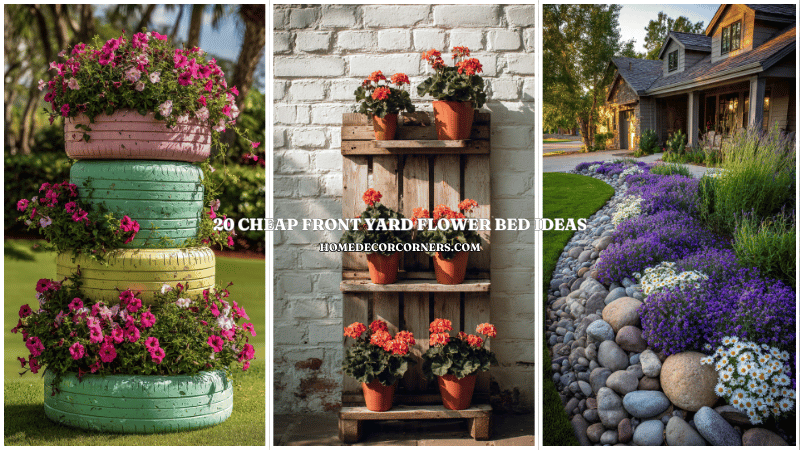
Transforming your home’s curb appeal doesn’t require a professional landscaper or a massive budget. With a bit of creativity and some affordable materials, you can create a stunning entrance that welcomes guests and increases your property value. These budget-friendly flower bed ideas focus on recycled materials, hardy perennials, and clever layouts to ensure maximum impact for minimal spending.
Whether you prefer a rustic cottage look or a clean modern aesthetic, these concepts are designed to be DIY friendly and sustainable. By choosing the right plants and DIY edging, you can maintain a beautiful front yard throughout the seasons. Explore these twenty innovative ideas to find the perfect match for your home’s unique character and your personal gardening style today.
1. Recycled Tire Planters
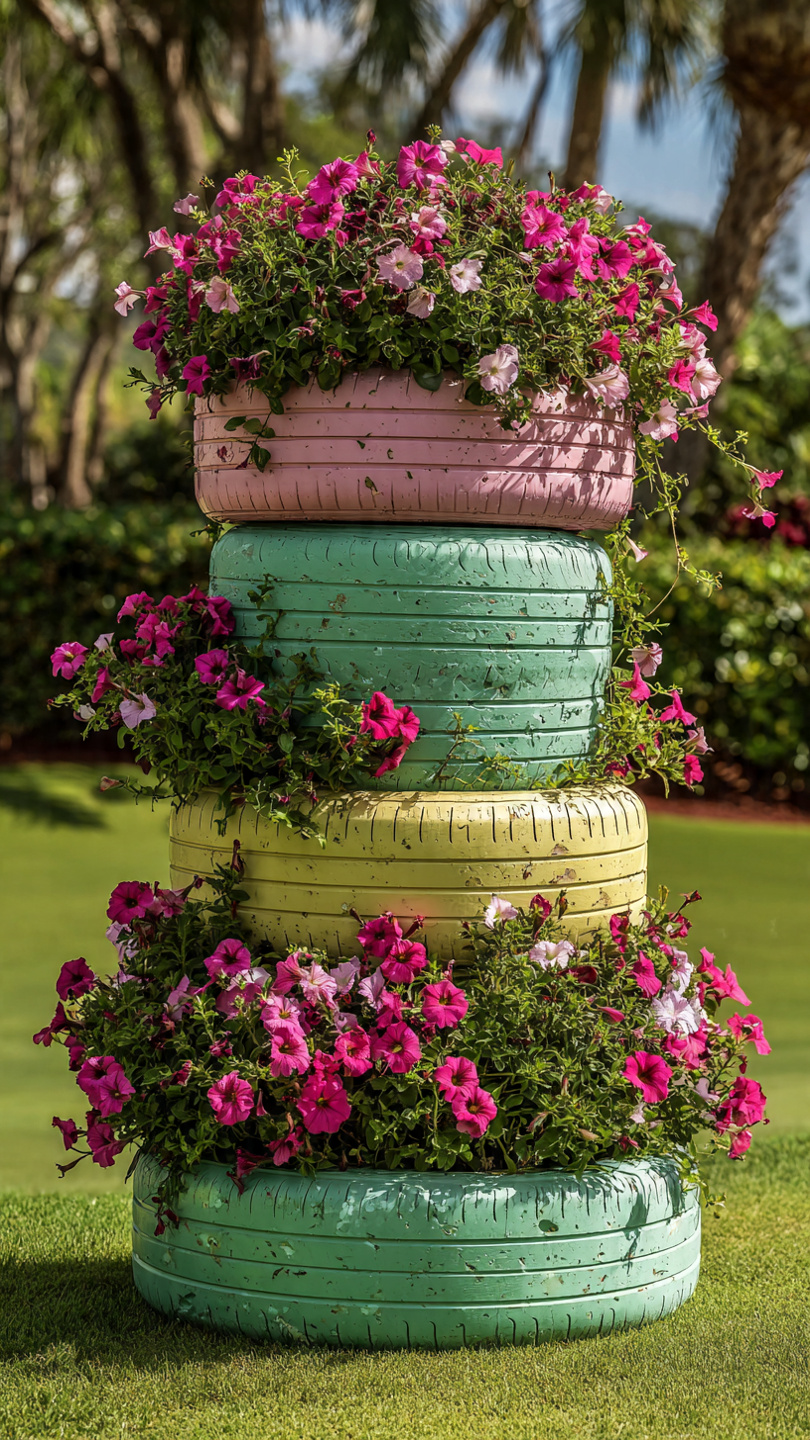
Repurposing old tires is an eco-friendly way to add height and vibrant color to your front yard without spending a fortune. Simply scrub the tires clean, apply a few coats of durable outdoor spray paint, and stack them in staggered formations. This method creates instant focal points that are perfect for housing cascading petunias or bright marigolds.
Fill the center with high-quality potting soil to ensure your flowers thrive in their new rubber home throughout the summer. You can find used tires for free at many local auto shops, making this one of the most cost-effective projects available. Arrange them near your driveway or front porch to create a playful, modern look that truly stands out.
2. Natural Stone Edging
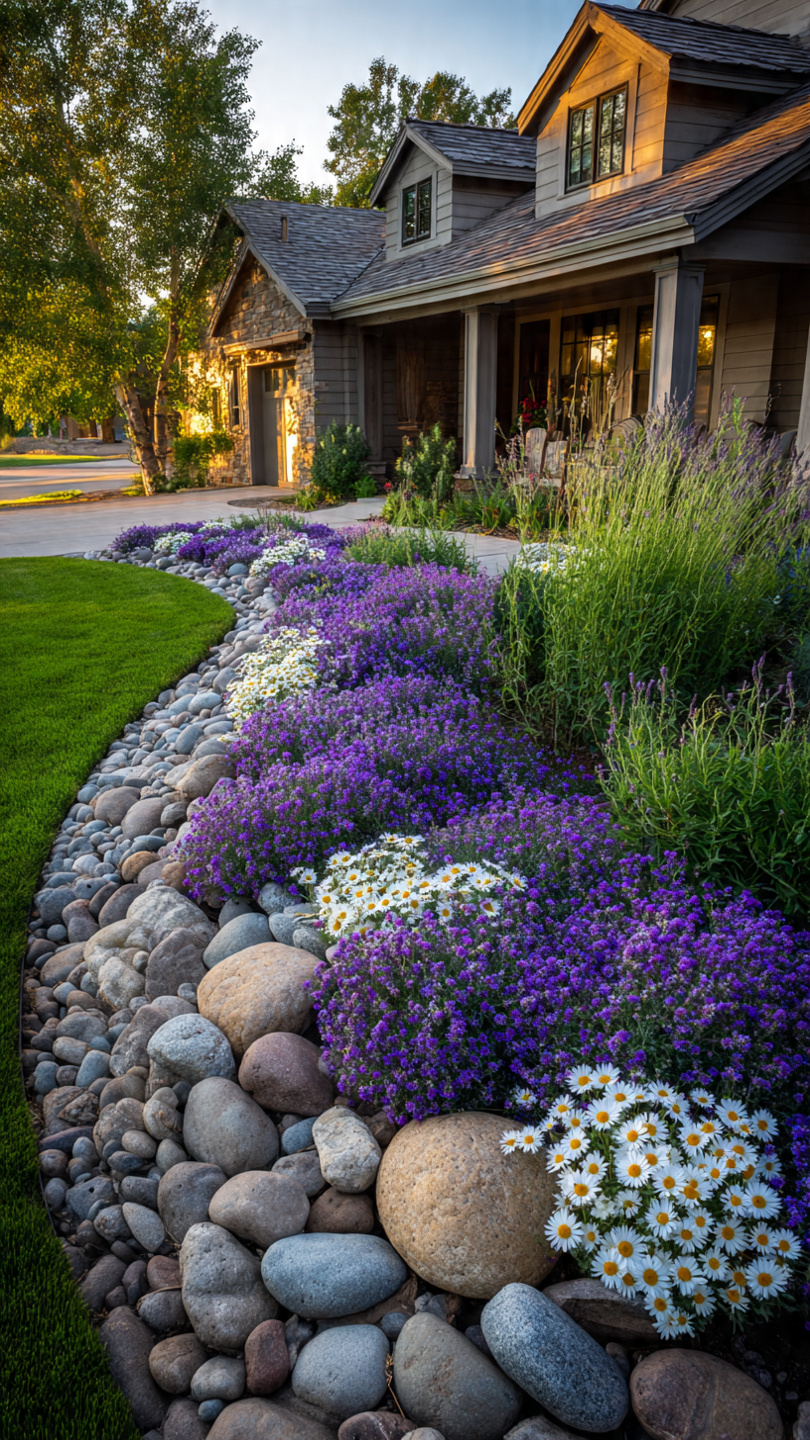
Using stones gathered from your own property or local creek beds provides a timeless and sophisticated border for any flower bed. Simple dry-stacking techniques allow you to create curved lines that soften the transition between your lawn and garden. This organic approach costs nothing but your time and effort to collect and arrange the heavy rocks.
To keep the look tidy, dig a shallow trench before placing your stones to prevent them from shifting over time. Plant low-growing groundcovers like creeping thyme or sedum between the crevices for a weathered, established appearance. This durable solution keeps mulch contained while providing a beautiful, natural frame for your favorite seasonal blooms and hardy evergreen shrubs.
3. Upcycled Wooden Pallets
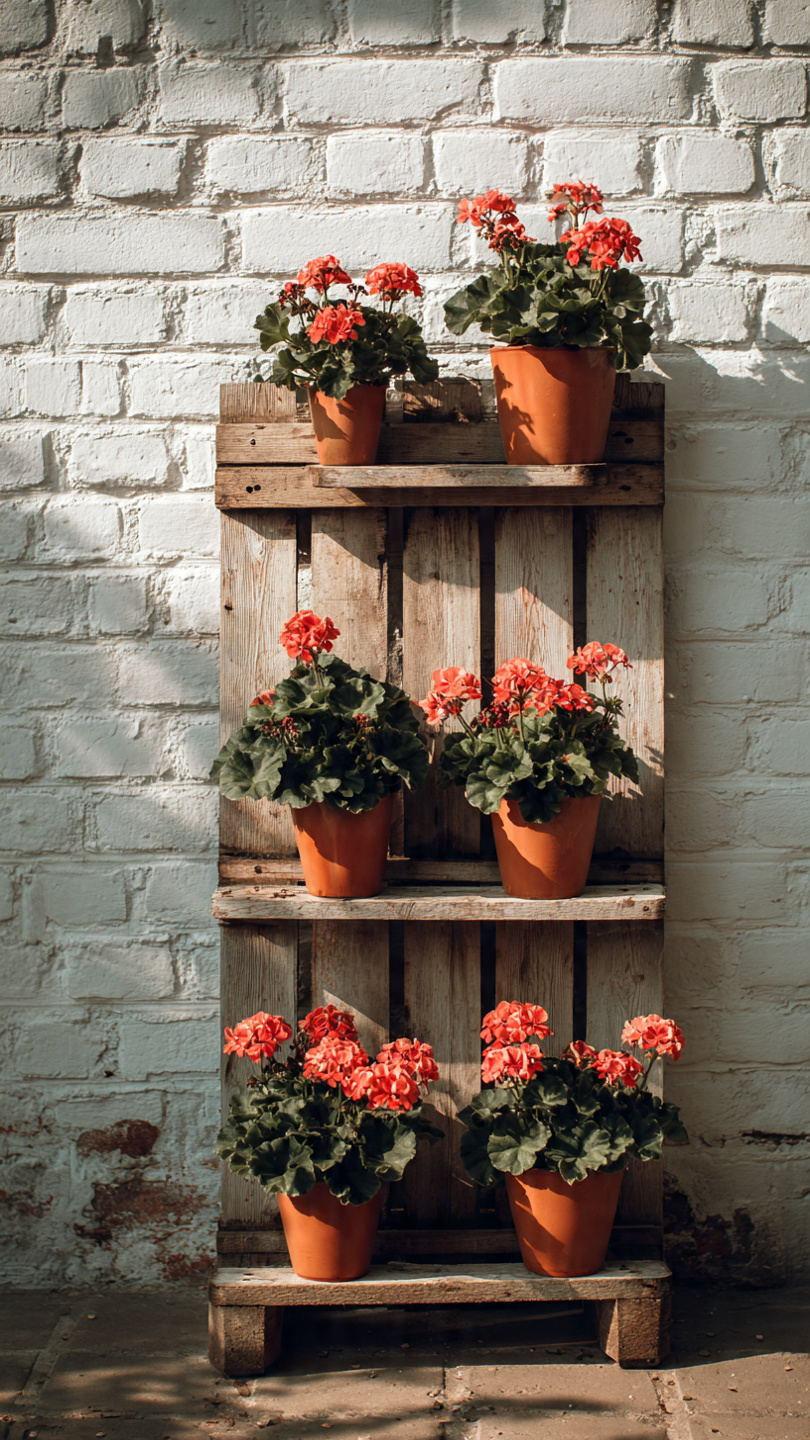
Wooden pallets are a staple for budget decorators because they offer incredible versatility for vertical gardening in tight front yard spaces. Lean a pallet against an exterior wall or fence and secure small terra cotta pots to the slats using sturdy metal hose clamps. This setup allows you to grow a variety of colorful annuals vertically.
Sand the wood down and apply a clear sealant to protect it from the elements while maintaining a rustic, farmhouse charm. This vertical arrangement is ideal for adding greenery to small entryways where ground space is limited. It creates a lush, living wall effect that immediately draws the eye upward and makes your front porch feel much larger.
4. Terracotta Pot Cluster
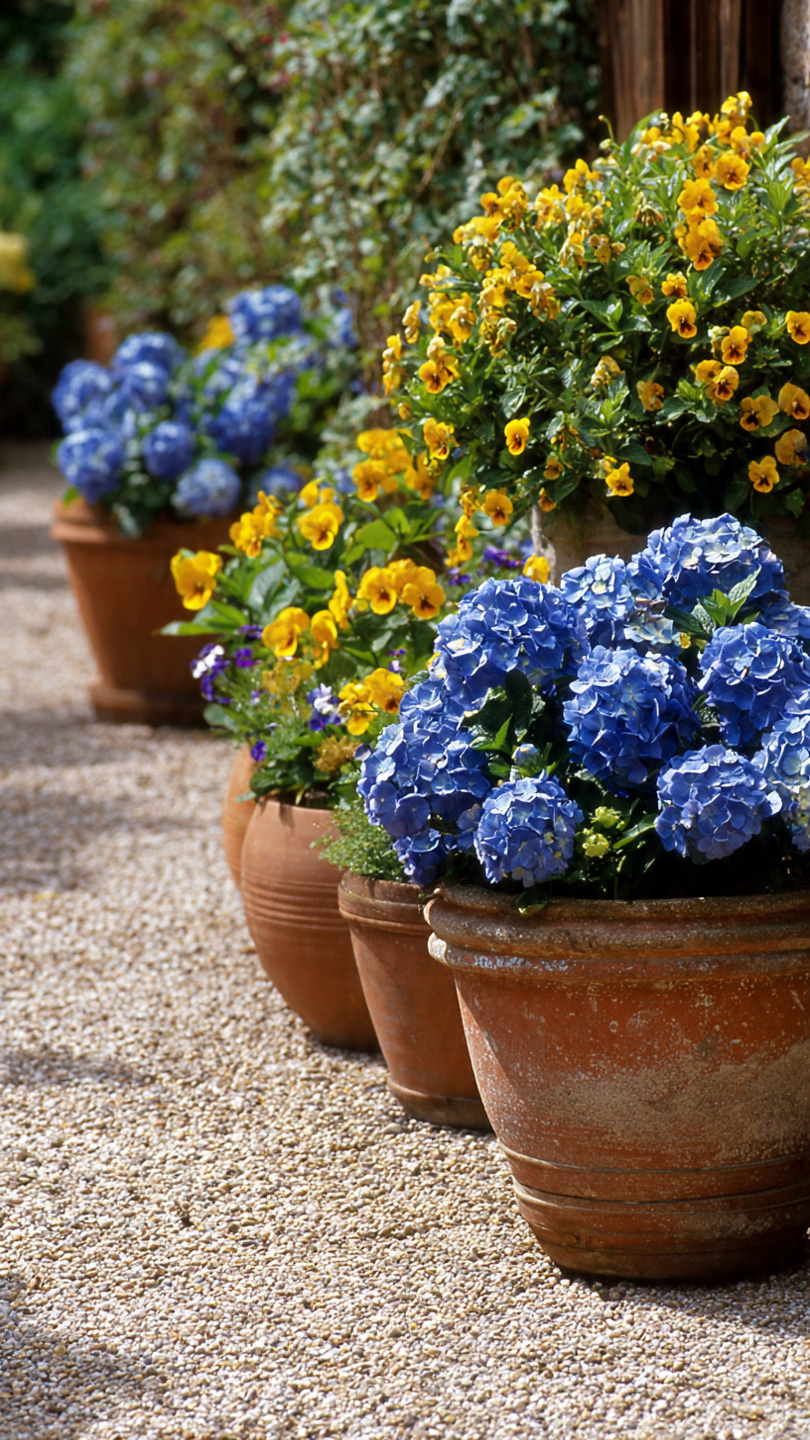
Creating a tiered display with various sizes of terracotta pots is a brilliant way to add depth to a flat yard. Grouping different heights together allows you to showcase a diverse range of textures and colors in a concentrated area. This method is particularly useful for renters who want a beautiful garden they can take with them.
Inexpensive terracotta is widely available and develops a lovely patina over time, adding character to your garden’s overall design. Position the largest pots at the back and smaller ones in front to create a visual staircase of blossoms. Use a mix of upright flowers and trailing ivy to fill the gaps and create a lush, cohesive look.
5. Cinder Block Garden Wall
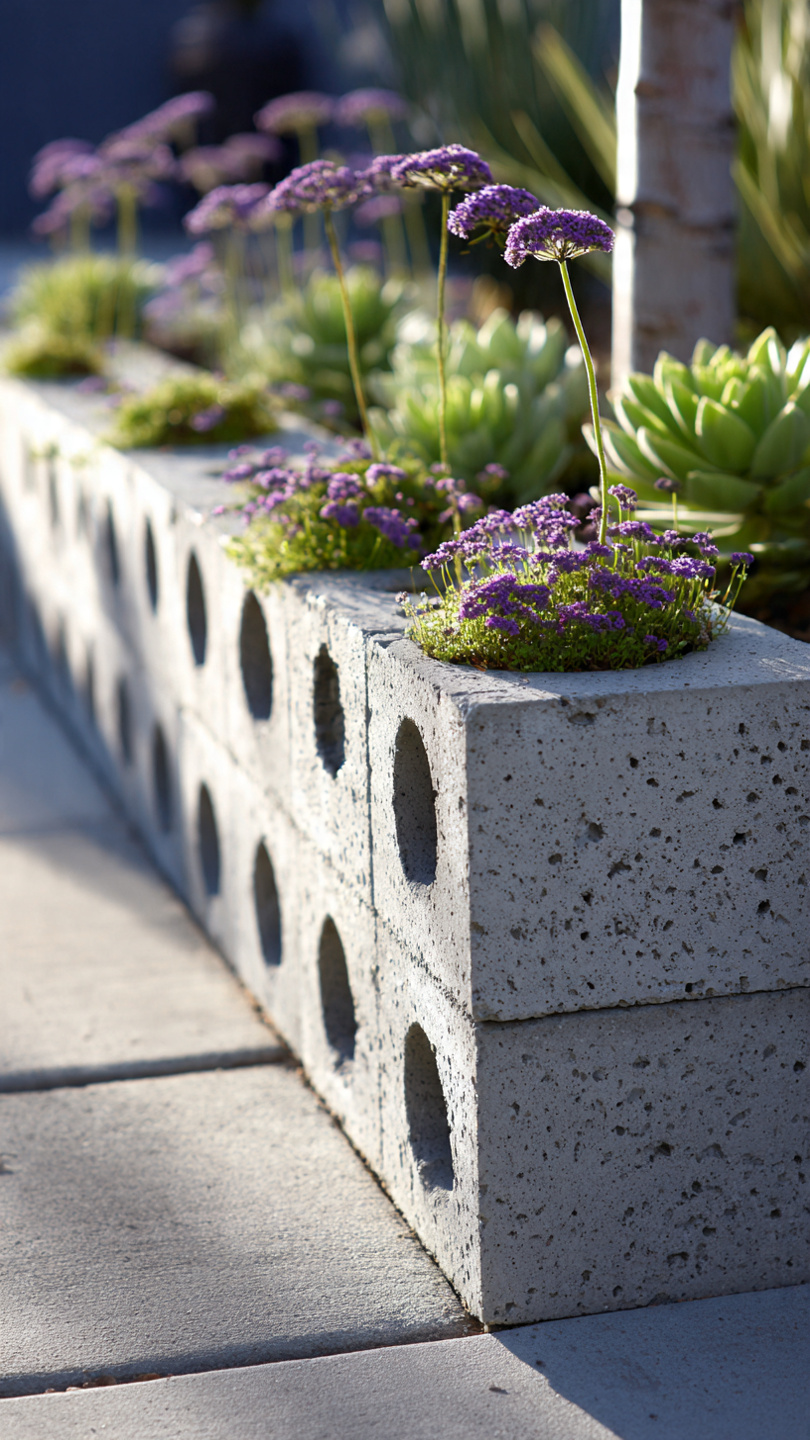
Cinder blocks are incredibly affordable and can be arranged into a geometric, modern flower bed that doubles as a sturdy retaining wall. You can paint the blocks to match your home’s trim or leave them raw for an industrial, minimalist vibe. The hollow centers of the blocks provide perfect individual planting pockets for succulents or small flowers.
Stack the blocks in a staggered pattern to create a multi-level planter that adds architectural interest to a plain front yard. This DIY project is extremely durable and requires very little maintenance once the blocks are properly leveled and filled. It is an excellent choice for homeowners looking for a clean-lined, contemporary garden solution on a budget.
6. Log and Branch Borders
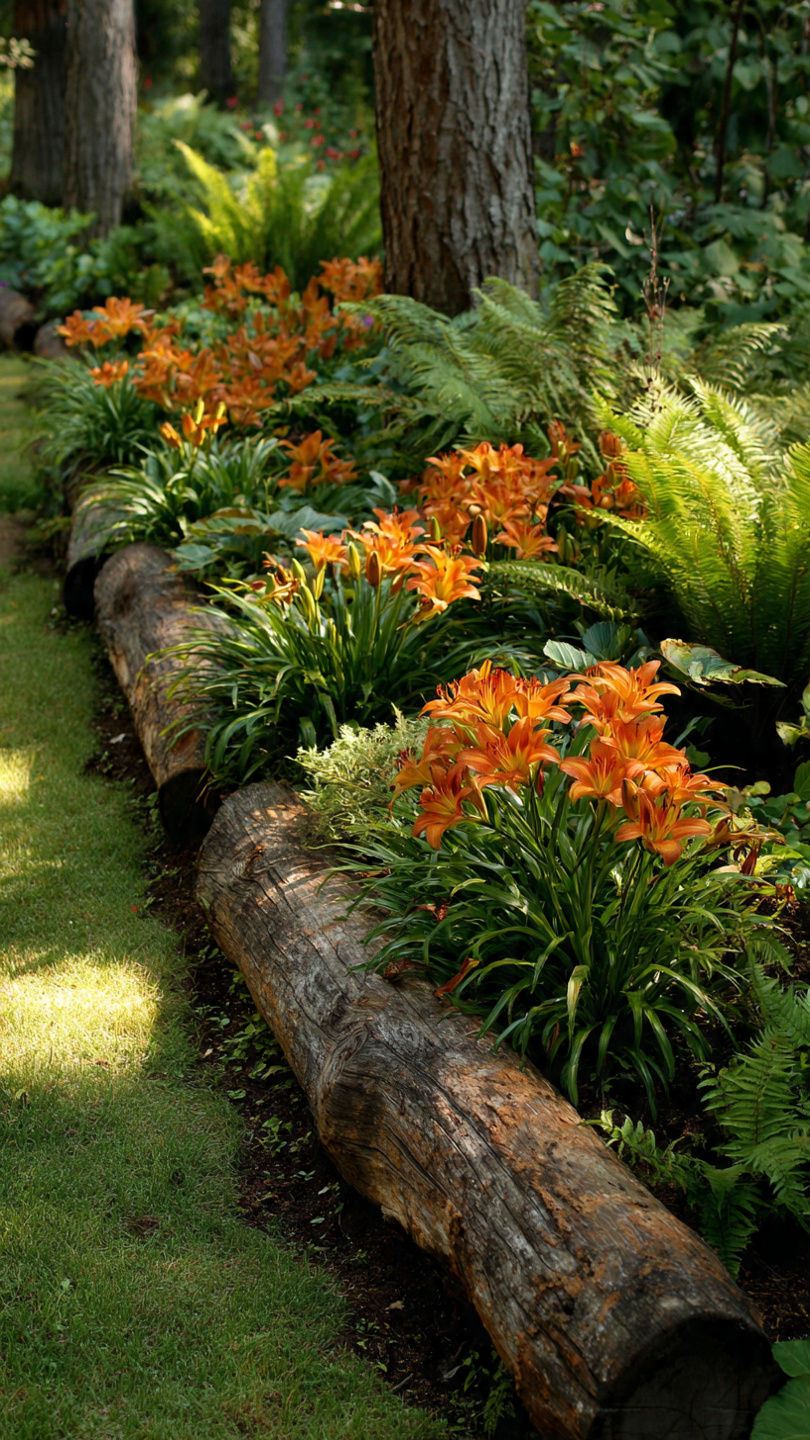
If you have recently trimmed trees or found fallen limbs, use them to create a charming, woodland-style border for your beds. Thick logs can be laid end-to-end to define the shape of your garden while providing a rustic, cabin-like feel. This natural material decomposes slowly, enriching the soil while acting as a barrier for your mulch.
Secure the logs with wooden stakes to keep them in place during heavy rain or wind. For a more artistic touch, use vertical branches of varying heights to create a “picket fence” look that feels whimsical. This approach is completely free if you source the wood locally and adds a wonderful organic texture to your home’s exterior.
7. Painted Tin Can Lanterns
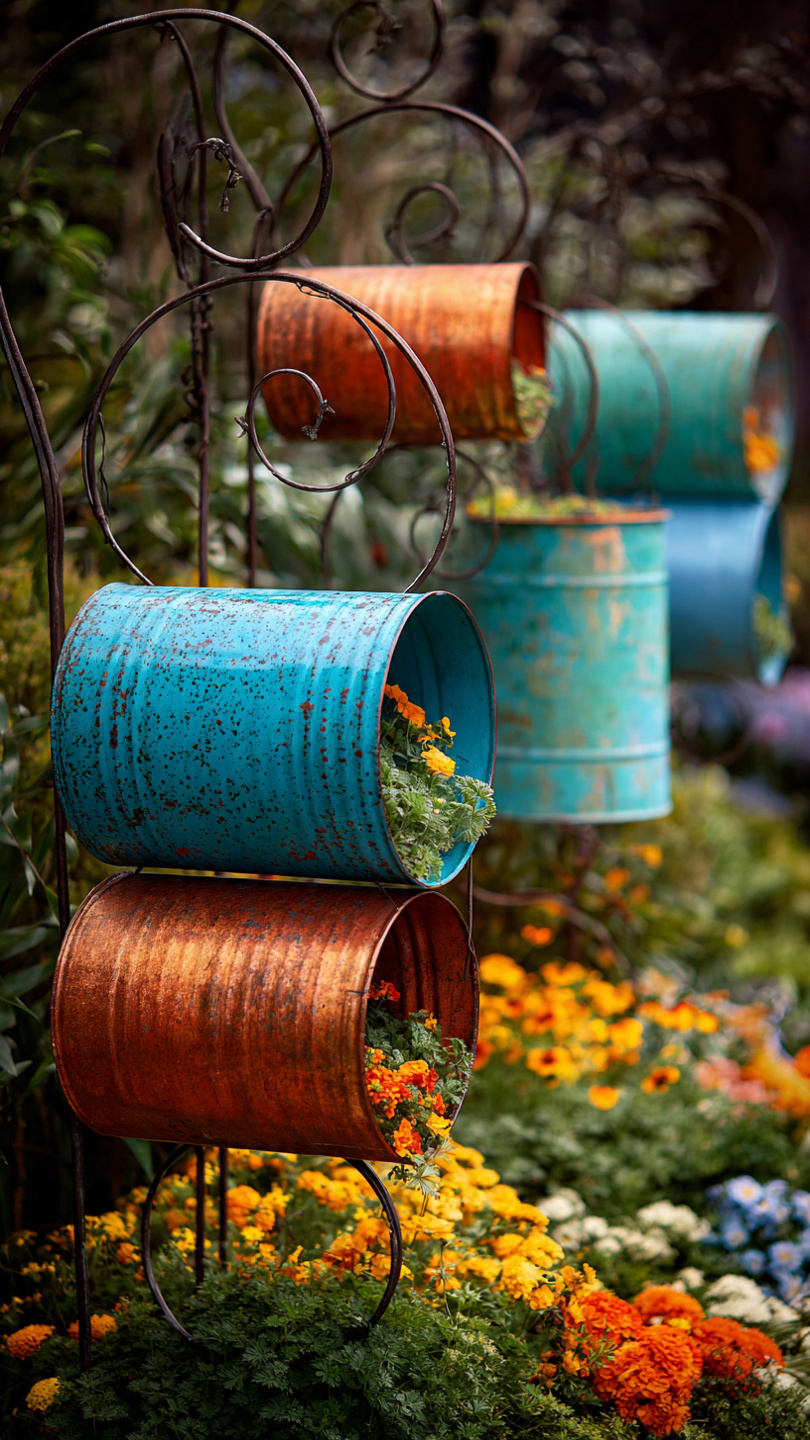
Large tin cans from bulk food items can be transformed into beautiful, hanging or ground-level planters with just a little paint. Punch decorative holes in the sides to allow for drainage and to create unique light patterns if you add solar lights. These metallic accents add a shimmering, eclectic touch to your flower beds during the day and night.
Hang them from low tree branches or shepherd’s hooks to add height and movement to your front yard landscape design. Painting them in a cohesive color palette ensures the collection looks intentional rather than cluttered. This project is a fantastic way to recycle household waste into high-end looking garden decor that costs almost nothing to create.
8. Gravel and Mulch Paths
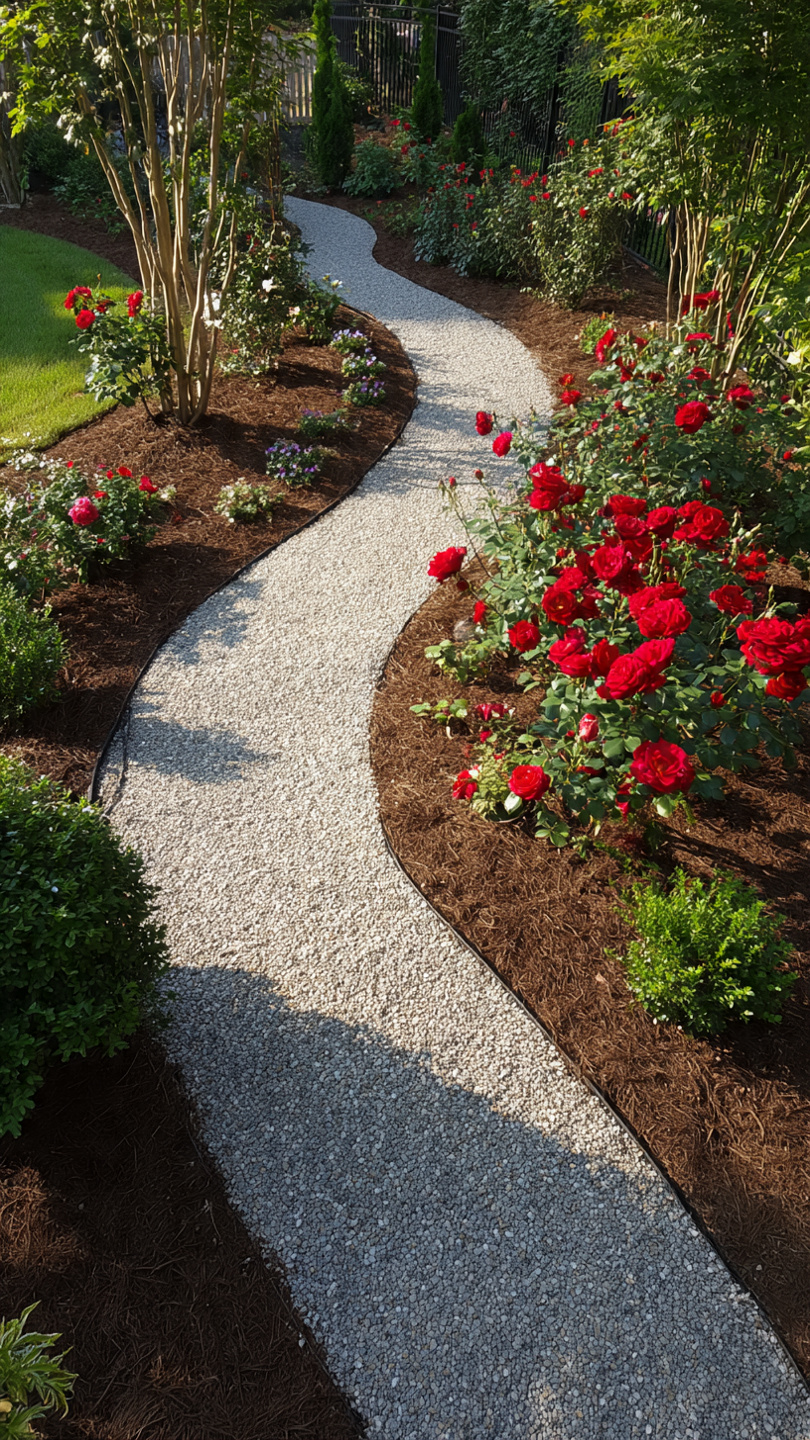
Combining inexpensive pea gravel with dark hardwood mulch creates a professional, high-contrast look that defines your flower beds with precision. Use the gravel to create narrow winding paths through your garden, making it easier to access plants for maintenance. The contrast between the light stones and dark soil makes the colors of your flowers pop.
Lay down landscape fabric beneath the gravel to prevent weeds from poking through and ruining the clean aesthetic you have created. This technique is much cheaper than installing pavers or concrete while offering excellent drainage for your front yard. It gives the entire space a structured, well-maintained appearance that significantly boosts your home’s overall curb appeal and charm.
9. Old Chair Flower Stand
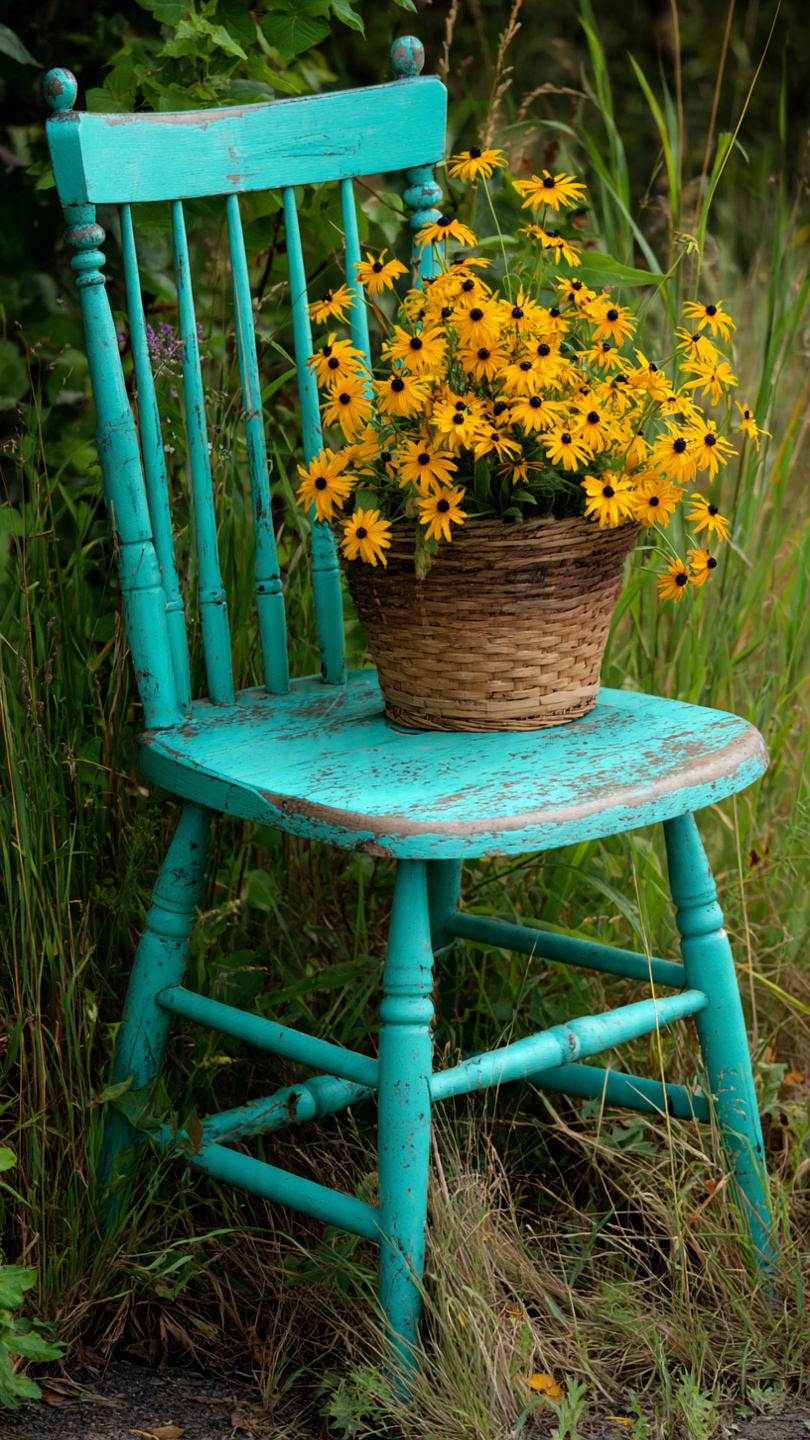
An antique wooden or metal chair can serve as a whimsical focal point when repurposed as a unique plant stand. Remove the seat and nestle a large cocoa-lined basket or a plastic pot inside the frame for planting. This adds an element of height and vertical interest that breaks up the flat lines of a traditional garden.
Paint the chair a bold, contrasting color like cobalt blue or bright red to make it a true statement piece. Surround the base of the chair with low-lying flowers to make it look like a natural part of the landscape. It’s a perfect way to give a second life to furniture that might otherwise end up in a landfill.
10. Brick Scalloped Edging
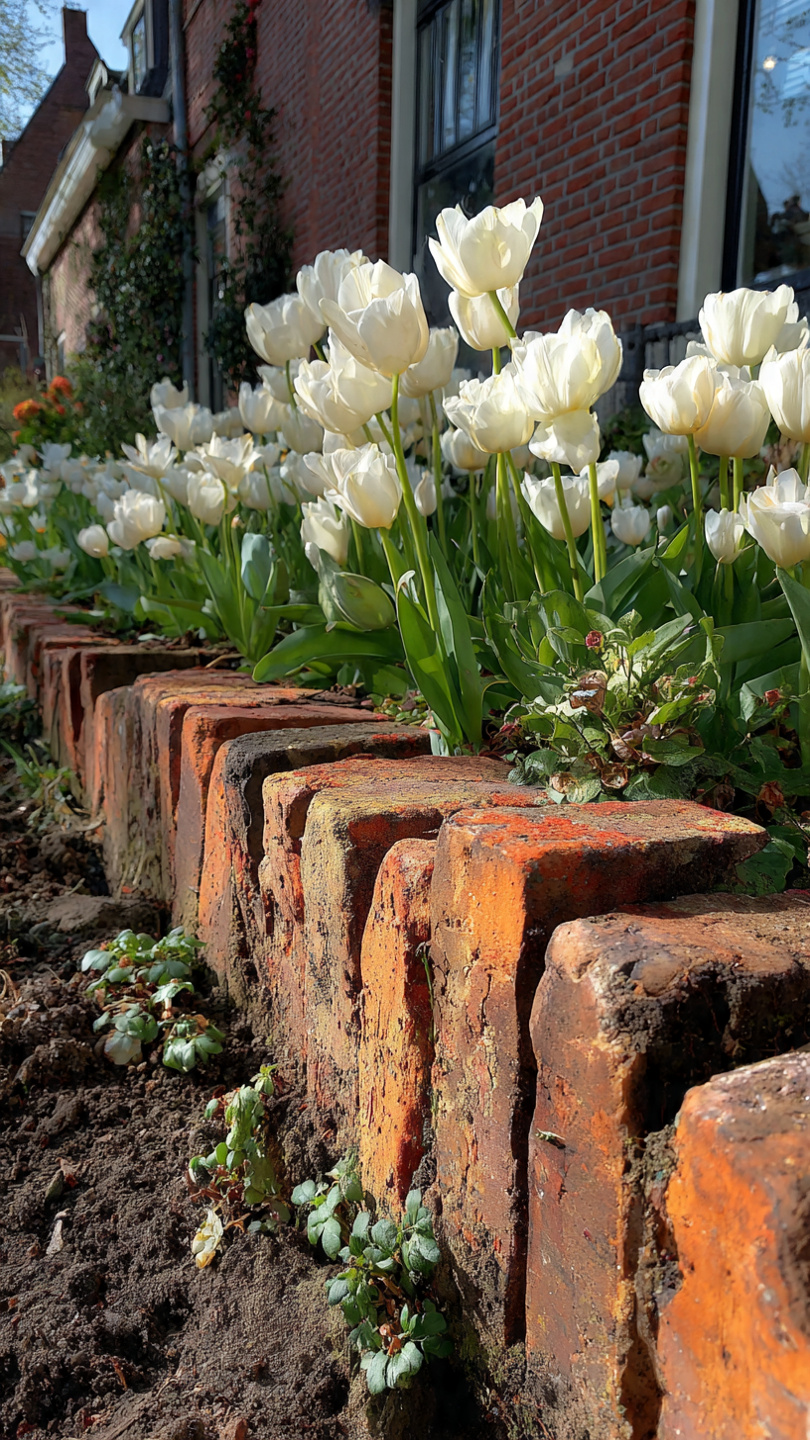
Reclaiming old bricks from construction sites or yard sales is a classic way to create a sturdy and traditional flower bed. Placing them at an angle creates a beautiful “scalloped” or “sawtooth” edge that looks expensive and custom-made. This method effectively holds back soil and prevents grass from encroaching on your delicate flower arrangements and expensive ornamental shrubs.
Ensure the ground is level before installation to maintain a professional look throughout the entire length of the flower bed border. Bricks offer a warm, earthy tone that complements almost any home exterior style, from colonial to modern ranch. Because they are heavy, they stay in place without the need for mortar, making this a simple afternoon project.
11. Wine Bottle Border
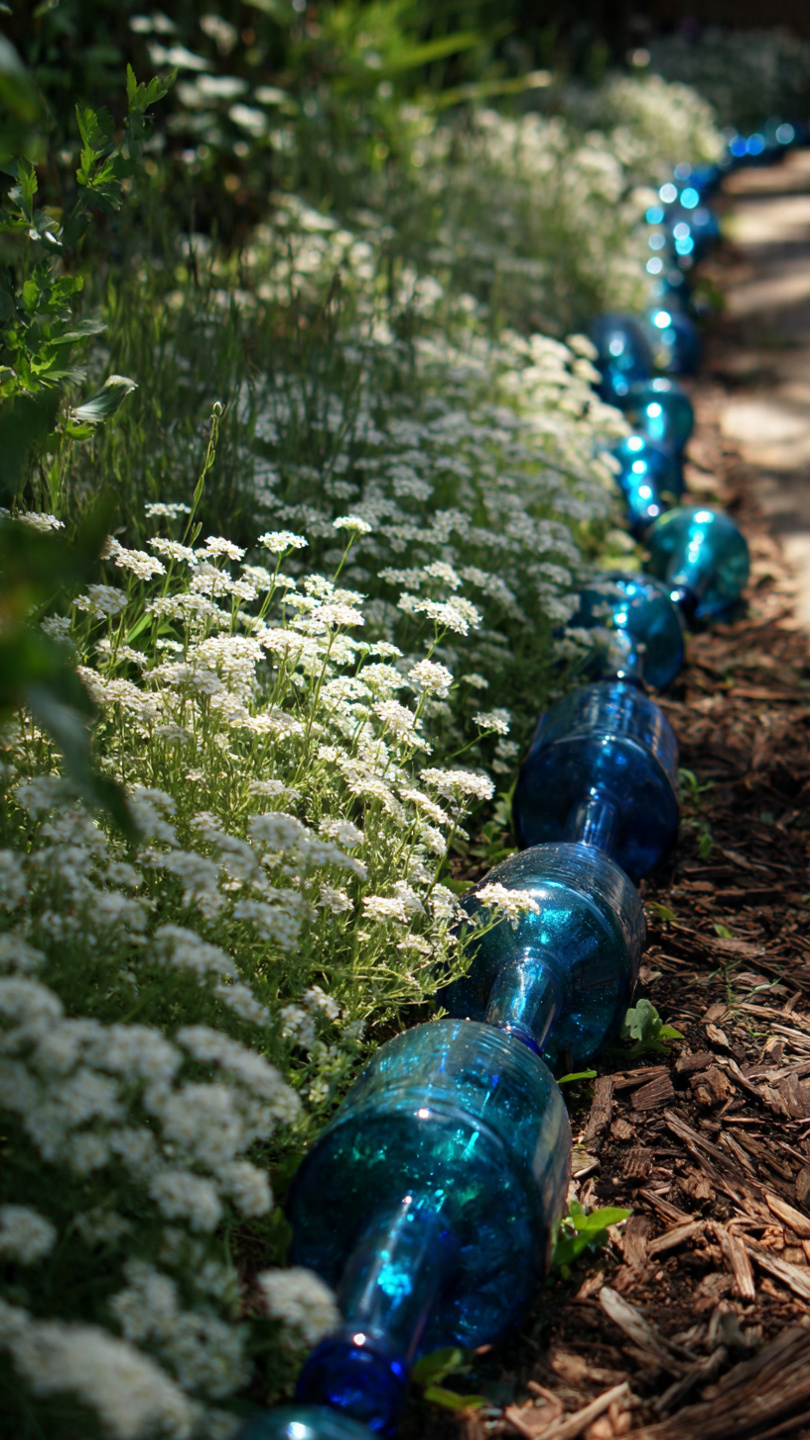
Empty glass wine bottles can be buried neck-down to create a colorful and translucent border that catches the sunlight beautifully. This unique edging technique is a great conversation starter and an excellent way to recycle glass rather than throwing it away. When grouped by color, such as all green or all blue, the effect is stunning.
Ensure you bury the bottles deep enough so that they remain stable and won’t be easily tipped over by garden tools. The smooth glass surface is easy to clean with a quick spray from the garden hose to keep it looking sharp. This shimmering boundary works particularly well in sunny front yards where the light can truly make the glass glow.
12. Wheelbarrow Planter
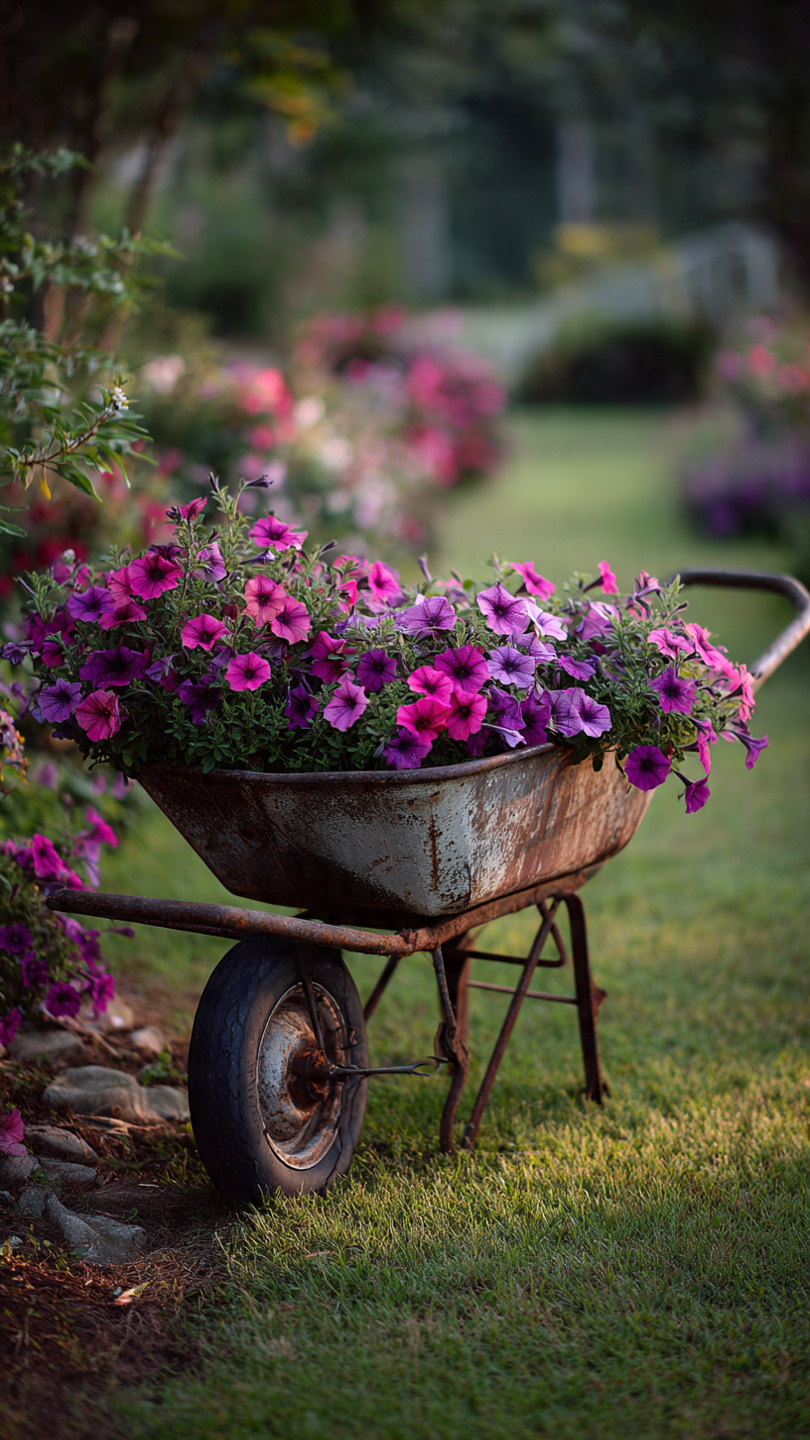
An old, rusty metal wheelbarrow can be turned into a charming, mobile flower bed that adds a touch of vintage nostalgia. Drill a few drainage holes in the bottom, fill it with potting mix, and plant a variety of trailing and upright flowers. It works beautifully as a centerpiece in the middle of a large lawn or near a walkway.
The portability of a wheelbarrow allows you to move your garden to follow the sun or clear space for outdoor events. You can often find these at garage sales for a few dollars, and a quick coat of rust-inhibiting paint can revitalize them. It’s an effortless way to create a lush, overflowing garden feature without digging up your entire front yard.
13. Seashell and Sand Bed
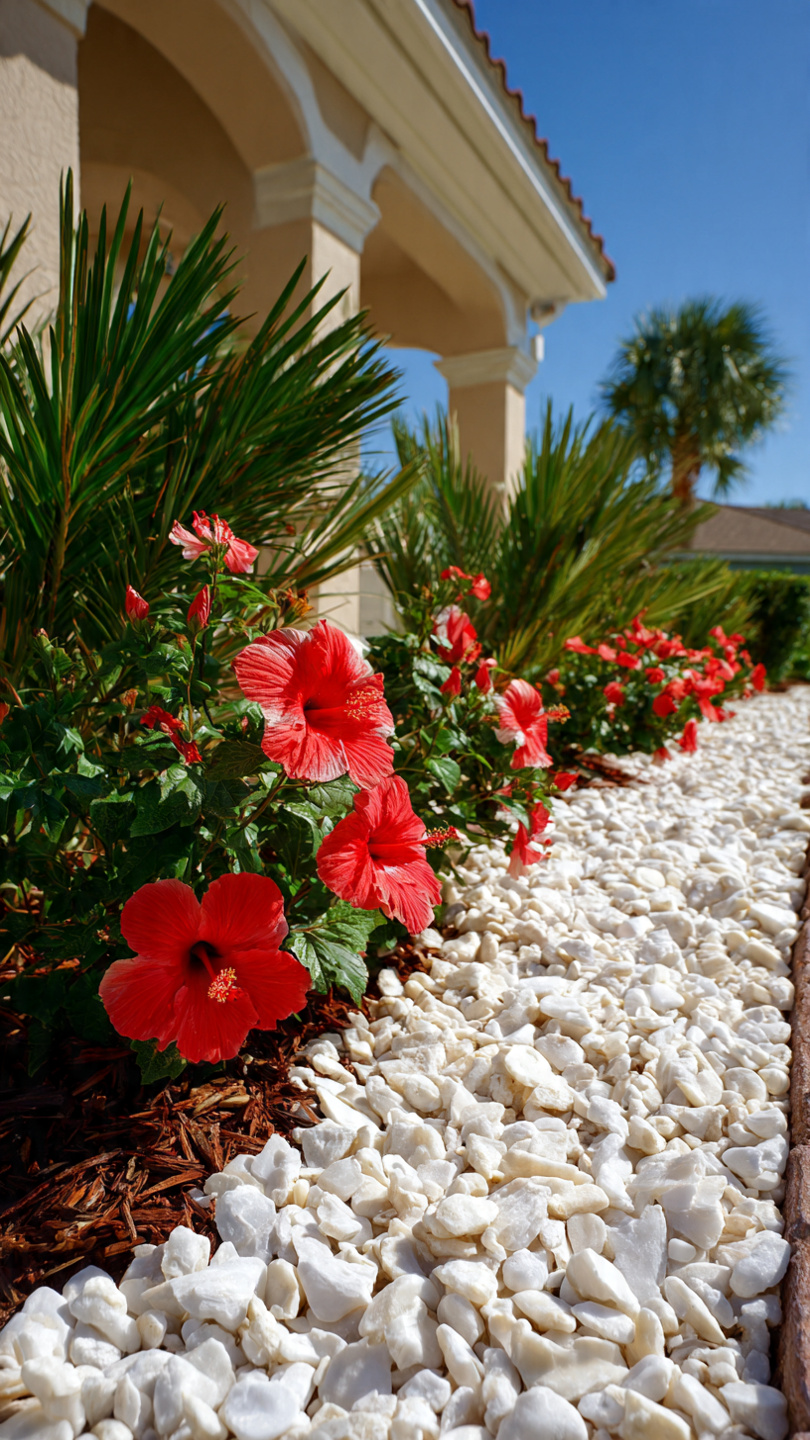
If you live near the coast or love the beach, using large seashells as mulch or edging adds a coastal flair. White shells reflect light and provide a bright contrast against green foliage and colorful tropical flowers like hibiscus. This theme is perfect for creating a relaxed, vacation-like atmosphere right at your own front door throughout the year.
Mix the shells with sand or light-colored gravel to complete the seaside look while providing excellent drainage for your plants. This low-maintenance idea is particularly effective in sandy soils where traditional gardens might struggle to thrive. It’s a unique, budget-friendly way to bring a piece of the ocean to your home’s landscaping and overall design.
14. Plastic Edging with a Twist
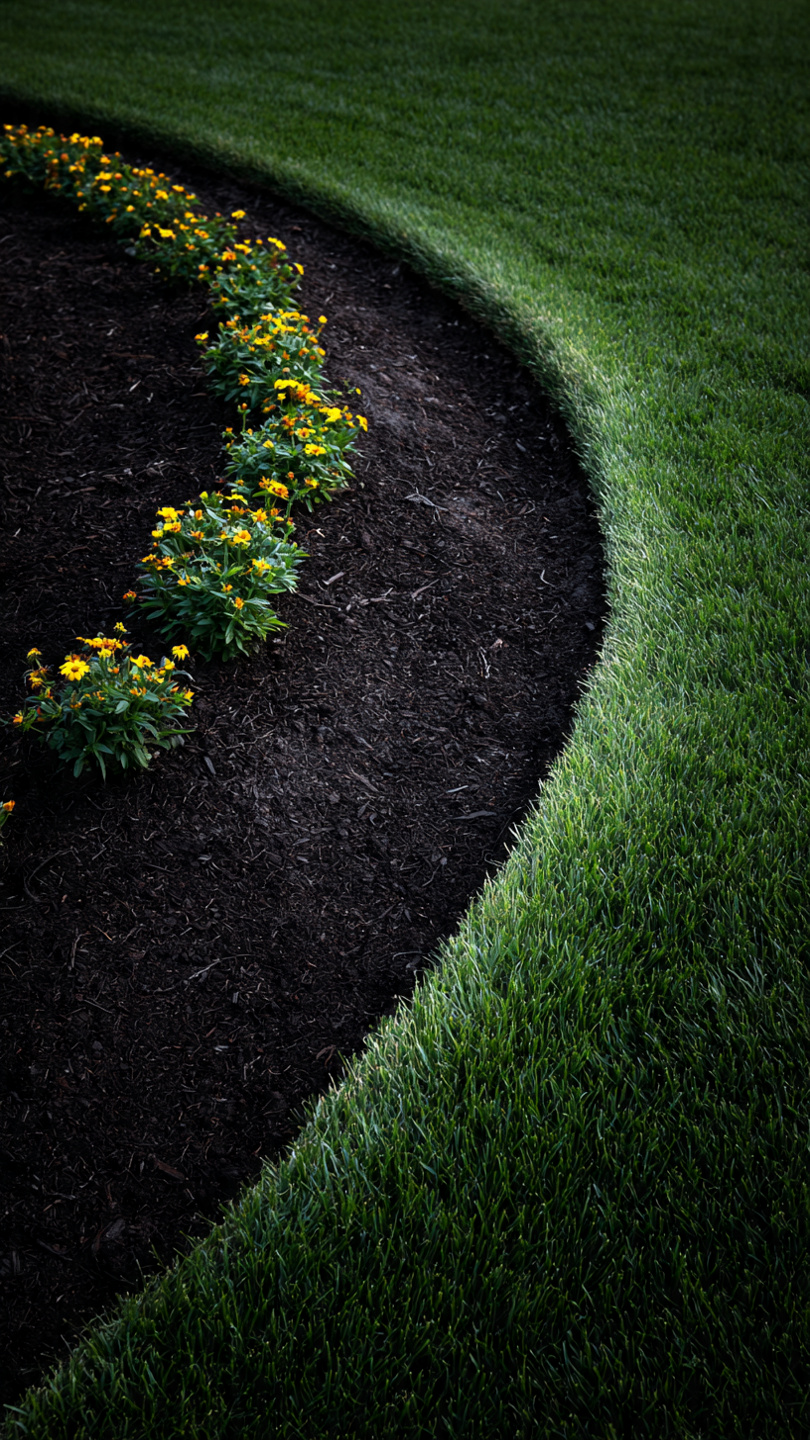
Standard black plastic edging is very inexpensive, but you can upgrade its look by covering it with a layer of mulch. By hiding the utility of the plastic, you get the benefits of a clean edge without the cheap visual of the material. This creates a hidden barrier that keeps your grass and garden beds completely separate and tidy.
Use sturdy garden stakes to ensure the plastic remains flush with the ground and doesn’t “heave” during the winter months. This is the ultimate budget solution for homeowners who want the look of a professionally manicured lawn without the high cost. It’s a quick, functional fix that provides a very polished finish to any DIY flower bed project.
15. Upside Down Tomato Cages
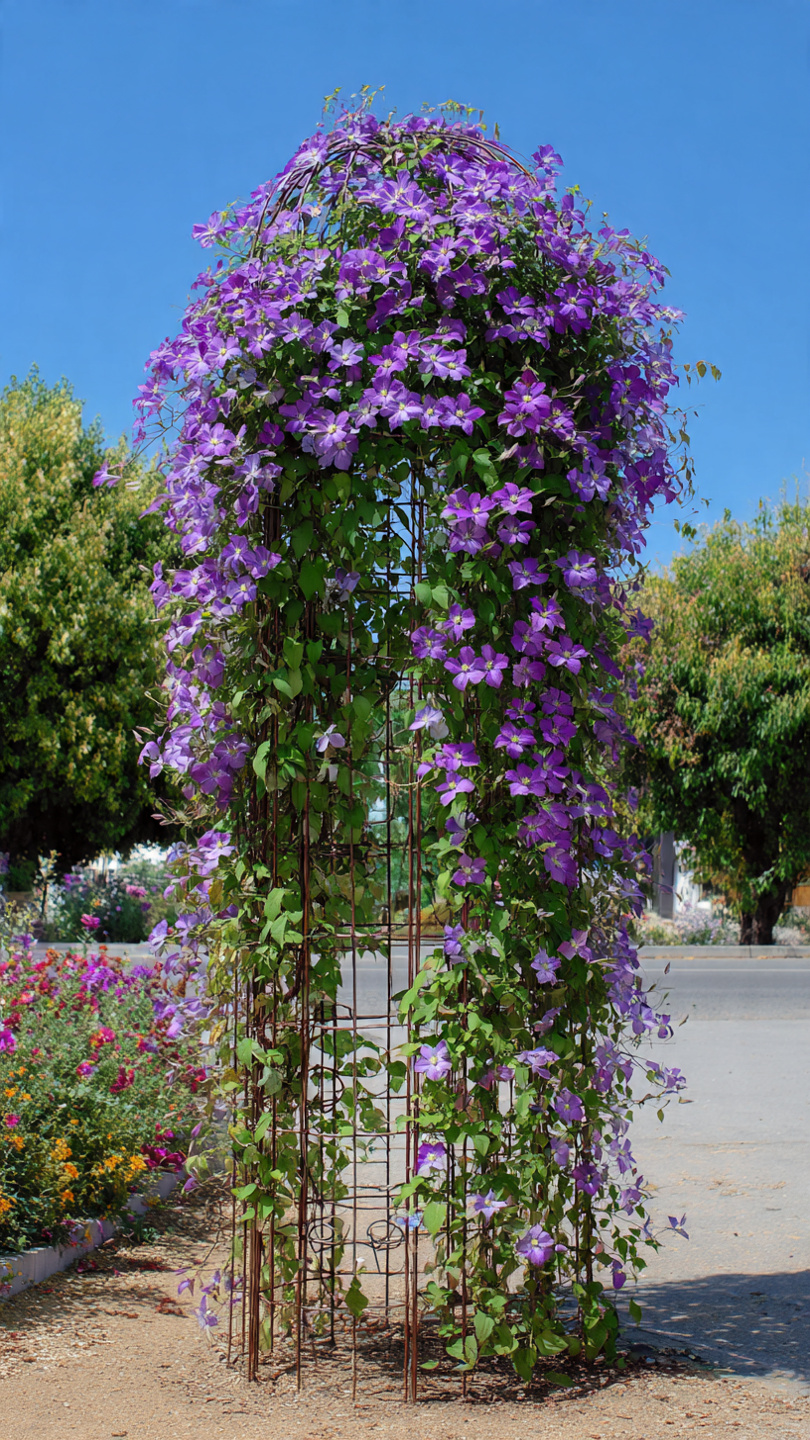
Tomato cages are very cheap and can be repurposed into elegant trellises for climbing flowers like clematis or morning glories. By turning them upside down and securing the legs into the ground, you create a sturdy, cone-shaped support system. This adds much-needed vertical interest to your flower beds and allows you to grow more in less space.
Paint the wire cages a dark green or black so they blend in seamlessly with the surrounding foliage and garden plants. As the vines grow, they will completely cover the metal, creating a beautiful pillar of blossoms in your yard. This is a brilliant way to use common garden tools to create a sophisticated, high-end landscape feature.
16. Driftwood Focal Point
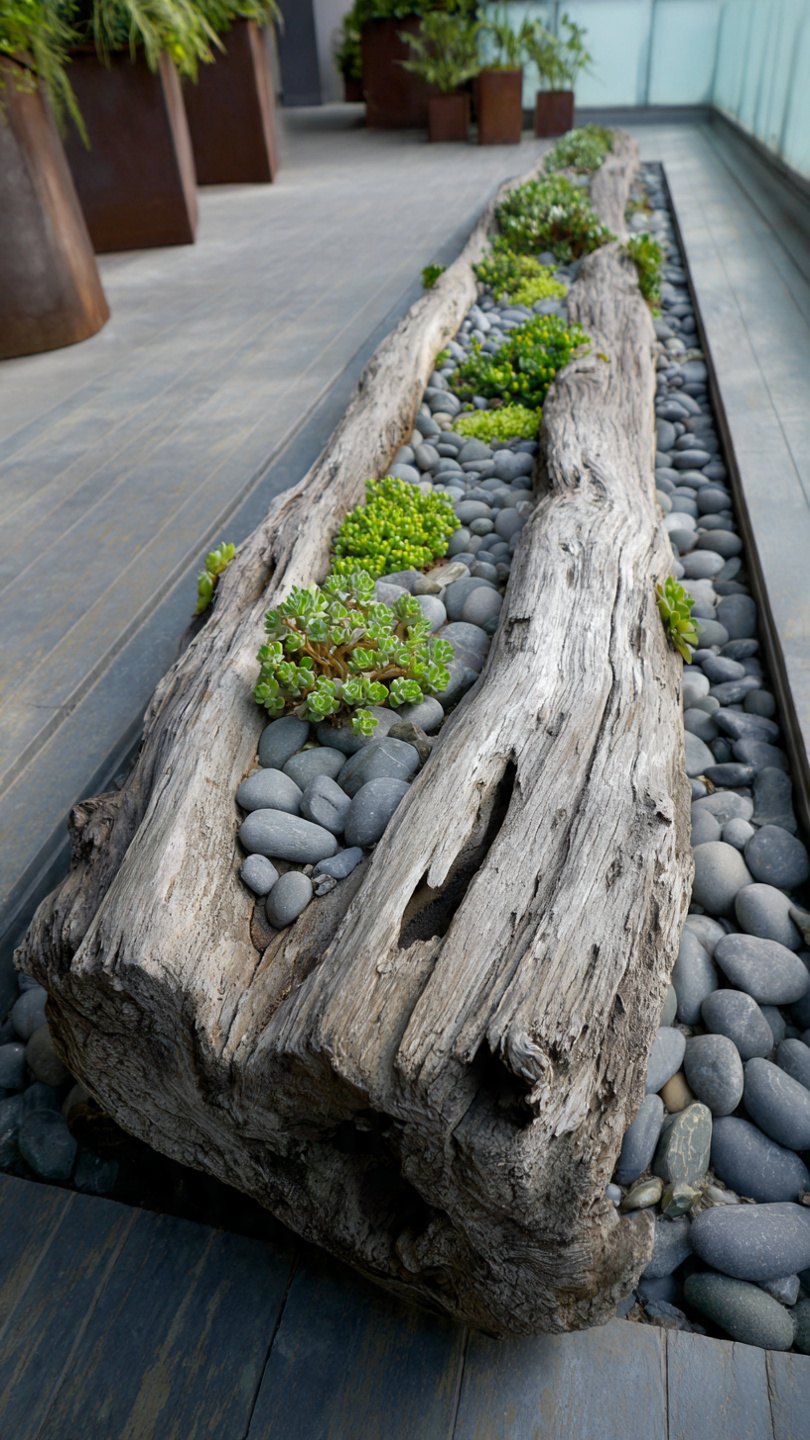
Finding a large, weathered piece of driftwood can provide an artistic and free sculptural element for your front yard garden. Position the wood as a centerpiece and plant small succulents or air plants within its natural nooks and crannies. The silver-grey tone of the wood provides a beautiful, muted backdrop for vibrant green and red plants.
Driftwood is naturally durable and resistant to pests, making it a long-lasting addition to your outdoor landscape design. It works exceptionally well in modern, minimalist, or coastal-themed gardens where natural textures are highly valued and appreciated. This completely free resource adds a touch of organic elegance that looks like it belongs in a high-end magazine.
17. Broken Pot Fairy Garden
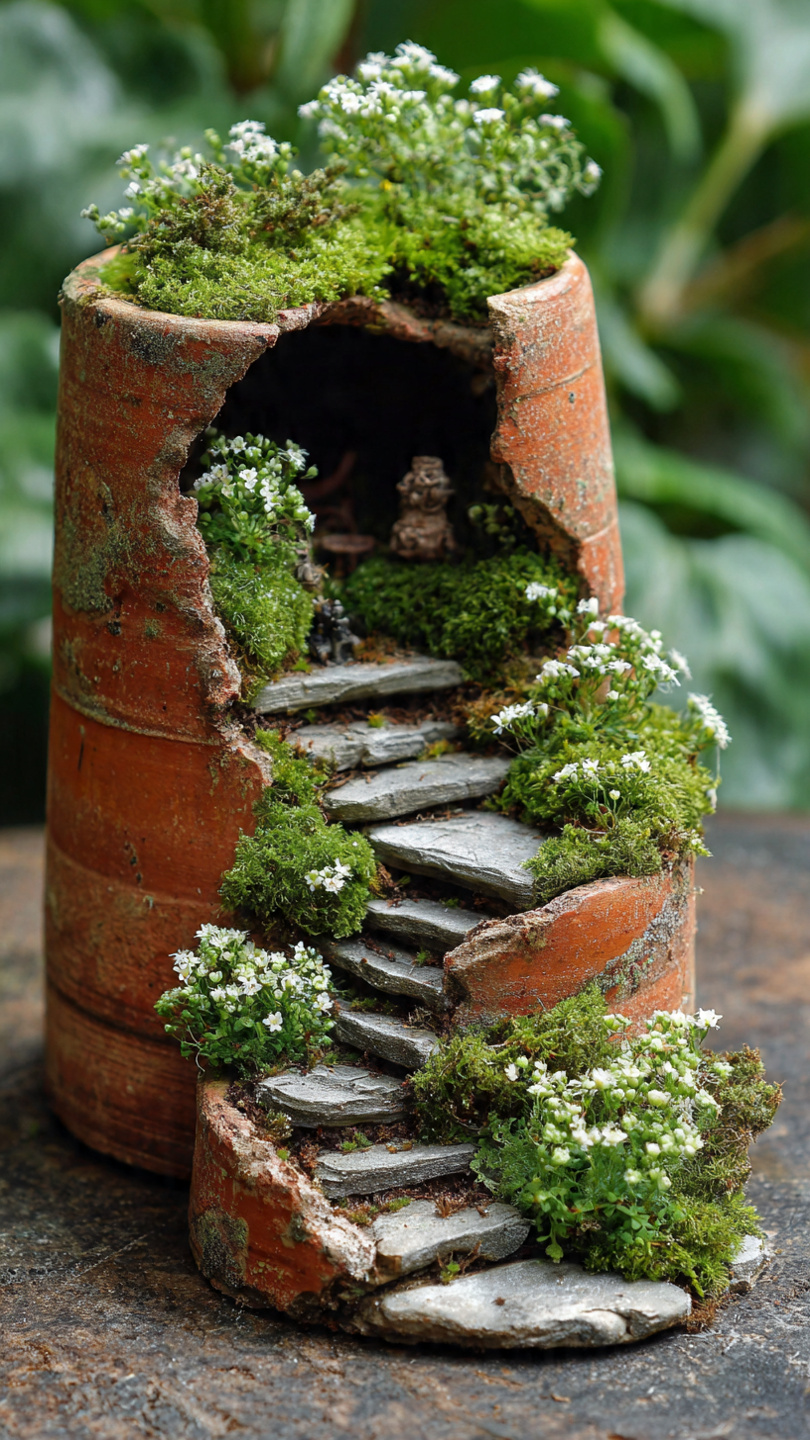
Don’t throw away your cracked or broken ceramic pots; instead, use them to create a whimsical, multi-layered fairy garden. Arrange the broken pieces to create “stairs” or terraces within the soil, allowing for a creative and unique planting layout. This “miniature” flower bed is perfect for small entryways or as a charming surprise for your neighborhood guests.
Fill the layers with tiny groundcovers like Irish moss or small-leafed herbs to maintain the scale of the miniature scene. Adding a few small stones or a tiny bench can complete the look without costing more than a few cents. It’s a creative way to turn an accident into a beautiful, intentional piece of garden art.
18. Window Box on the Ground
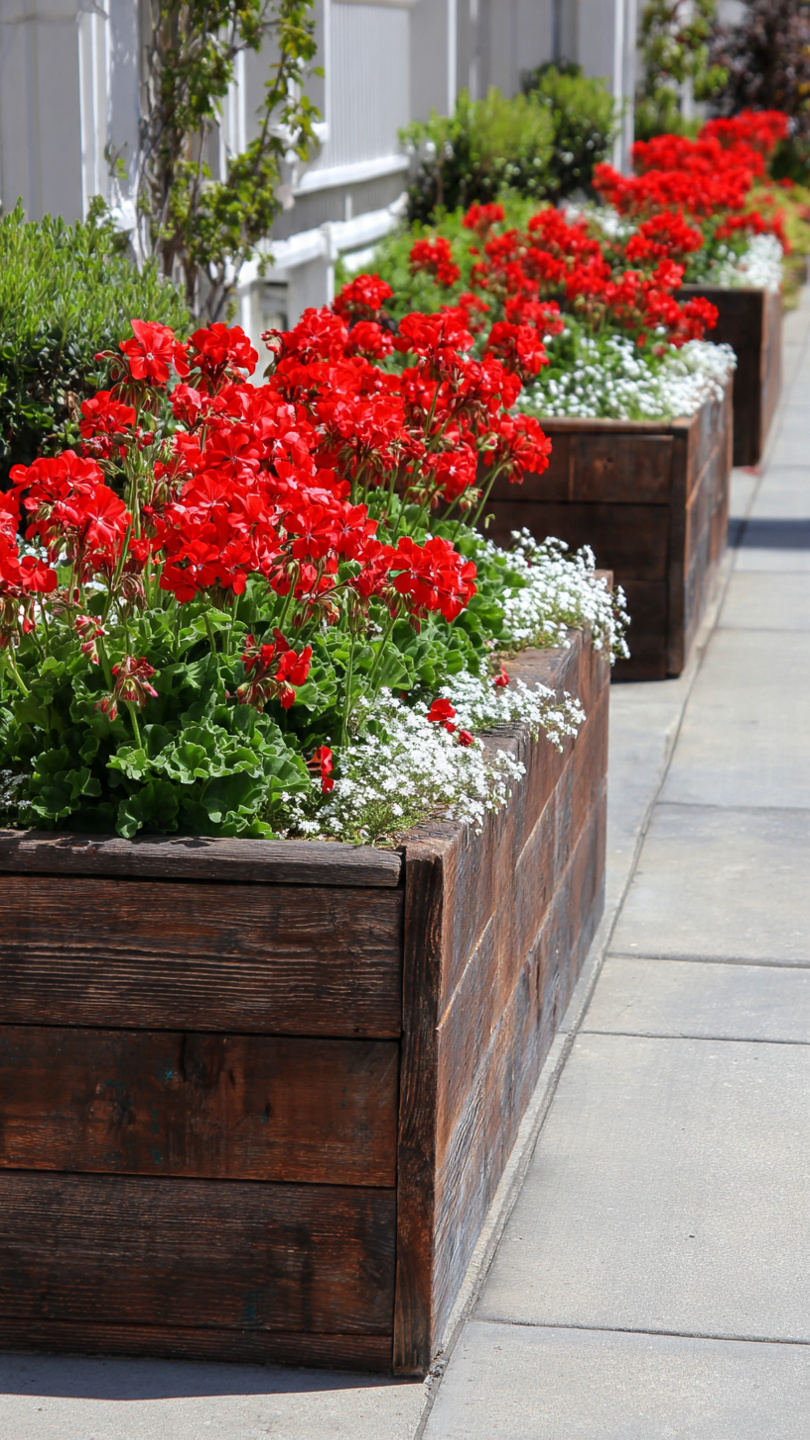
Window boxes aren’t just for windows; placing them directly on the ground along a walkway creates a structured, linear flower bed. This is an excellent solution for narrow spaces between a sidewalk and your home where digging a deep bed is difficult. They provide a tidy, uniform look that is very easy to plant and maintain seasonally.
Choose boxes made of durable plastic or treated wood to ensure they last for several years in the outdoor elements. You can easily swap out the entire box for different seasons, moving from spring tulips to autumn chrysanthemums in minutes. This flexible approach allows you to keep your front yard looking fresh and vibrant with very little physical labor.
19. Galvanized Bucket Planters
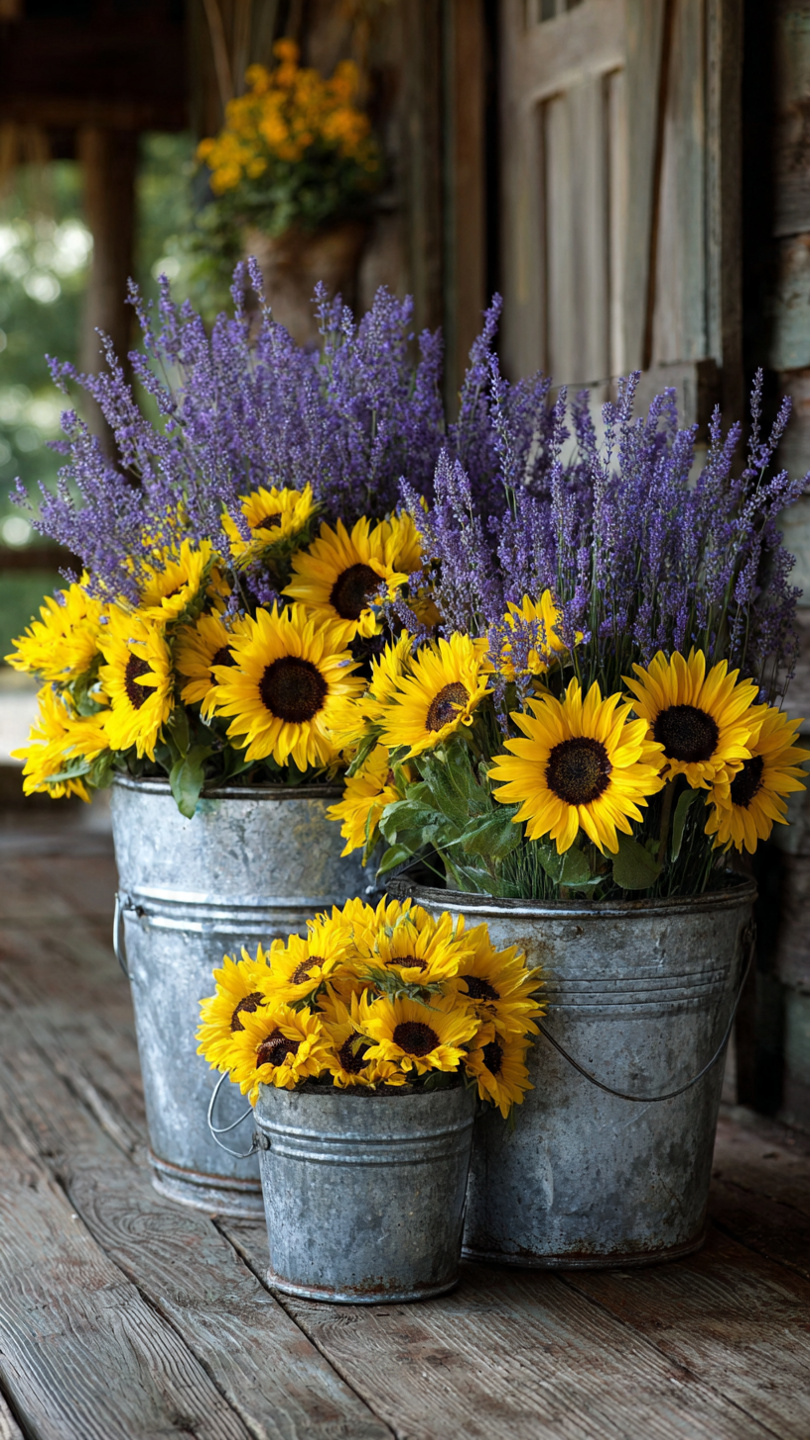
Silver galvanized buckets provide a classic, farmhouse aesthetic that is both trendy and very affordable for any homeowner. Grouping buckets of different sizes near your front door creates a welcoming and rustic entry that feels lived-in and cozy. The reflective metal surface helps brighten up shaded porch areas by bouncing natural light around the space.
Be sure to drill several drainage holes in the bottom to prevent water from pooling and rotting your plant roots. These buckets are incredibly durable and can withstand harsh weather conditions without cracking or fading like some plastic alternatives. They are a timeless choice that adds a touch of vintage charm to any style of home or garden.
20. Simple Trench Edging
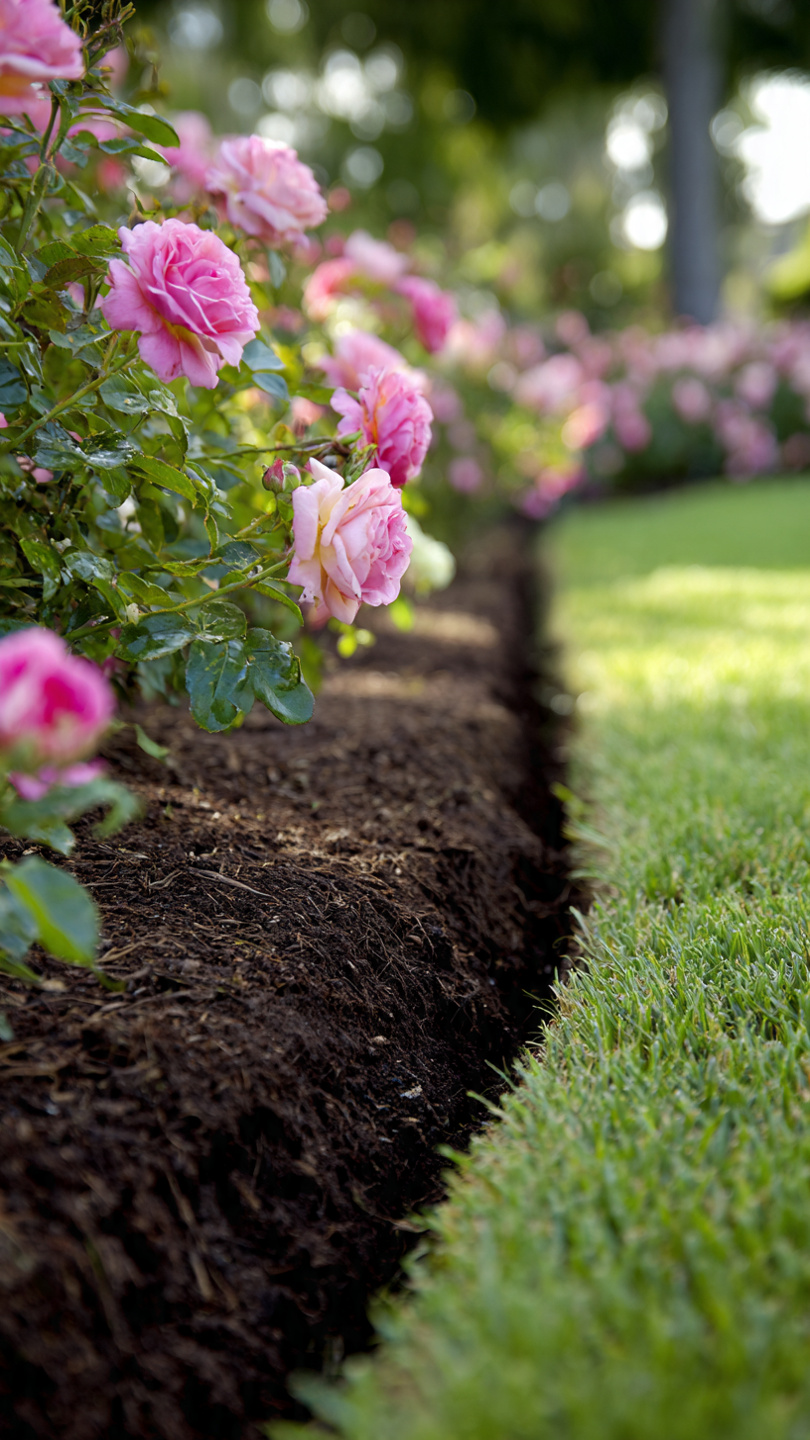
The most budget-friendly way to define a flower bed is the “Victorian trench” method, which requires no materials at all. Using a sharp spade, cut a clean, vertical edge about three inches deep between your lawn and the garden bed. This creates a physical barrier that stops grass roots and provides a professional, “carved” look for free.
To maintain the look, simply refresh the edge once or twice a year with a quick pass of the shovel. This method allows for complete flexibility in the shape of your beds, from sharp geometric angles to flowing, organic curves. It is the purest form of budget gardening, relying entirely on your own labor to create a high-impact, beautiful landscape.