

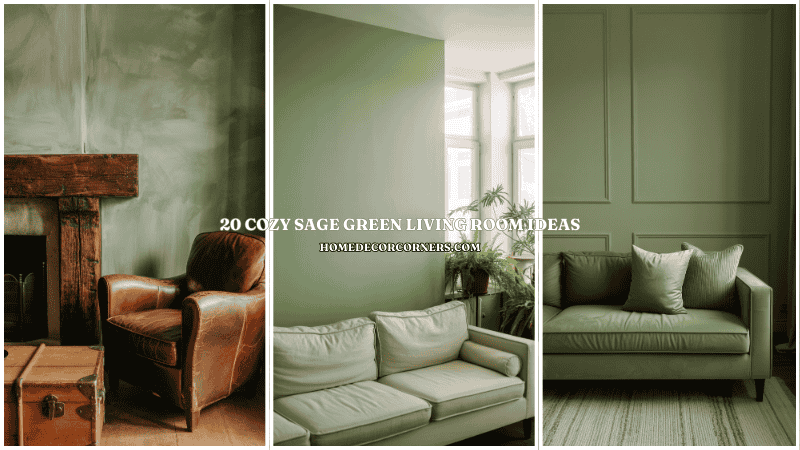
Welcome to a world of tranquil hues and inviting spaces! This article showcases 20 curated ideas to infuse your living area with the soothing ambiance of sage green. Get ready to transform your home into a cozy haven, one leafy shade at a time.
1. The Classic Sage Green Accent Wall
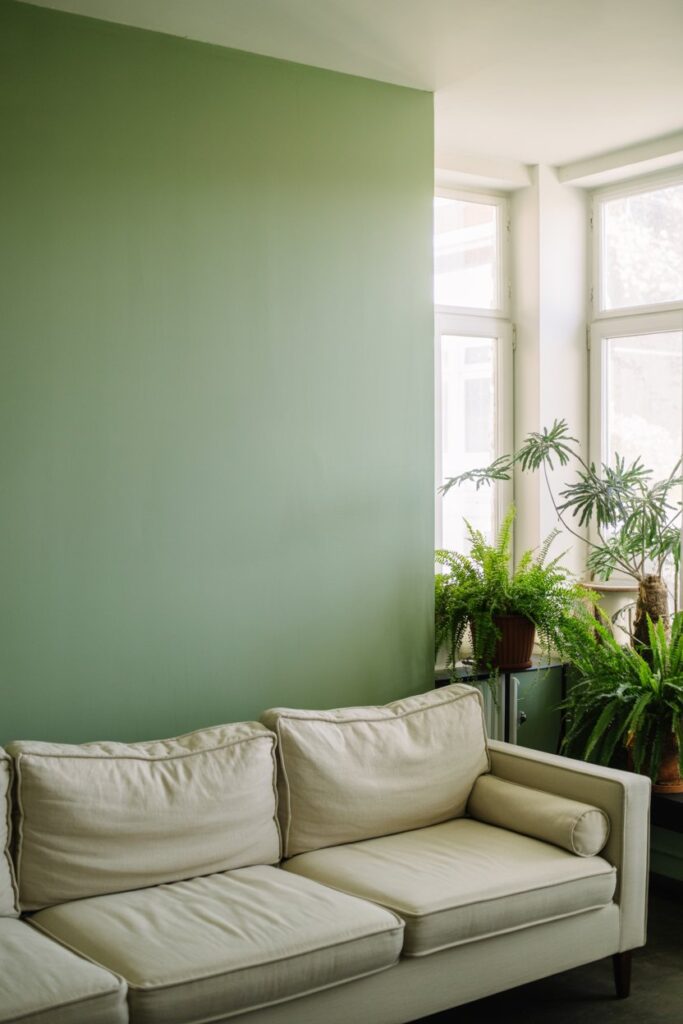
Sage green, with its muted, earthy undertones, is the perfect candidate for a featured accent wall. This approach allows you to introduce the color prominently without it overwhelming the entire space. It creates a defined focal point, immediately establishing a sense of calm and connection to nature within your living room. The soft hue serves as a beautiful backdrop for various decor styles.
When painting an accent wall sage green, consider pairing it with natural materials and neutral tones to maximize the cozy effect. Think about featuring furniture in light woods, woven textures like jute rugs, and soft creams or warm whites for surrounding walls and textiles. This juxtaposition enhances the organic, relaxing quality of the sage, making your living room feel instantly more inviting.
2. Sage Green Upholstery for Statement Comfort
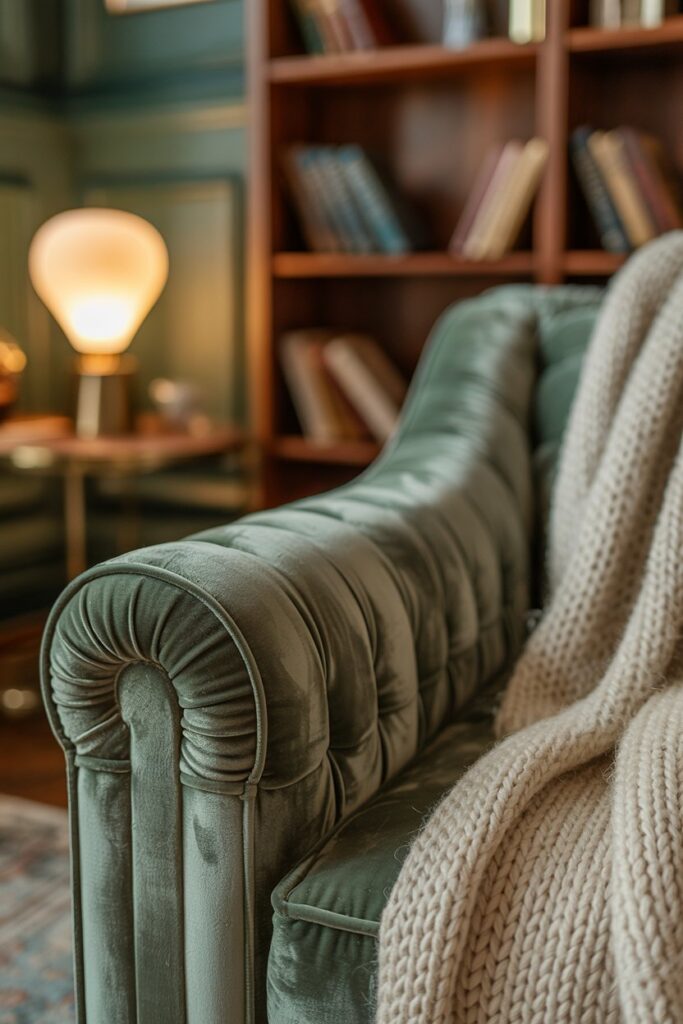
Instead of painting the walls, consider incorporating sage green through large pieces of furniture. An upholstered sofa or a pair of accent chairs in this soothing shade becomes an immediate statement piece. It grounds the room in color and comfort, inviting you and your guests to sink in and relax. This approach works exceptionally well in rooms with neutral-colored walls.
To complete this cozy look, choose fabrics that invite touch, such as velvet, soft linen, or textured cotton. Pair your sage green seating with contrasting yet harmonious elements. Layer the furniture with plush pillows in cream or blush pink, and place a warm-toned rug beneath. This creates a deeply comfortable and visually appealing sanctuary perfect for unwinding after a long day.
3. The Earthy Palette: Sage Green and Warm Wood
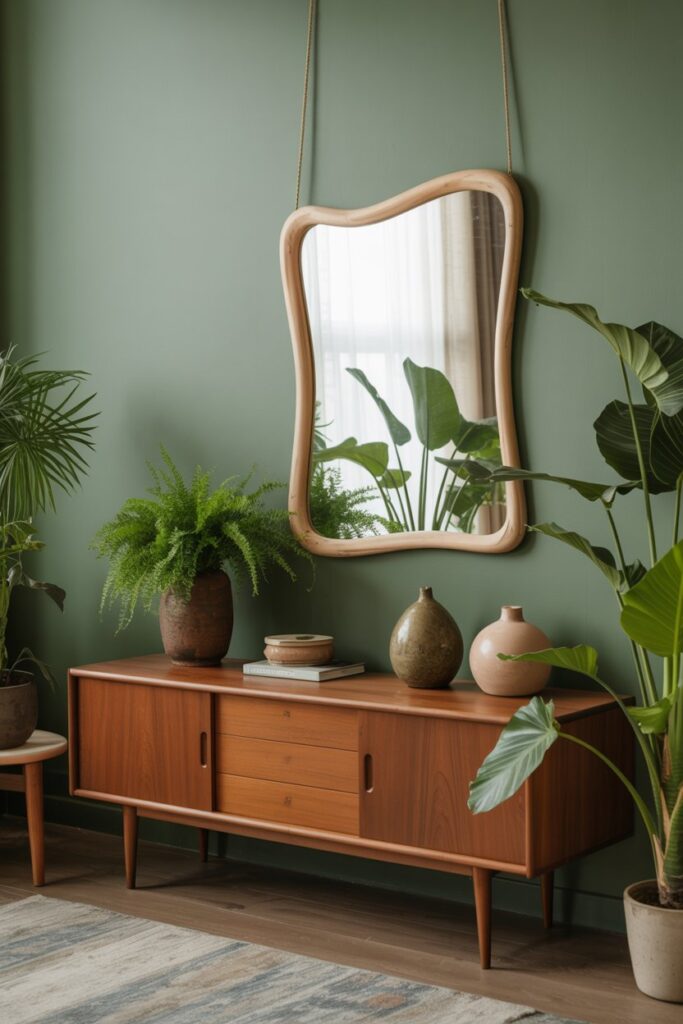
Sage green inherently connects to the outdoors, making it a natural companion for wood tones. This combination is perhaps the simplest way to achieve an organic, cozy feel in your living room. The coolness of the sage balances the warmth of the wood, creating a space that feels grounded and tranquil. It’s a timeless pairing that suits many design styles.
To implement this idea, incorporate different wood elements throughout the room. Think of exposed beams, hardwood floors (softened with rugs), a wooden coffee table, or even picture frames. This rich texture, when set against sage green walls or furniture, deepens the cozy ambiance. The combination fosters a relaxed, approachable atmosphere that immediately puts everyone at ease.
4. Bringing the Outdoors In: Plants and Sage
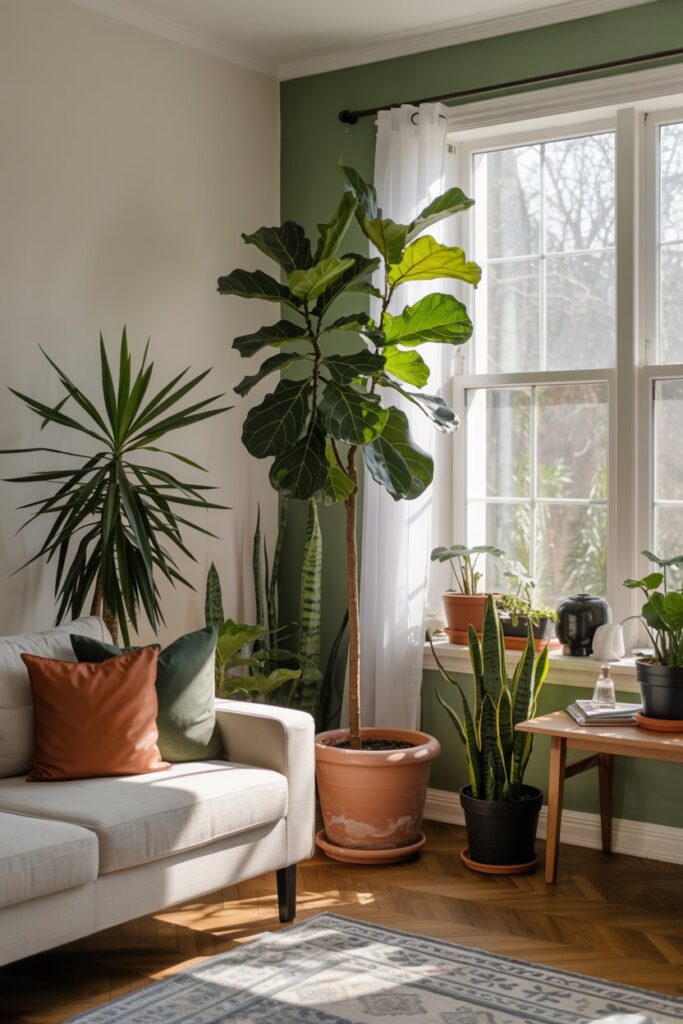
If you love the natural look of sage green, the most logical next step is to amplify its organic appeal by adding actual greenery. Potted plants, hanging vines, and dried botanicals are essential elements for a cozy, nature-inspired living room. The living greens perfectly complement the painted or upholstered sage, creating a vibrant yet relaxing ecosystem.
You can layer different types of plants at varying heights to add visual interest and depth to the room. Use terracotta pots, woven baskets, or even green-glazed ceramics to house them. This approach not only enhances the color palette but also improves air quality and creates a literal sanctuary of peace and comfort in the heart of your home.
5. Subtle Sage: Accessories and Textiles
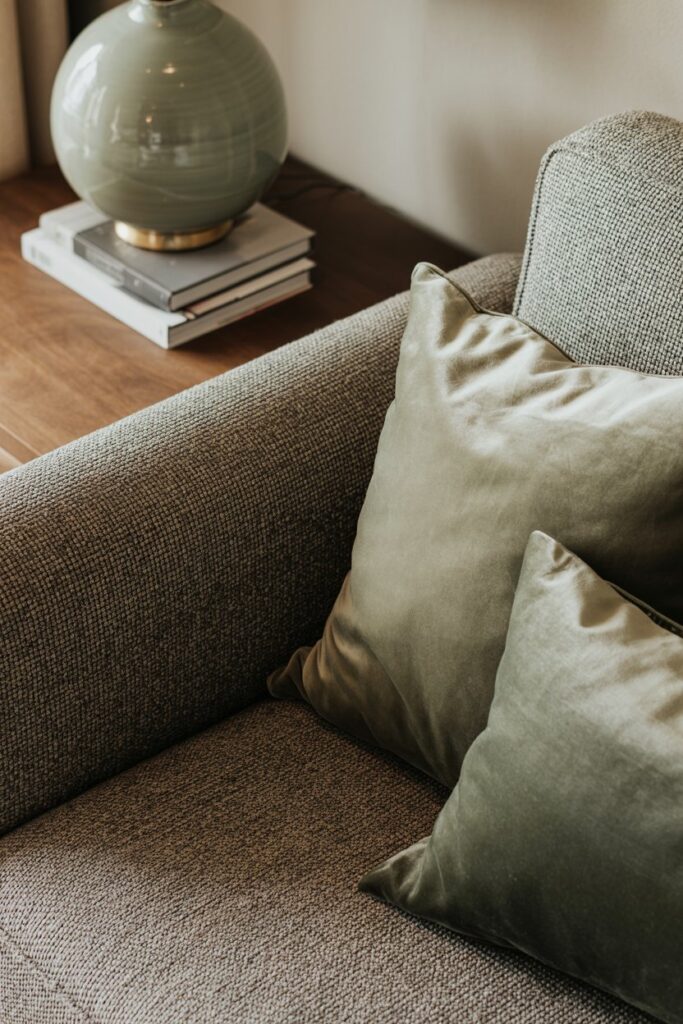
For those who prefer a more understated approach, sage green can be introduced subtly through accessories and textiles. This is an excellent way to test the color or to add pops of calmness to an existing, neutral living room. It’s a flexible and non-permanent way to bring this cozy hue into your space without commitment.
Think about layering your existing sofa with sage green throw pillows in different textures, like velvet or knitted cotton. Drape a soft sage throw blanket over an armchair. Consider other subtle touches such as sage-colored curtains, a patterned area rug featuring the hue, or even small decorative items like ceramic vases or photo frames. These details add up to a quietly cozy atmosphere.
6. Monochromatic Calm: Varying Tones of Sage
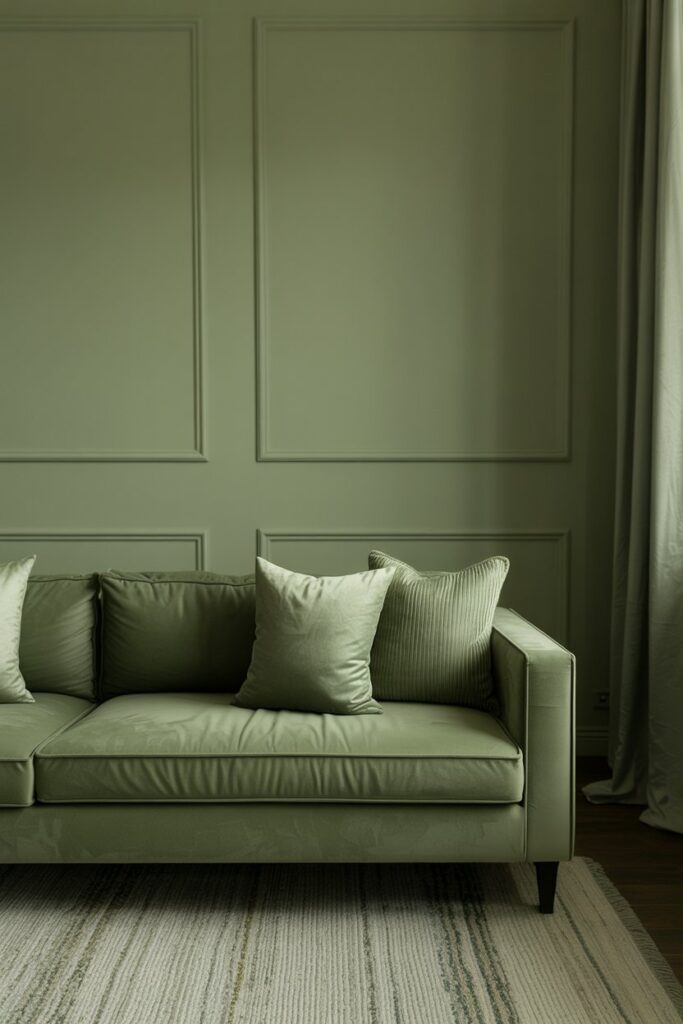
Creating a monochromatic look doesn’t mean everything must be the exact same shade. In fact, a sophisticated and deeply cozy living room can be achieved by layering different tones and saturations of sage green. This approach adds depth and visual interest while maintaining an overall sense of tranquility and flow that’s hard to achieve with multiple clashing colors.
Start with a lighter sage on the walls as your base. Then, introduce furniture, rugs, and curtains in progressively darker or slightly different variations of the hue. The key to making this work is texture. Ensure each shade of sage is represented in a different material—a velvet sofa, a linen curtain, a wool rug—to keep the room feeling dynamic, cozy, and expertly curated.
7. Sage Green and Cottagecore Charm
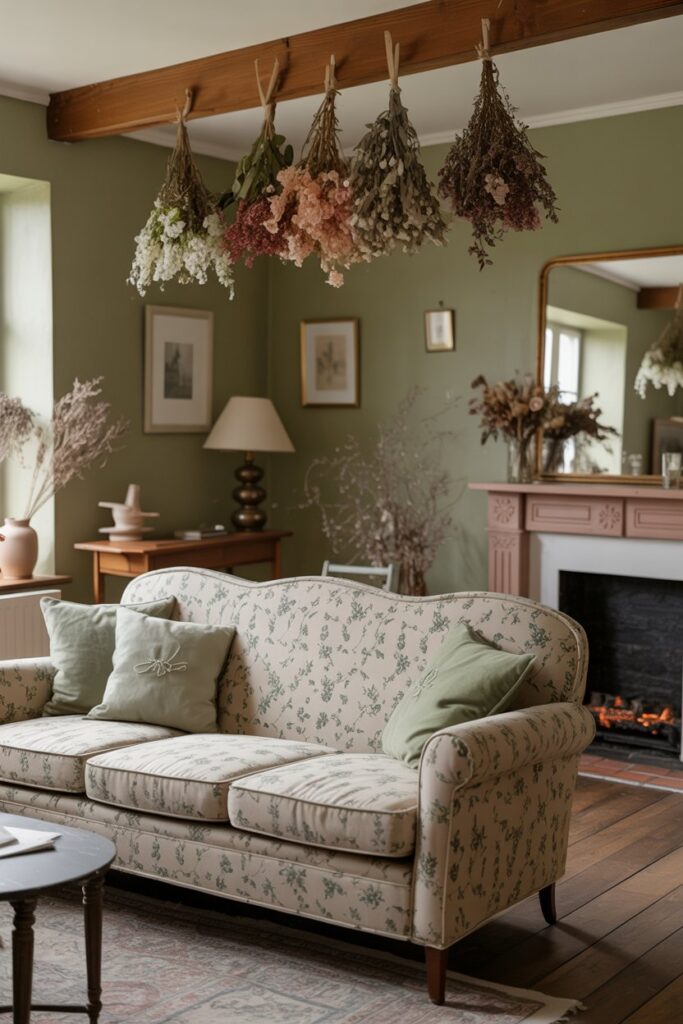
The soft, pastoral nature of sage green makes it the quintessential color for the popular cottagecore aesthetic. This style focuses on simplicity, comfort, and nostalgia, all of which are perfectly encapsulated by this gentle hue. When applied to a cottage-style living room, sage green enhances the inherent cozyness and creates a space that feels like a warm embrace.
To achieve this look, combine sage green walls or furniture with vintage-inspired elements. Think floral prints (which naturally include green), antique furniture (painted or distressed), soft lighting, and handmade textiles. This pairing evokes the simple charm of rural life, making your living area an incredibly comforting and relaxing escape from the modern world’s hustle.
8. Soft Contradiction: Sage Green and Blush Pink
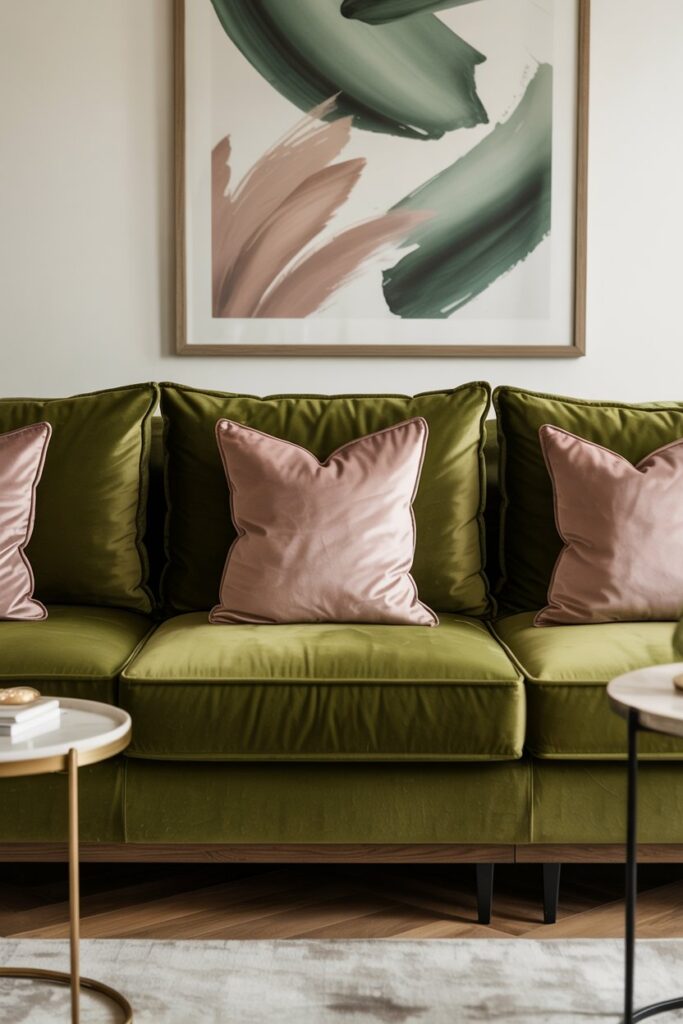
For a color combination that is both cozy and contemporary, pair sage green with soft, dusty blush pink. The inherent coolness and earthy nature of the sage are beautifully balanced by the warmth and gentle vibrancy of the pink. It’s a unexpected yet sophisticated pairing that feels simultaneously refreshing and deeply relaxing.
In this scheme, use sage as your primary neutral (on walls or large furniture) and blush pink as your accent. Think pink throw pillows, a soft pink area rug, or blush-toned ceramics. Add metallic accents like gold or brass to elevate the look and complete the cozy, chic aesthetic. This palette is perfect for creating a serene and stylish retreat.
9. Modern Simplicity with Sage Green
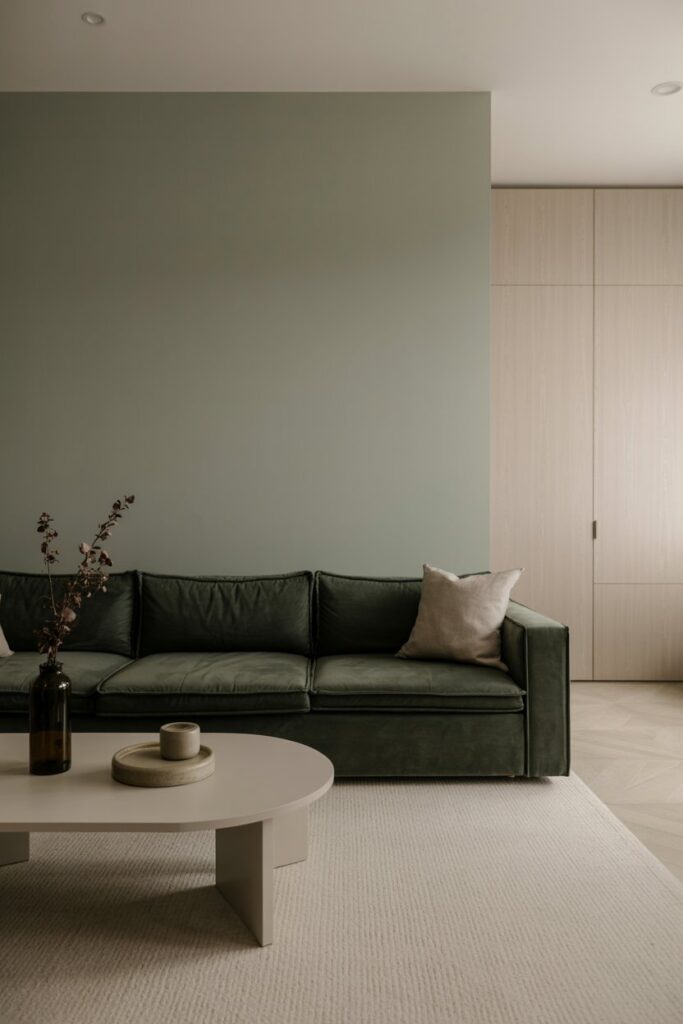
Sage green isn’t just for traditional or rustic styles; it translates beautifully into modern design as well. Its muted, subtle nature aligns perfectly with the clean lines and uncluttered spaces of modern minimalism. In this context, sage green replaces stark whites or greys, introducing an element of organic warmth that prevents the modern space from feeling cold or impersonal.
Use a light or grey-toned sage on the walls. Complement it with sleek furniture in neutral colors like grey, black, or white. Incorporate simple textures like leather or smooth concrete. The sage green provides a quiet, calming background, allowing the clean forms of your modern decor to stand out while ensuring the overall atmosphere remains inviting and cozy.
10. Rustic Warmth: Sage and Distressed Details
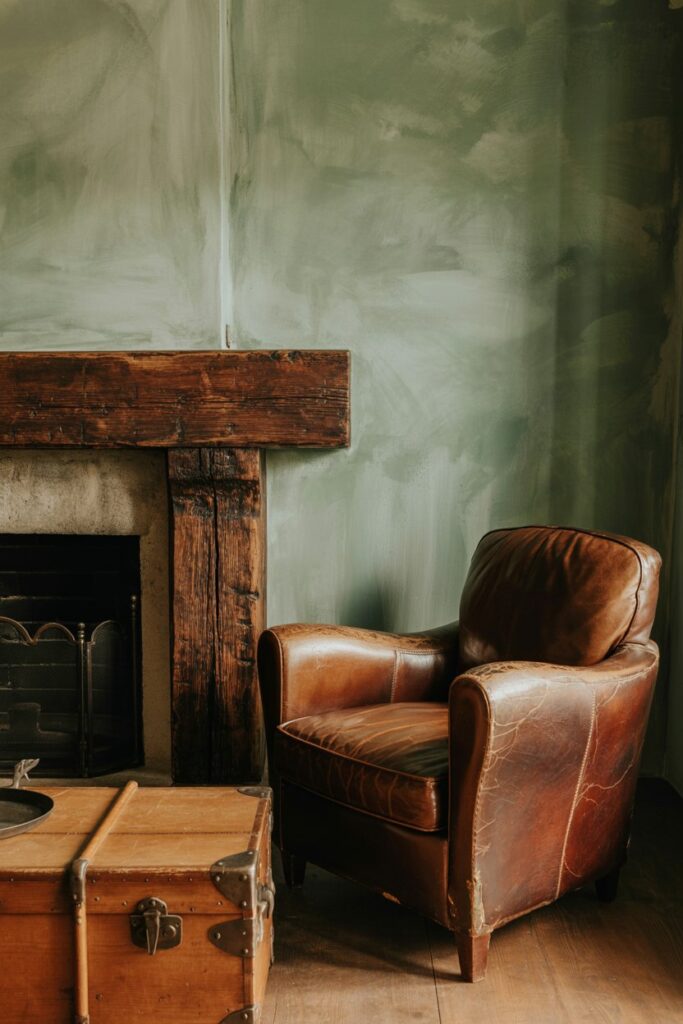
For a deep sense of comfort and character, integrate sage green into a rustic-style living room. The earthy, natural vibe of sage green perfectly complements the raw textures and aged materials typical of rustic design. It adds a layer of softness and tranquility to a style that can sometimes feel overly rugged or masculine.
Combine sage green (perhaps on the walls or a painted cabinet) with distressed wood, wrought iron accents, and textured fabrics like burlap or aged leather. Think exposed brick (maybe whitewashed) or stone. The muted green hue provides a gentle, organic backdrop that highlights the unique history and texture of your rustic elements, resulting in a profoundly cozy and lived-in atmosphere.
11. Moody Elegance with Deep Sage
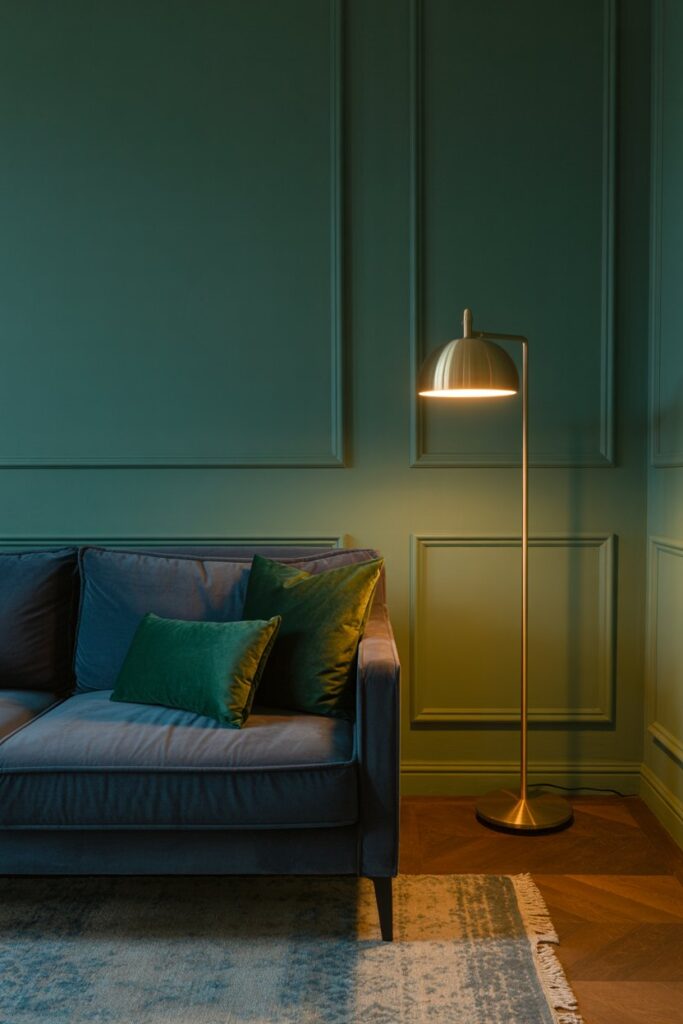
While we often think of sage green as light and airy, opting for a deeper, more saturated tone can create an incredibly cozy, moody, and sophisticated living room. This dark sage (verging on forest or moss green) envelops the space, creating a cocoon-like environment that feels private, intimate, and deeply relaxing, especially during the evenings.
To make this work, prioritize lighting. You’ll need plenty of warm, layered light sources (floor lamps, table lamps, sconces) to prevent the room from feeling too dim. Balance the dark walls with lighter-colored flooring or rugs, and incorporate rich textures like velvet or dark leather. This combination exudes a quiet, sophisticated luxury that is profoundly comforting.
12. Playful Pattern Mixing with Sage Green
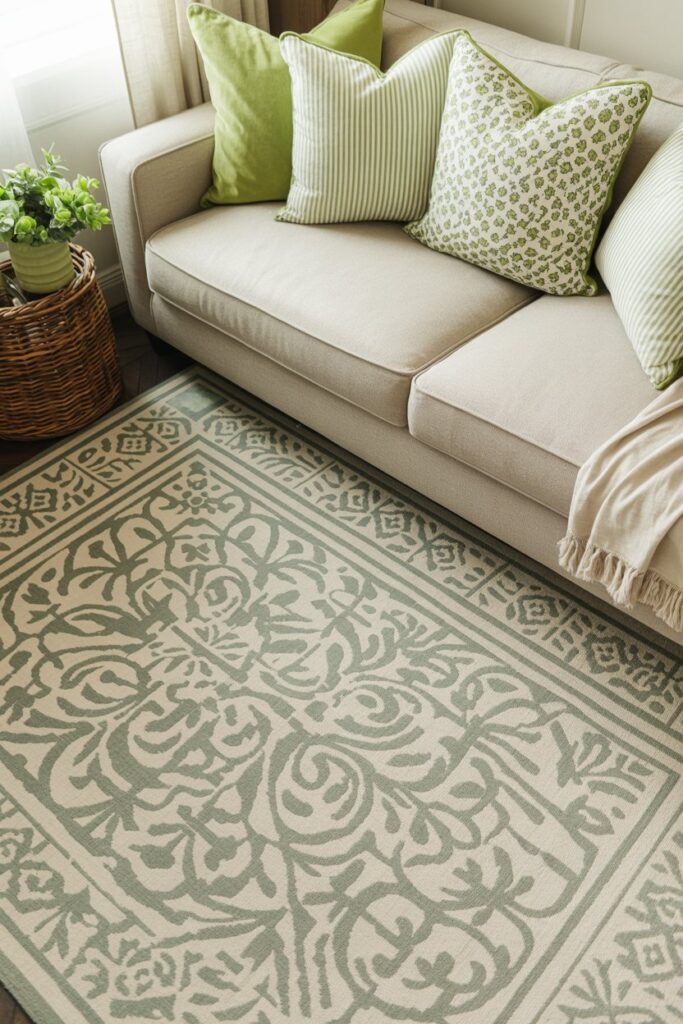
Sage green, being a gentle and accommodating color, is the perfect base for exploring pattern mixing without the space feeling chaotic. Its muted quality allows various patterns to coexist harmoniously, creating a lively, curated, and inherently cozy living room that reflects your personality. It invites comfort through visual interest and tactile variation.
You might start with a patterned rug that features sage green. Then, introduce different patterns through smaller textiles: striped throw pillows, floral curtains, or a geometric-patterned blanket. The key is to vary the scale of the patterns (mix large prints with small ones) and ensure they all share the common thread of the sage green hue.
13. Sage Green and Woven Textures
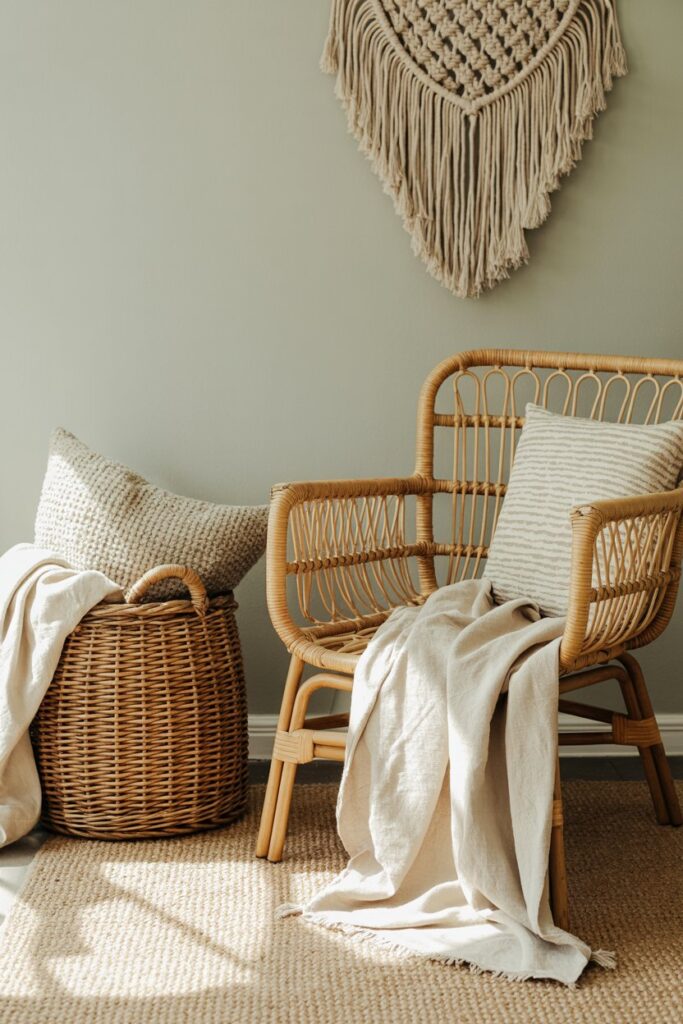
One of the most effective ways to enhance the cozy appeal of sage green is by pairing it with abundant woven textures. Materials like rattan, jute, wicker, macrame, and chunky knits naturally evoke feelings of warmth, craftsmanship, and comfort. When juxtaposed with the smooth, calming color of sage, they create a rich, tactile experience that’s deeply inviting.
Incorporate these elements throughout the room: a jute rug underfoot, rattan side tables or accent chairs, woven baskets for storage (and holding blankets!), and chunky knitted throws. The visual contrast between the smooth sage green surfaces (walls or furniture) and these complex, organic textures adds warmth and a relaxed, bohemian comfort that makes the living room feel truly cozy.
14. Sage Green and Sophisticated Grey
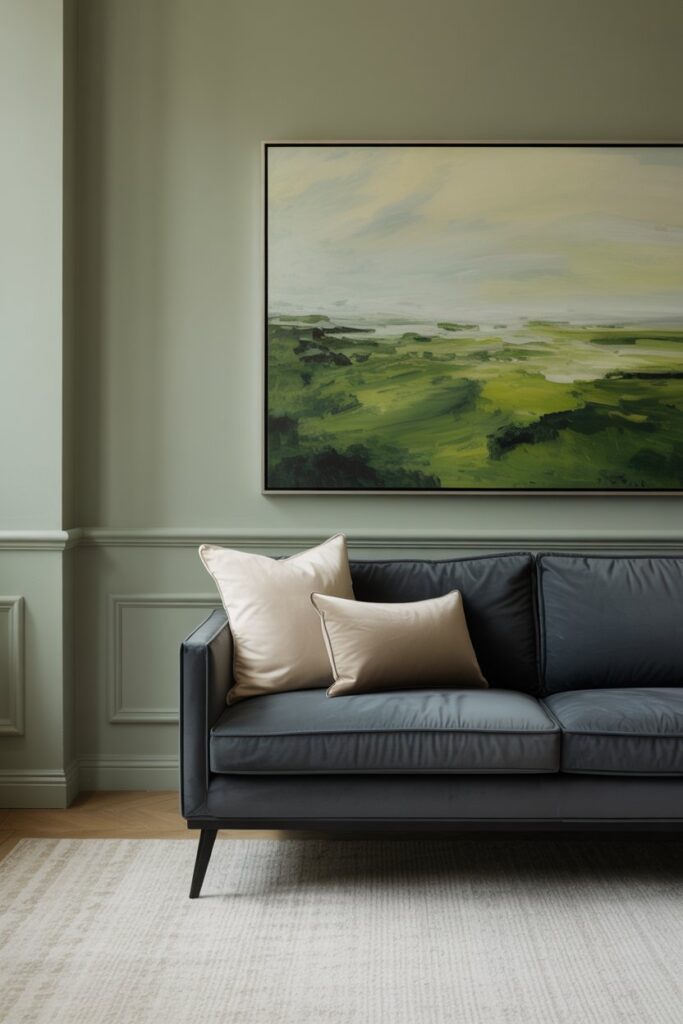
For a living room that feels simultaneously modern, sophisticated, and tranquil, combine sage green with varying tones of grey. Grey provides a sleek, neutral foundation, while sage green injects essential organic warmth and softness. The result is a balanced, serene space that is perfect for relaxation and feels effortlessly chic.
Consider using a light sage-grey hue on the walls. Complement it with darker grey furniture, like a charcoal or slate sofa. Integrate different textures, such as a soft wool rug and linen curtains, in both grey and sage tones. This monochromatic adjacent palette feels curated and calm, offering a cozy retreat from a busy world.
15. The Coziness of an All-Over Wash
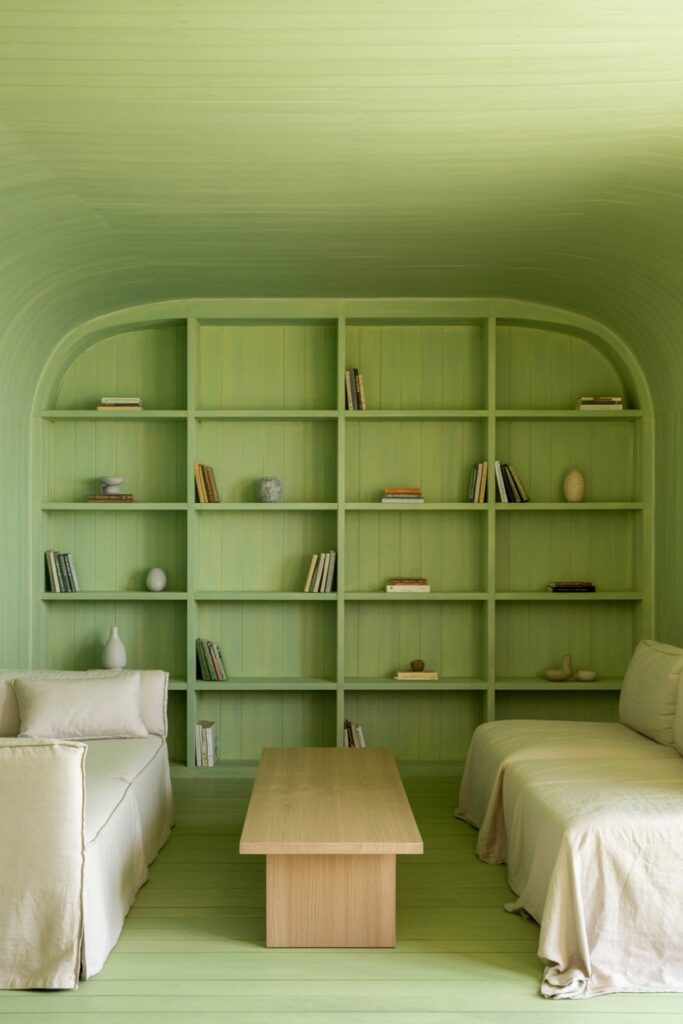
For a bold move that results in maximum cozyness, consider painting not just the walls, but also the trim, doors, and even the ceiling in the same uniform shade of sage green. This approach, known as “color drenching,” envelops you in the color, creating a seamless, cocoon-like environment that eliminates visual distraction and promotes intense relaxation.
To make an all-over sage green room feel inviting rather than overwhelming, choose a lighter, more muted shade. Use different finishes—matte for the walls, satin for trim—to add subtle definition. Counterbalance the color with plenty of neutral-toned furniture, natural textures like wood and jute, and abundant natural light to maintain balance and comfort.
16. Vintage Eclectic with Sage Green Anchors
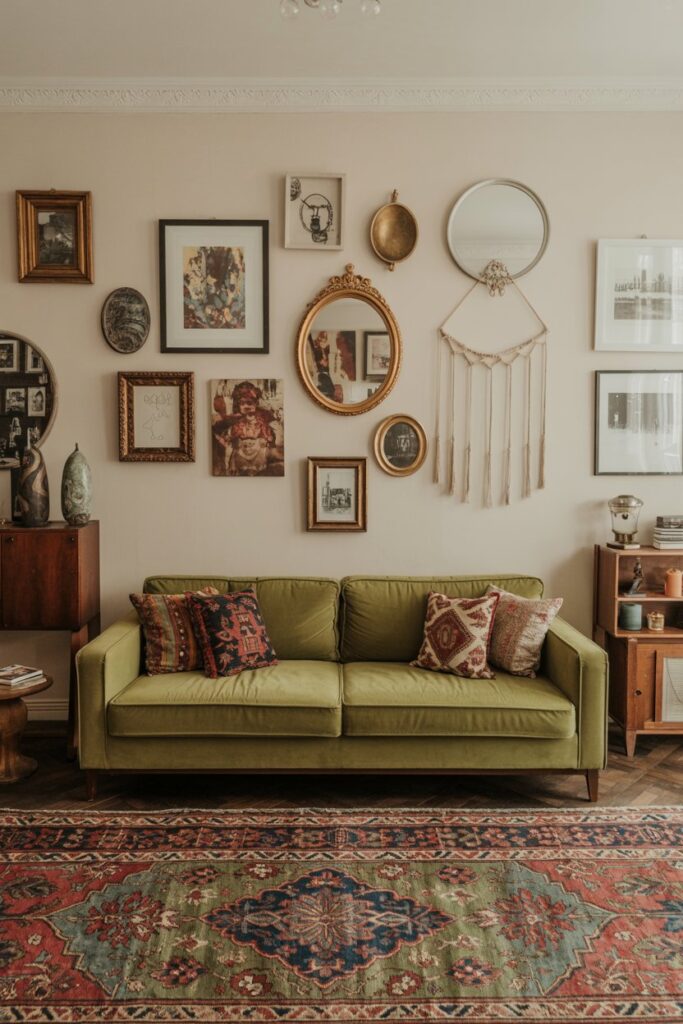
If your style is more bohemian, thrifted, and full of personality, sage green can serve as a calming, grounding anchor for your eclectic collection. This gentle hue provides a soothing backdrop that ties together disparate styles, periods, and patterns, preventing the room from feeling chaotic and instead fostering a curated, cozy, and deeply personal atmosphere.
Use sage green on the largest surfaces—the walls or a large sofa. Then, feel free to introduce your eclectic treasures: vintage rugs, mismatched armchairs, gallery walls of diverse art, and unique decorative objects. The sage green provides the necessary calm for your creative spirit to shine, resulting in a living room that is both exciting and profoundly comforting.
17. Industrial Softness: Sage Green and Exposed Elements
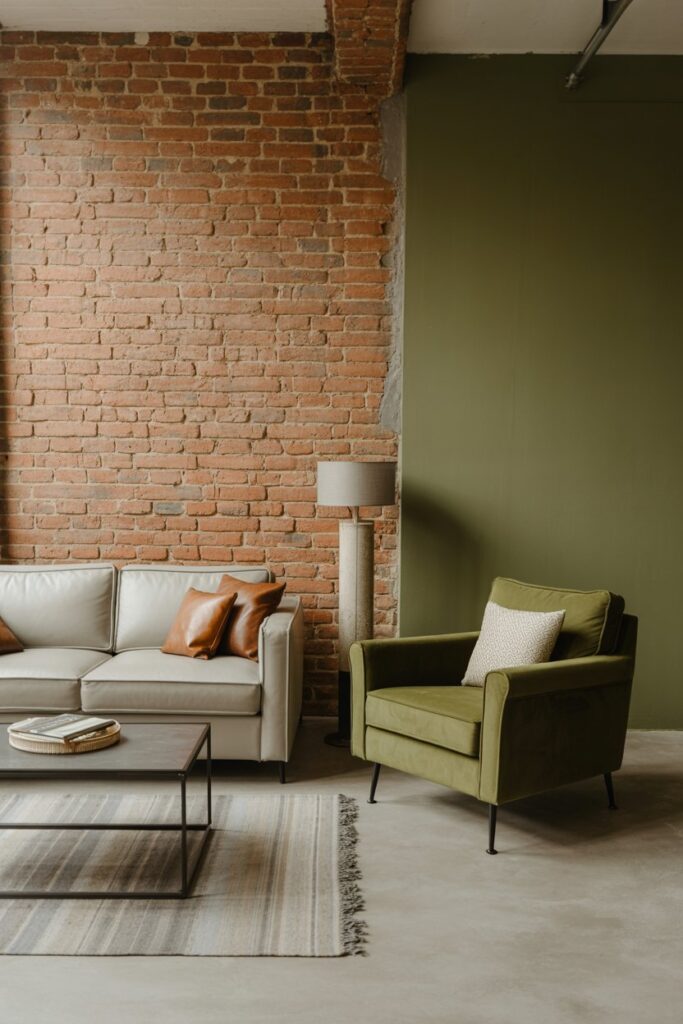
Industrial design, characterized by exposed brick, concrete floors, and metal accents, can sometimes feel cold. Introducing sage green is an effective way to inject essential organic warmth and softness into this aesthetic, transforming a harsh industrial space into a surprisingly cozy and livable sanctuary without losing its edgy character.
The juxtaposition is key. Paint one prominent wall or choose a large upholstered piece in sage green to counter the raw textures of brick and concrete. Add plenty of plants and natural wood elements. The soothing green hue balances the industrial hardness, resulting in a unique, modern, and inviting living room that’s perfect for relaxation.
18. Coastal Calm: Sage Green and Crisp White
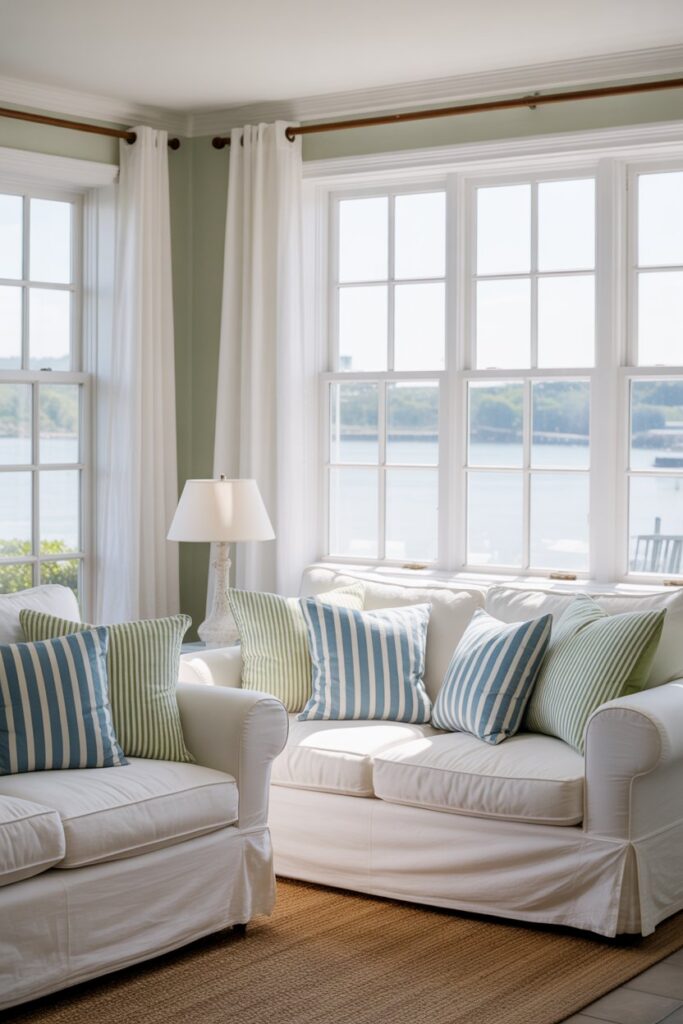
If your idea of cozy is tied to the freshness and serenity of the beach, adapt sage green into a coastal color palette. In this context, sage green replaces typical seafoam or blue-greys, offering a slightly earthier, more grounded alternative that is equally calming. It evokes the feeling of a quiet coastal marsh or grassy dune.
To achieve this look, pair soft sage green (on walls or an accent chair) with abundance of crisp white. Think white slipcovered sofas, white curtains, and white-washed wood. Incorporate natural textures like rope, rattan, and light wood, perhaps with a few blue accents. The combination feels fresh, clean, and deeply relaxing—a year-round coastal retreat.
19. Traditional Comfort with Sage Green Elegance
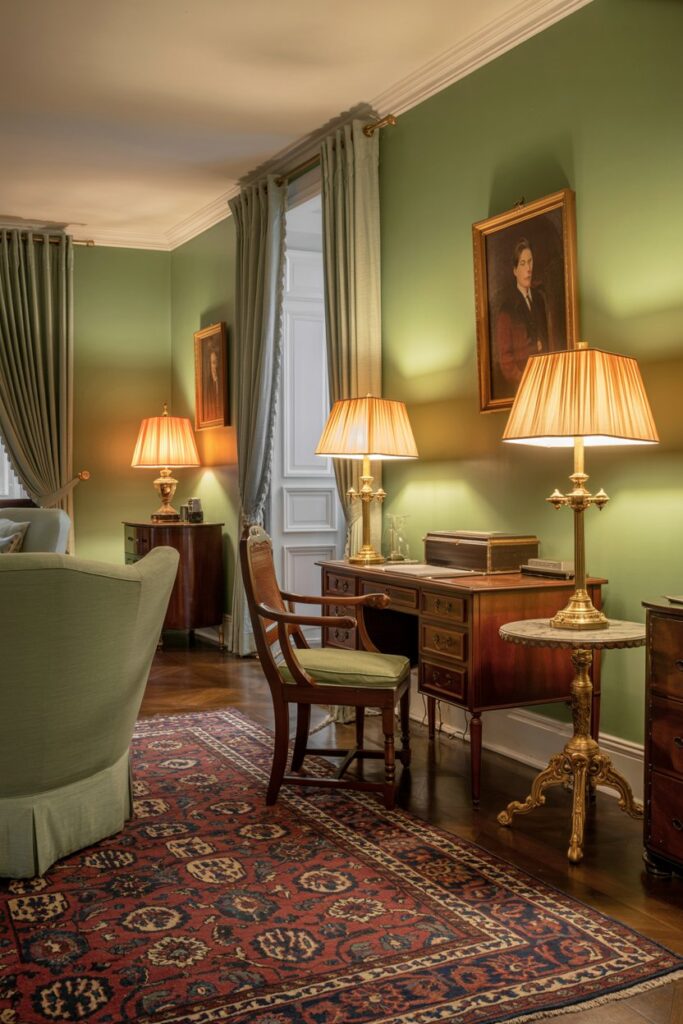
Sage green is a classic color that feels right at home in a traditionally designed living room. Its gentle, muted quality conveys a sense of timeless elegance and stability, creating a space that feels established, comfortable, and welcoming. It adds sophisticated color without being jarring or overly trendy.
In a traditional setting, pair sage green walls with classic furniture styles (like Chesterfield sofas or wingback chairs). Incorporate rich wood tones (cherry, mahogany), patterned rugs (Persian or Oriental), and brass or gold metallic accents. Use textures like velvet or leather. The resulting space is dignified, profoundly comfortable, and full of traditional warmth.
20. Layering Sage Green with Cozy Lighting
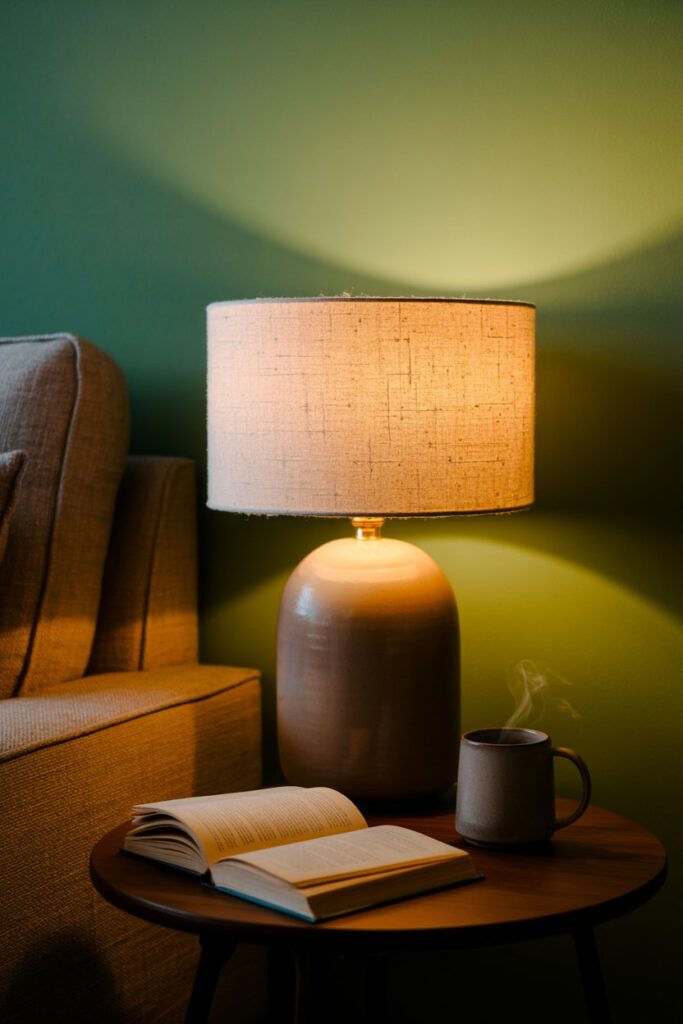
The most important element in creating any cozy space is lighting, and this is especially true when working with a calming color like sage green. Proper lighting enhances the hue’s soothing properties, making the room feel warm, intimate, and profoundly inviting, particularly during the evenings.
To achieve this, move beyond a single overhead light. Instead, layer different sources of warm light: table lamps on side tables, a floor lamp near a reading chair, and perhaps some subtle LED strip lighting on bookshelves. The warm glow interact beautifully with the muted green walls, deepening the sense of tranquility and comfort. Consider candles for an extra touch of coziness.