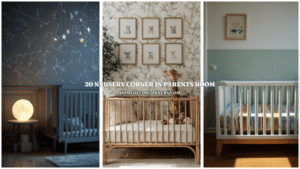


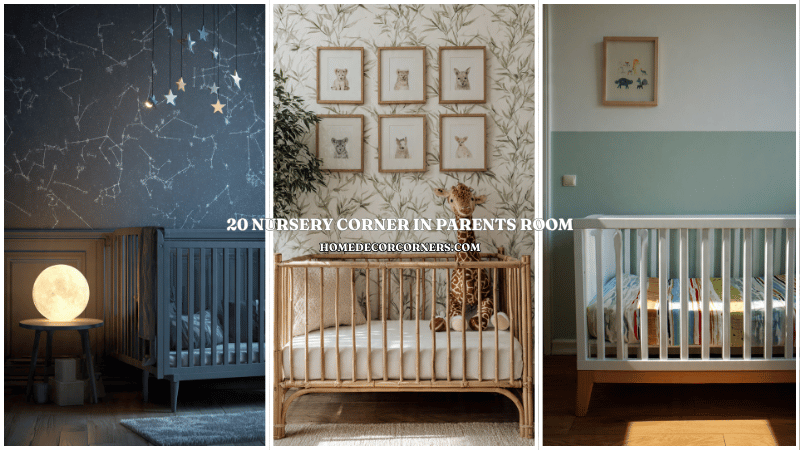
Designing a nursery corner in your master bedroom is a brilliant way to keep your newborn close while maintaining the style of your personal sanctuary. Whether you are dealing with a compact apartment or simply prefer the convenience of room-sharing, these ideas focus on blending baby essentials with adult aesthetics.
Here are 20 inspired nursery corner ideas to help you create a functional and beautiful space for your little one.
1. The Minimalist Monochrome Nook
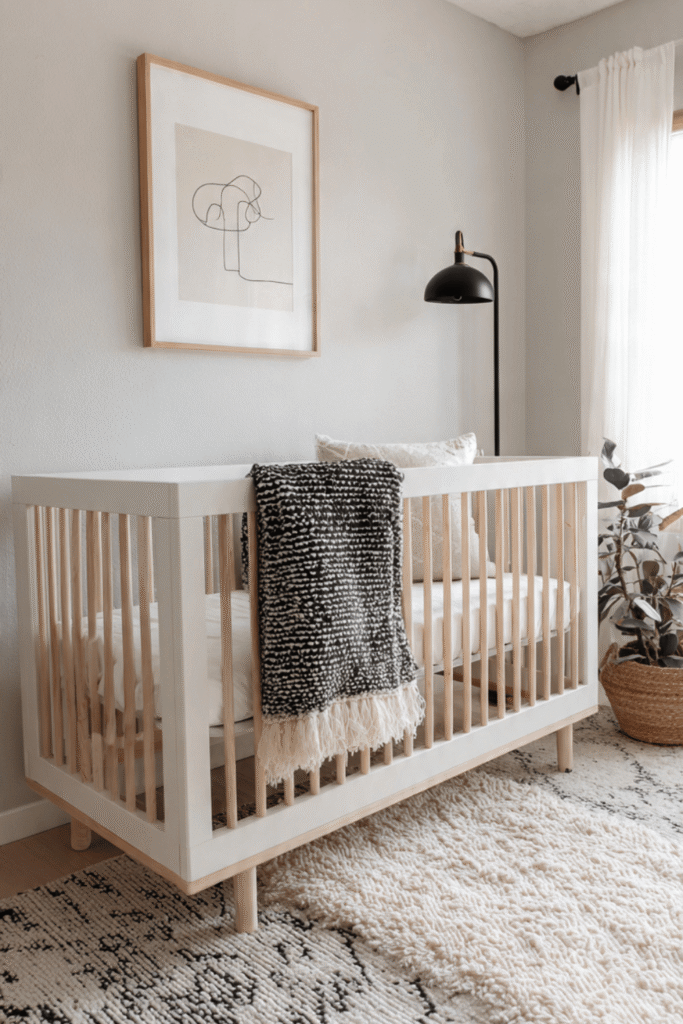
Creating a minimalist monochrome nook allows the baby’s gear to blend seamlessly into a modern adult bedroom without adding visual clutter. By sticking to a strict palette of white, gray, and black, you ensure that the nursery furniture feels like an intentional extension of your existing decor rather than a temporary or distracting addition to the room.
To maximize this look, choose a crib with clean lines and avoid bulky hardware that might disrupt the flow of the space. Add a soft, textured rug in a solid neutral tone to define the baby’s area while keeping the atmosphere calm. This approach is perfect for parents who value a serene, uncluttered environment for both rest and infant care.
2. Scandinavian Natural Wood Retreat
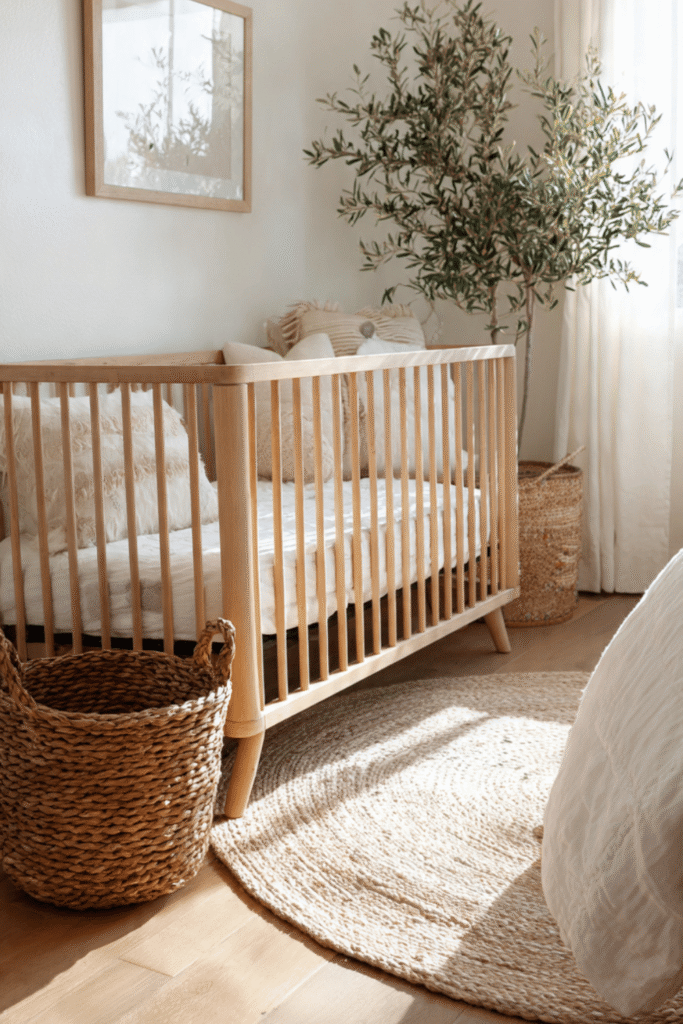
The Scandinavian style is ideal for shared spaces because it emphasizes natural materials and airy layouts that make small corners feel much larger. Utilizing light-colored woods like birch or oak for the crib creates a warm, organic feel that complements almost any master suite. This aesthetic focuses on simplicity, functionality, and a deep connection to nature.
Incorporate soft textiles like organic cotton sheets and a wool knit blanket to add layers of comfort without overwhelming the room’s design. A single wooden shelf above the crib can hold a few curated board books or a small clock. This setup provides a peaceful transition for the baby while maintaining a high-end, designer look for the parents.
3. The Moody Botanical Corner
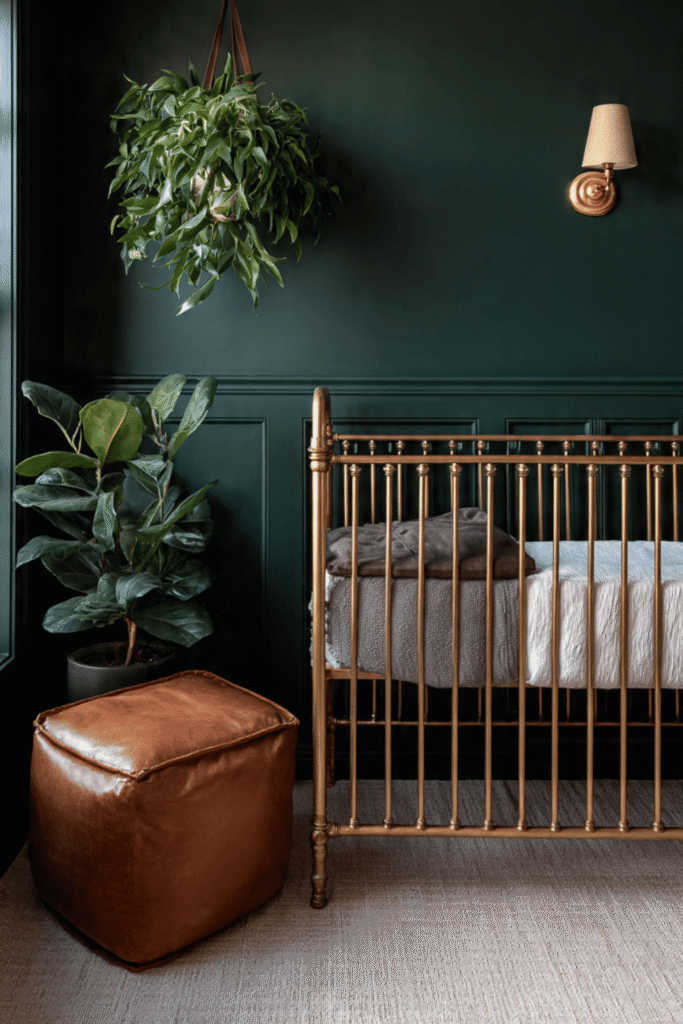
If your bedroom features deeper tones, a moody botanical corner can add a touch of sophisticated drama while remaining cozy for a newborn. Use a dark accent wall in emerald or navy to anchor the space and make a metallic crib pop. This style feels incredibly luxurious and transitions well as the baby grows into a toddler.
To soften the bold colors, integrate botanical prints or actual indoor plants that are safe for nurseries, such as ferns or palms. Gold or brass accents in the lighting and hardware add a vintage charm that bridges the gap between nursery and master bedroom. It’s a stylish way to embrace color while keeping the overall vibe mature and elegant.
4. Space Saving Mini Crib Setup
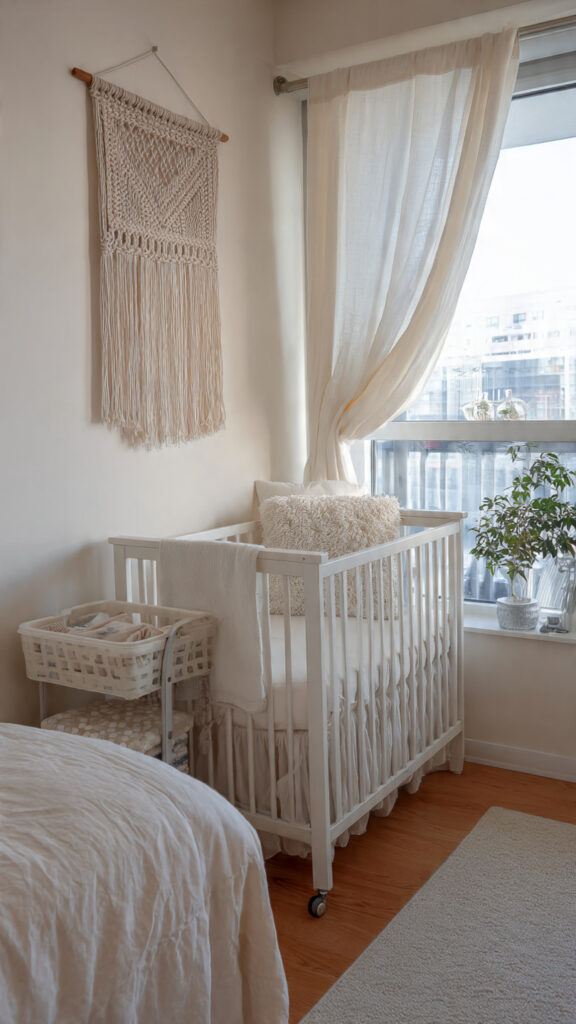
When floor space is at a premium, a mini-crib is the ultimate solution for keeping your baby within arm’s reach without sacrificing walking paths. These smaller frames offer the same safety and comfort as standard cribs but take up significantly less room. Placing one bedside allows for easy nighttime soothing while maintaining the bedroom’s original furniture arrangement.
Pair the mini-crib with a slim rolling utility cart to store essentials like wipes, diapers, and burp cloths efficiently. This keeps the area organized and prevents “baby creep” from taking over your nightstand or dresser. It is a practical, clever choice for urban dwellers or those with smaller master suites who still want a dedicated, stylish nursery zone.
5. Farmhouse Rustic Charm
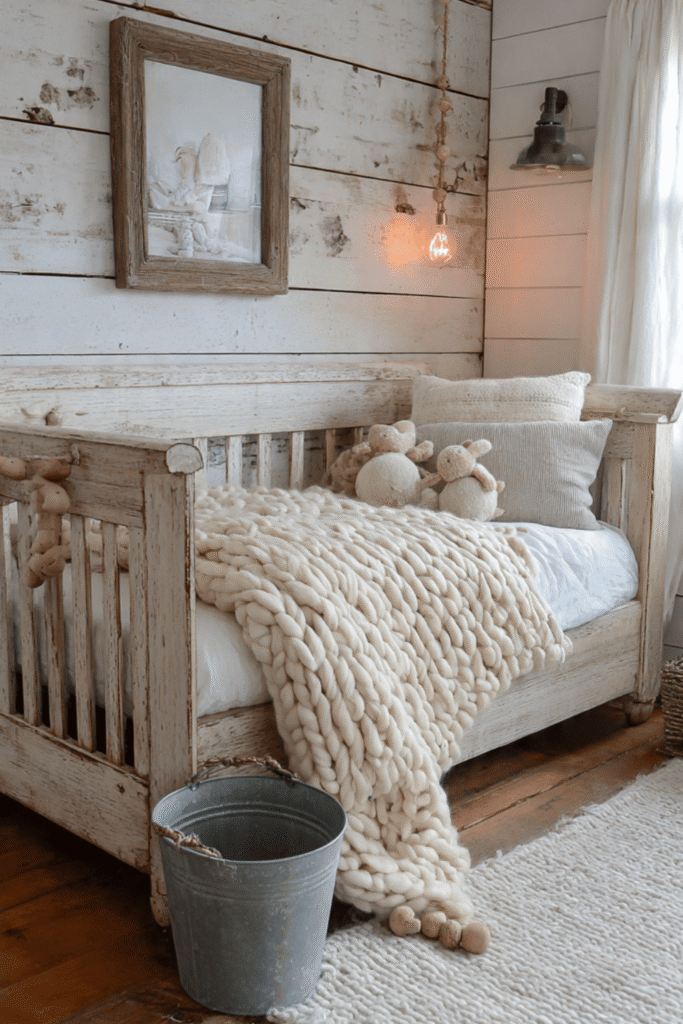
Bringing farmhouse charm into your bedroom nursery creates a lived-in, cozy atmosphere that feels both timeless and incredibly sturdy for a growing family. Think about incorporating reclaimed wood elements, shiplap accents, and antiqued finishes to give the corner a sense of history. This style excels at making even the newest furniture feel like a part of the home.
Focus on textures like burlap, linen, and chunky knits to enhance the rustic feel of the space. A large wicker basket can serve as a stylish hamper or toy bin, keeping the floor clear of clutter. By using a neutral palette of creams and tans, you ensure the farmhouse nursery corner looks cohesive with your master bedroom’s existing country-inspired decor.
6. Bohemian Rattan Retreat
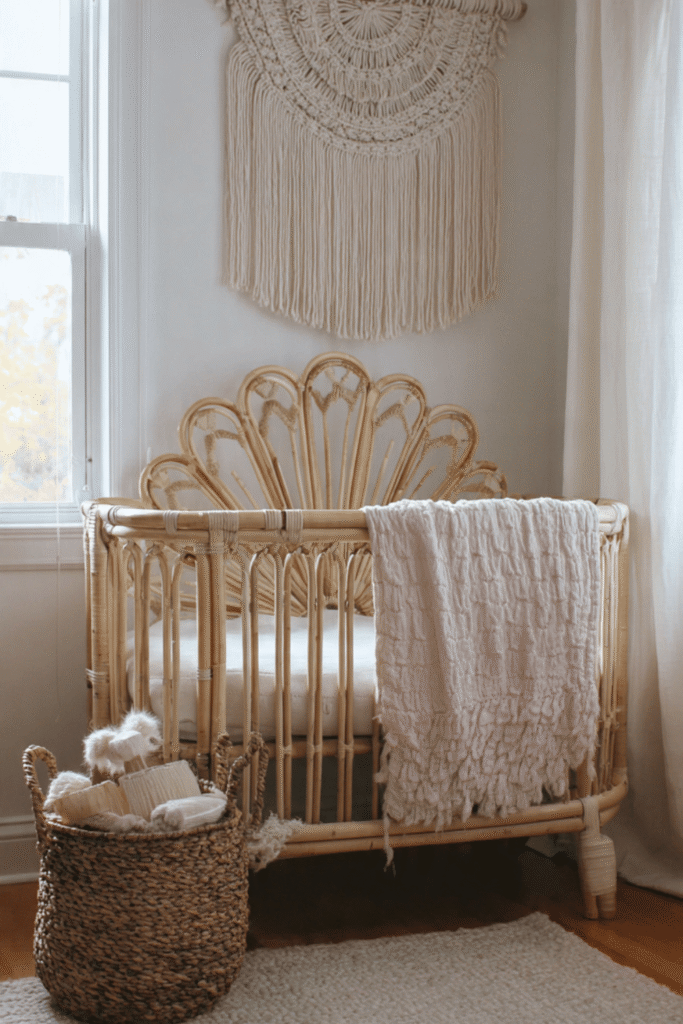
Embrace a relaxed, free-spirited aesthetic by introducing natural rattan textures into your nursery corner. Rattan furniture, like a stylish bassinet or crib, adds warmth and organic beauty without feeling heavy. It easily complements bohemian-leaning master bedrooms, creating a serene environment that balances adult sophistication with whimsical baby charm.
Integrate soft textures like cotton muslin swaddles and a plush rug to define the area. A hanging macrame plant holder or an oversized feathered wall decoration adds the necessary boho flair. This style excels at feeling curated and collected, allowing you to seamlessly blend the baby’s new items with your existing, globally inspired decor.
7. The Sophisticated Gilded Corner
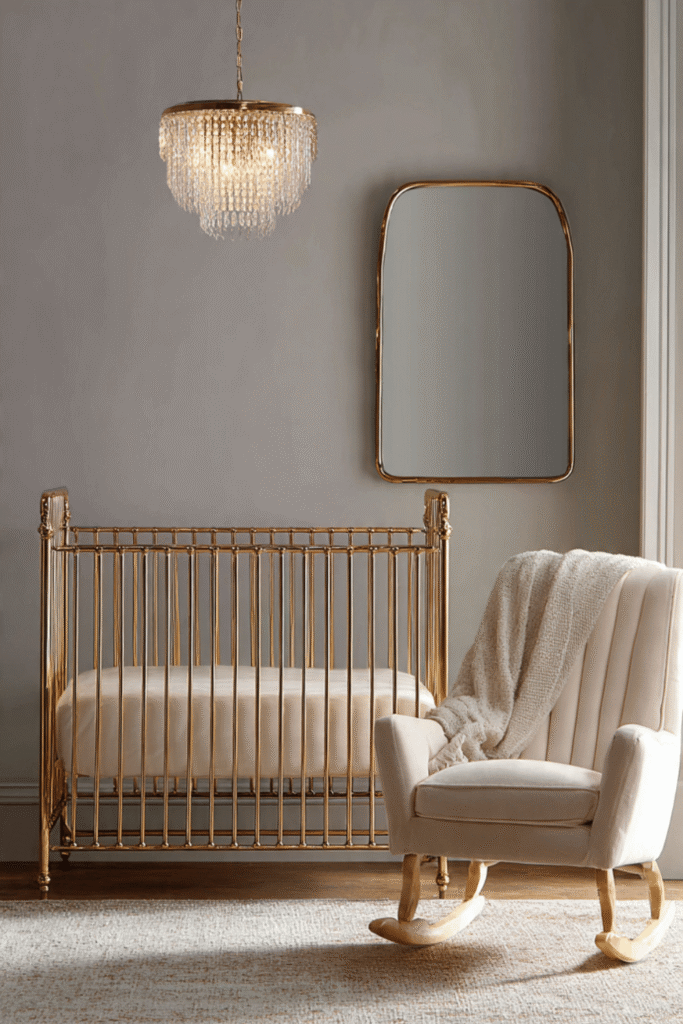
If your master bedroom features glamorous accents, extend that luxury to your nursery nook with a sophisticated gilded crib. Gold or brass metallic finishes immediately elevate the space, transforming a utilitarian object into a statement piece. This approach makes the nursery area feel less like an afterthought and more like an integral part of the room’s high-end design.
Keep the surrounding decor minimal to let the metallic shine take center stage. Pair the crib with rich fabrics like velvet in a neutral shade for a nursing chair or ottoman. By using simple, elegant lines in your storage solutions, you can maintain the upscale atmosphere while ensuring everything necessary for nighttime care is within easy reach.
8. The Smart Convertible Solution
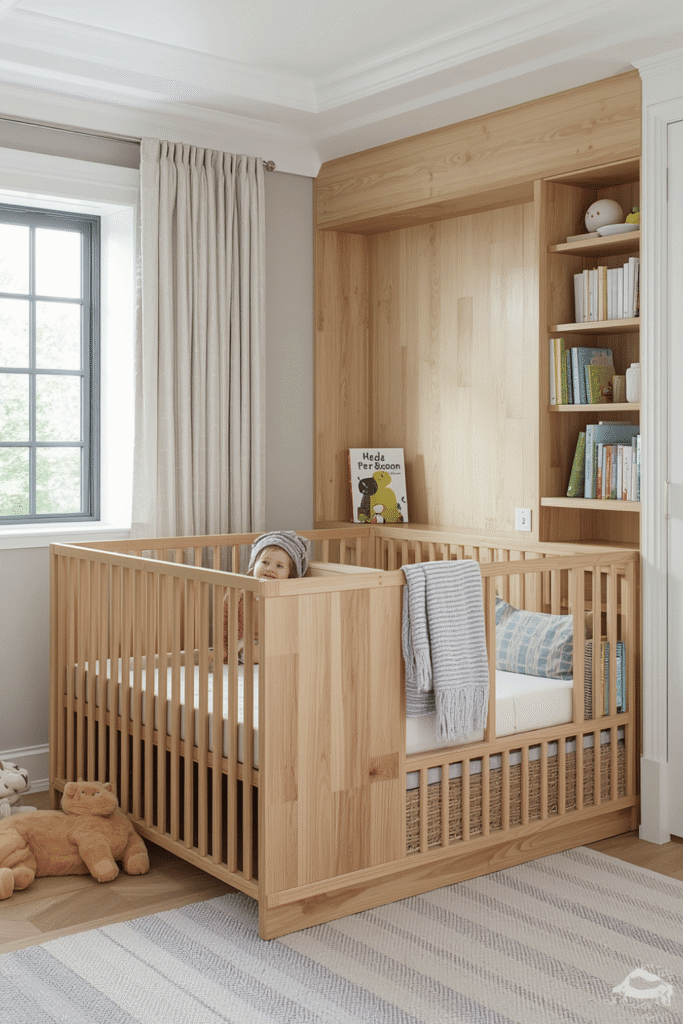
In a shared room, efficiency is key, and convertible furniture is a game-changer. Choose a crib that can evolve as your child grows, perhaps transforming from a bassinet to a full-sized crib, and eventually into a toddler bed or daybed. This longevity ensures that your initial investment serves you well and keeps your bedroom layout adaptable for years to come.
Many convertible options now include integrated storage like drawers or shelves, helping you save precious floor space. This all-in-one approach streamlines the nursery corner, making it feel less crowded and more organized. It’s the ultimate choice for practical parents who want their furniture to work harder and last longer in a constrained area.
9. Whimsical Woodland Nook
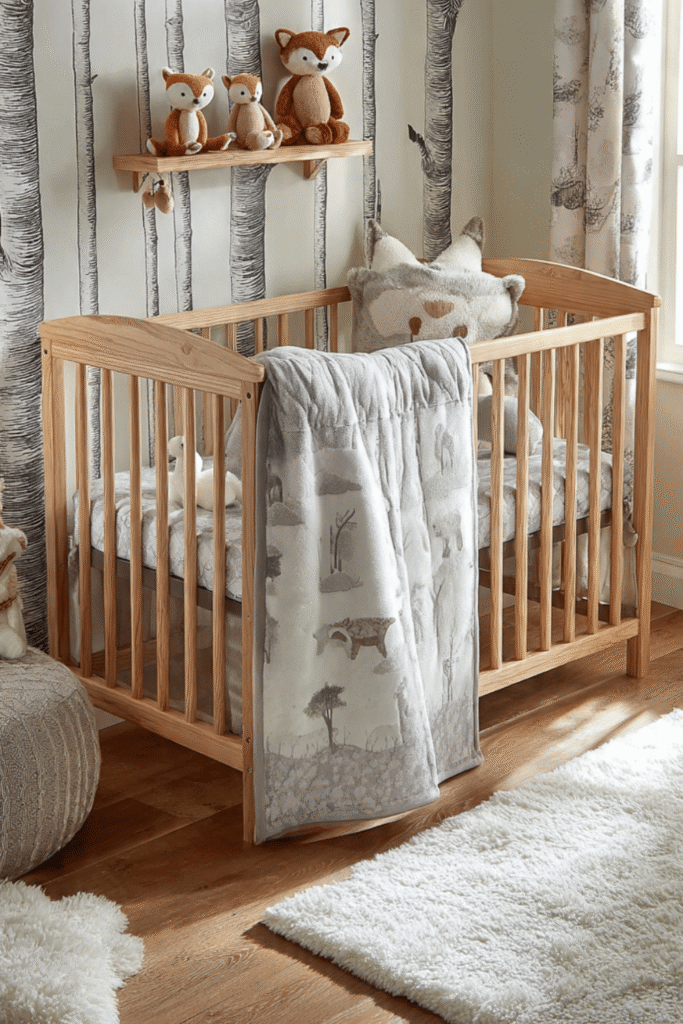
Bring a touch of magic to your bedroom with a whimsical woodland theme. This concept is perfect for a small corner as it focuses on charming details and natural textures rather than large, overwhelming pieces. Use a palette of sage green, soft browns, and cream to ground the area in nature-inspired hues that are soothing for sleep.
Incorporate subtle references to forest creatures through artwork, bedding, or small plush toys. A small, stylized tree wall decal can define the space without requiring any additional floor room. This theme is incredibly cozy and offers a gentle transition into childhood imagination while remaining gentle on the overall aesthetic of your master bedroom.
10. Minimalist All White Brightness
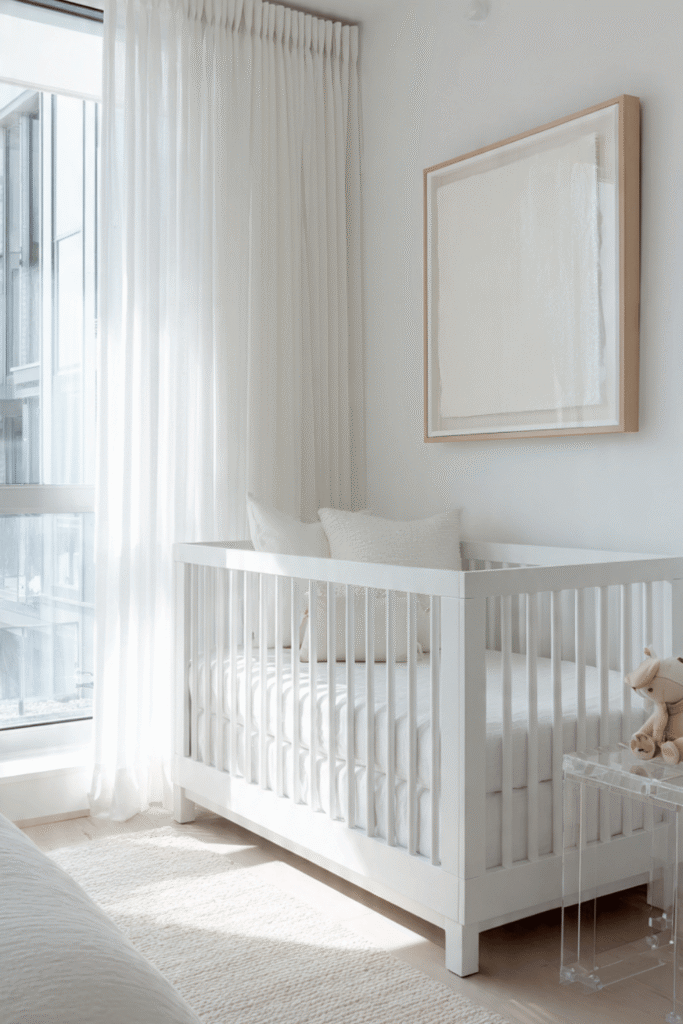
For a truly unobtrusive nursery corner, embrace the clean aesthetic of an all-white setup. White furniture vanishes visually against white walls, making the baby’s area feel almost weightless in a master bedroom. This approach maximizes perceived space and light, creating an exceptionally peaceful environment that promotes rest for both you and your newborn.
Incorporate different textures—like a fluffy white rug, cotton crib sheets, and a white knit blanket—to prevent the all-white palette from feeling sterile. Acrylic or clear furniture pieces, like a small side table, further enhance the feeling of open space. This minimalist strategy is perfect for parents who crave tranquility and a visually uncluttered sanctuary.
11. Classic Navy and Gold Elegance
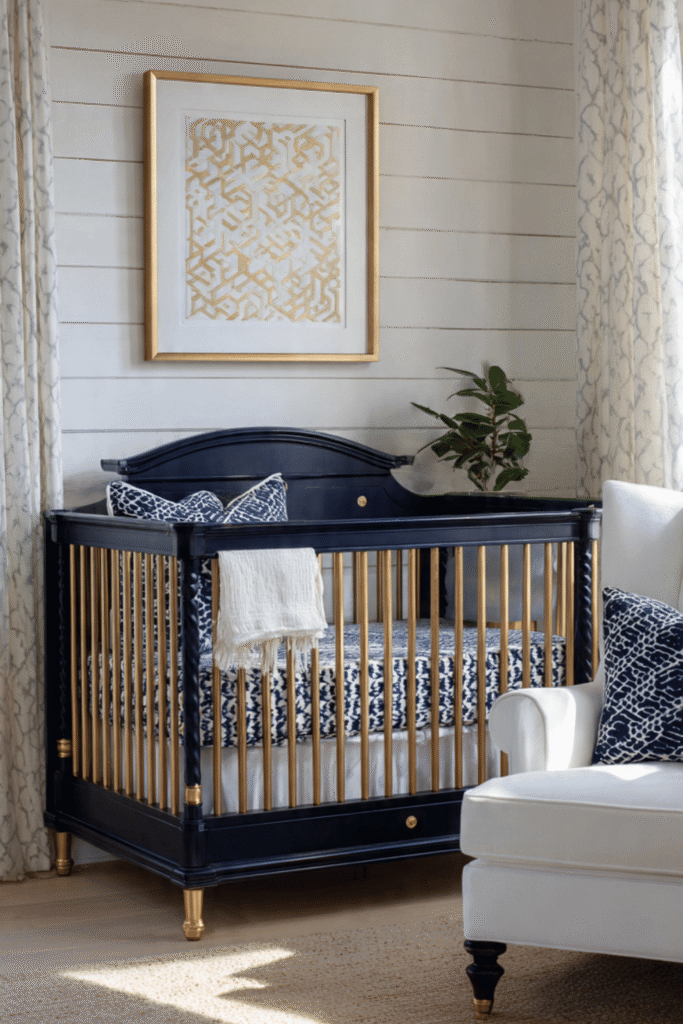
If your bedroom has a classic or slightly preppy style, a navy and gold nursery corner adds immediate sophistication. Deep navy blue is a versatile neutral that looks crisp against white walls and pairs beautifully with brass hardware. This color combination is timeless and gender-neutral, allowing it to transition seamlessly as your family grows.
To soften the look, balance the bold blue with light textiles in cream or white. Use gold accents sparingly in lamps, picture frames, or drawer pulls for a touch of refined luxury. This setup feels intentionally designed and mature, ensuring the baby’s space complements, rather than competes with, the elegant atmosphere of your master bedroom.
12. Mid Century Modern Inspired
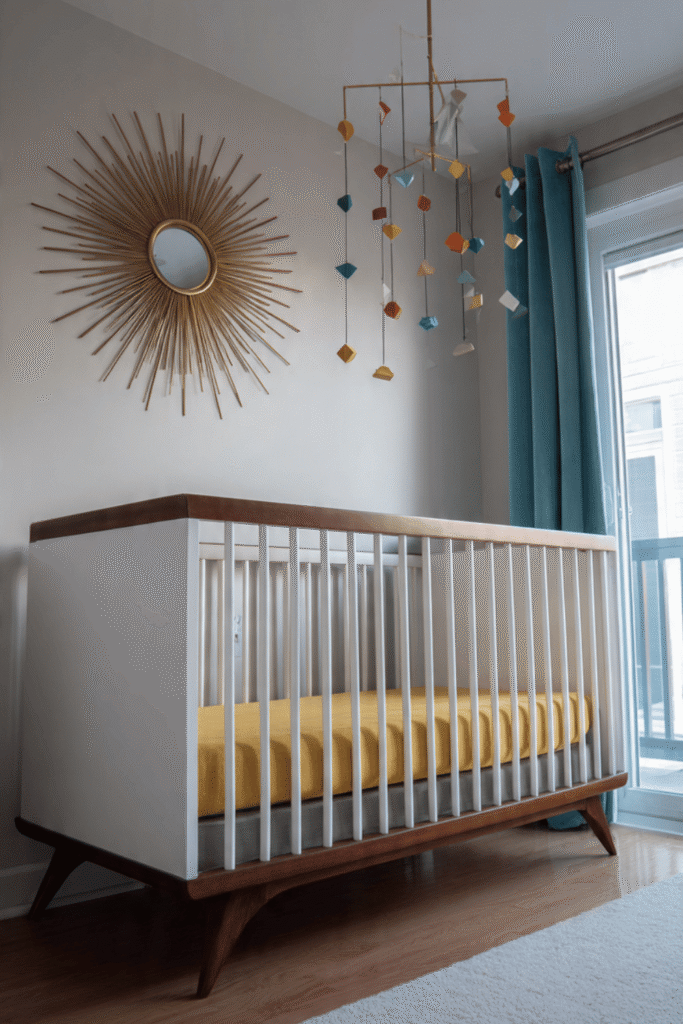
The clean lines and organic shapes of mid-century modern design are perfect for shared spaces. Look for a crib with iconic tapered legs and perhaps a combination of wood finishes and white or gray panels. This aesthetic is inherently stylish and feels less “baby-centric,” allowing the furniture to blend effortlessly with a curated adult bedroom.
Incorporate retro-inspired prints in your bedding or wall art, using a limited color palette of mustard, teal, and warm wood tones. A simple, geometric mobile can add a touch of playfulness without overwhelming the space. This mid-century approach is ideal for design-conscious parents who want to maintain their sophisticated home aesthetic while welcoming a new arrival.
13. Vertical Space Optimization
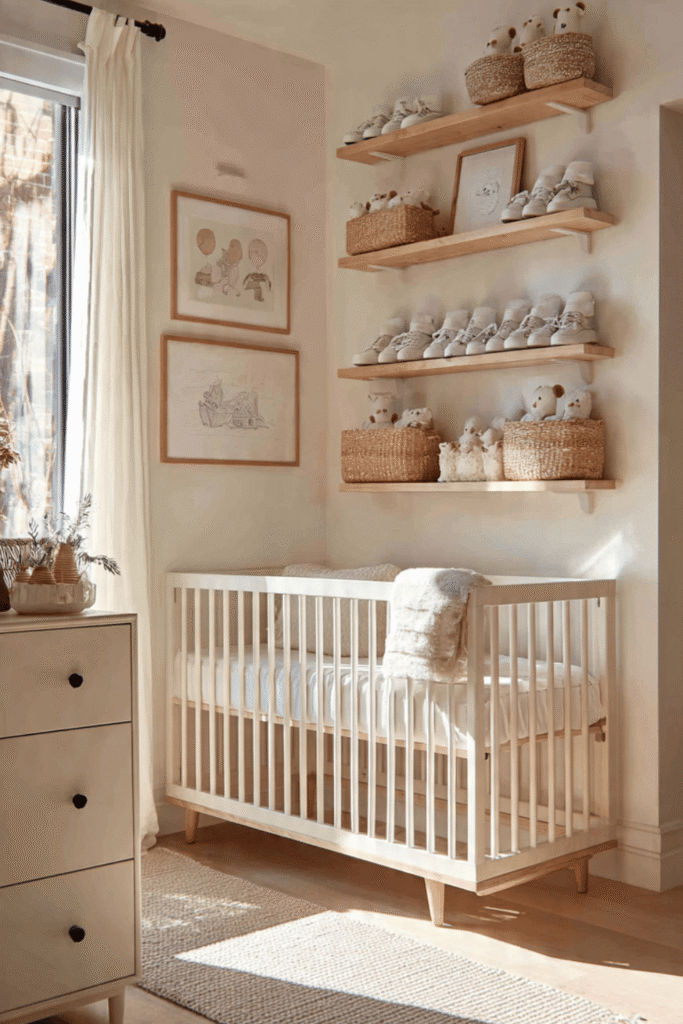
When floor space is limited, the only way to go is up. Utilize the wall space above and around the crib to maximize storage and personalization. Floating shelves can hold essentials like lotion and thermometers, while also showcasing cute decor. This clever strategy keeps the floor clear of clutter and makes the nursery corner feel integrated into the room’s architecture.
Install wall hooks for hanging often-used items like towels or sleep sacks. Use baskets on upper shelves to contain less frequently needed supplies. By thinking vertically, you create a fully functional nursery zone that requires minimal square footage, perfect for cozy bedrooms where every inch counts.
14. Gentle Jungle Safari Theme
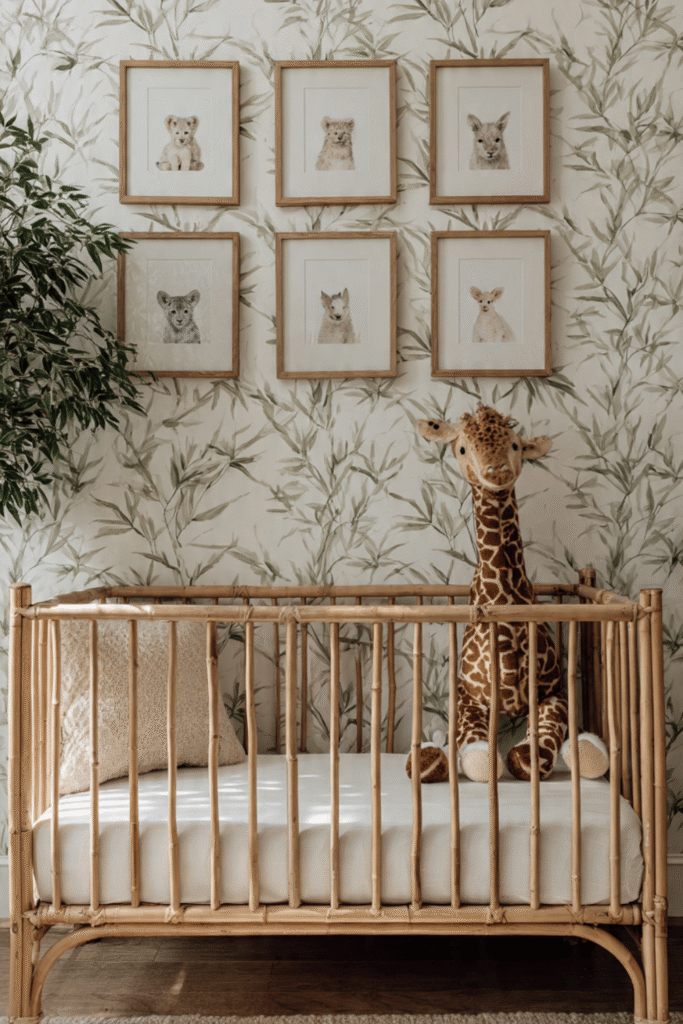
Transform your nursery nook into a gentle jungle safari with subtle leaf patterns and friendly animal motifs. A bamboo or natural wood crib sets the organic tone. This theme can be kept very sophisticated by using muted greens, creams, and natural fibers, rather than bright, cartoony colors.
Integrate the theme through textiles like a soft musln blanket featuring watercolor animals. Framed, minimalist animal illustrations add a touch of whimsy without clutter. This approach creates a calming and exploratory atmosphere for your baby while keeping the overall aesthetic grounded and natural in your shared bedroom space.
15. The Color Blocked Accent Wall
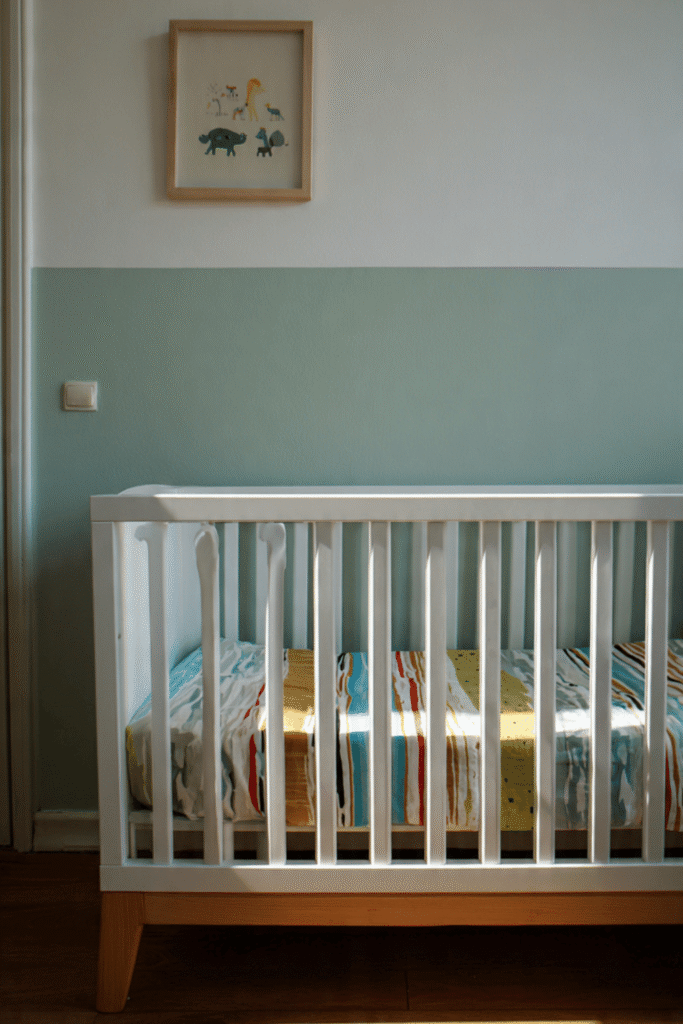
Use paint strategically to define the nursery corner without physically separating it. A simple color-blocked accent wall—perhaps a soothing sage green, dusty blue, or warm terracotta—instantly creates a designated “baby zone.” This visual cue helps organize the room’s function without breaking the flow of the master bedroom.
Keep the furniture simple, using white or natural wood to make the accent color pop. Bring in small touches of coordinating colors through bedding and accessories to tie the look together. This is a budget-friendly and reversible way to add character and distinct zones to a shared space.
16. The Dresser Changer Combo
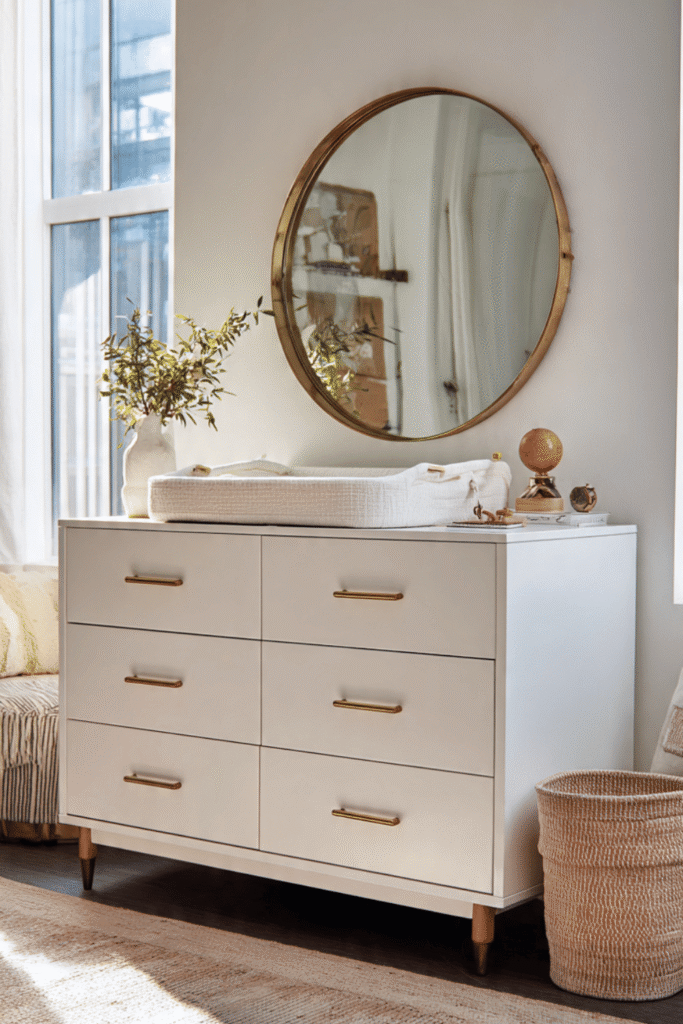
In small shared spaces, every piece of furniture must multi-task. A sturdy dresser can easily serve as a changing table with the simple addition of a secure changing tray and a comfortable pad. This eliminates the need for a bulky, separate changing station, saving valuable square footage in your master bedroom.
Use the top drawer of the dresser for immediate diapering supplies, keeping the surface clear of clutter. Choose a dresser that complements your existing bedroom suite to ensure visual harmony. This practical solution streamlines your routine and maintains the room’s overall function as a relaxing retreat for parents.
17. The Whimsical Celestial Nook

Create a dreamlike atmosphere for your little one with a whimsical celestial theme. This concept works beautifully in a bedroom by utilizing calming colors like deep blues, grays, and metallics. A subtle constellation wallpaper or simple star decals can define the corner without overwhelming the entire space.
Incorporate glowing elements like a moon-shaped nightlight and a mobile featuring stars and clouds. Soft, velvety textures in silver and midnight blue enhance the cozy, night-sky feel. This theme promotes peaceful rest for the baby and adds an enchanting, sophisticated touch to your shared sanctuary.
18. The World Traveler-Inspired Corner

Fuel early wanderlust with a nursery corner inspired by global adventures. Use travel-themed decor like a stylized world map wall decal, antique-looking suitcases for storage, or vintage airplane models. A palette of deep blues, sepia tones, and warm brass accents works well to keep the look sophisticated and cohesive in an adult bedroom.
Look for textiles with subtle globetrotter patterns or woven textures from around the world. A framed travel print or a collection of small compasses can add charming details. This theme celebrates exploration and curiosity, creating a unique and personalized space for your baby within your master suite.
19. Textile-Focused Coziness (Hygge)
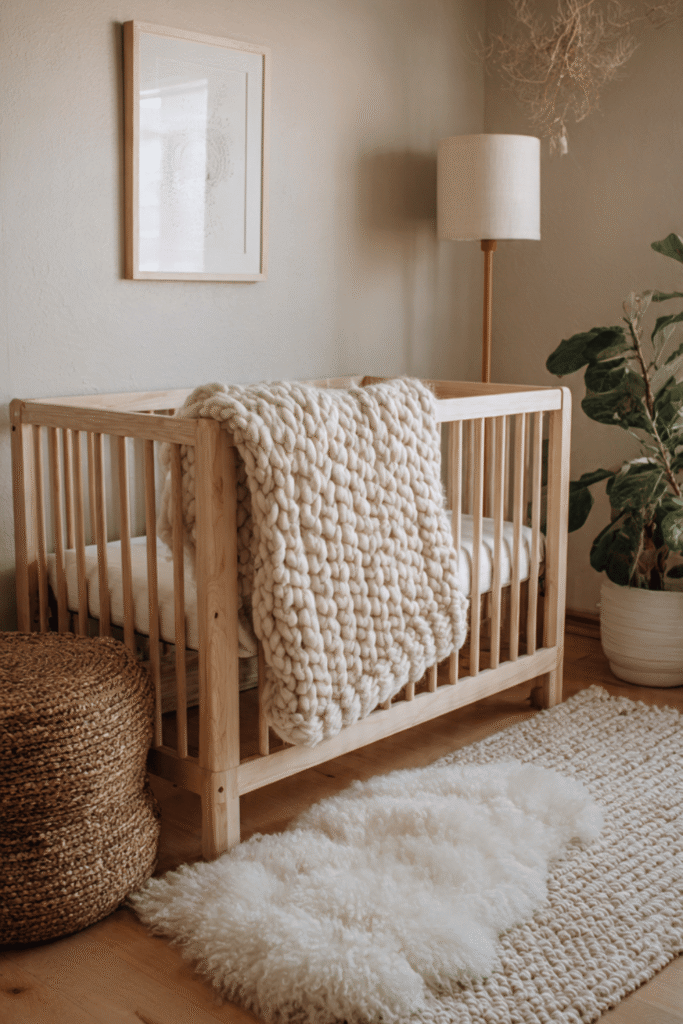
Focus entirely on comfort by creating a nursery corner centered around soft, luxurious textiles. Embrace the Danish concept of hygge by layering different materials. A soft wool rug, a chunky knit throw over the crib rail, and organic cotton sheets immediately make the space feel warm, safe, and incredibly inviting for both parent and child.
Choose a simple, natural wood crib that doesn’t compete with the textures. A soft-glow lamp adds the final cozy touch. This approach isn’t about complex themes but rather about tactile comfort and emotional well-being, creating a serene and nurturing environment in your shared bedroom.
20. The Ultimate Adaptable Corner
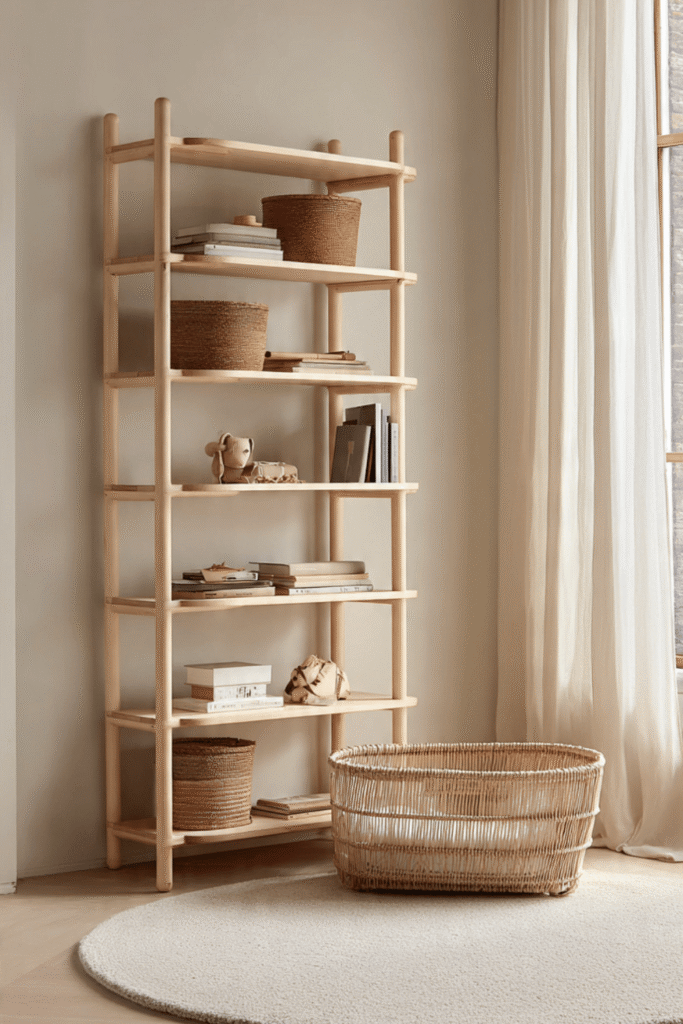
Design for future flexibility with a nursery corner centered on modular elements. Use adjustable shelving systems, rolling carts, and multifunctional furniture that can be easily rearranged. This ensures the space can evolve as your baby’s needs change, transitioning from a bassinet setup to a full crib area with ease.
Choose a neutral color palette of grays, whites, and natural wood tones to make updates simple and keep the space cohesive with your bedroom’s changing decor. A modular approach is the ultimate practical choice, allowing you to reconfigure the corner as needed while maintaining a stylish and organized shared environment.