

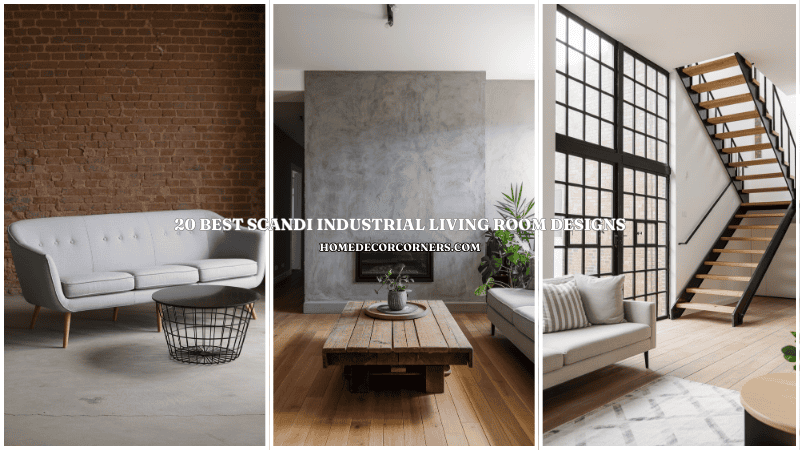
Welcome to the captivating world of Scandi Industrial, where the raw, rugged charm of urban industrial design meets the sleek, cozy functionality of Scandinavian aesthetics. This unique fusion creates spaces that are both effortlessly cool and undeniably inviting. If you’re ready to embrace a home that balances architectural history with modern comfort, this guide will walk you through 20 essential elements to create your dream Scandi Industrial living room. Prepare to discover how these seemingly contrasting styles can harmonize beautifully to create a space that is both stylish and lived-in.
1. The Power of Contrast: Raw Concrete & Warm Wood
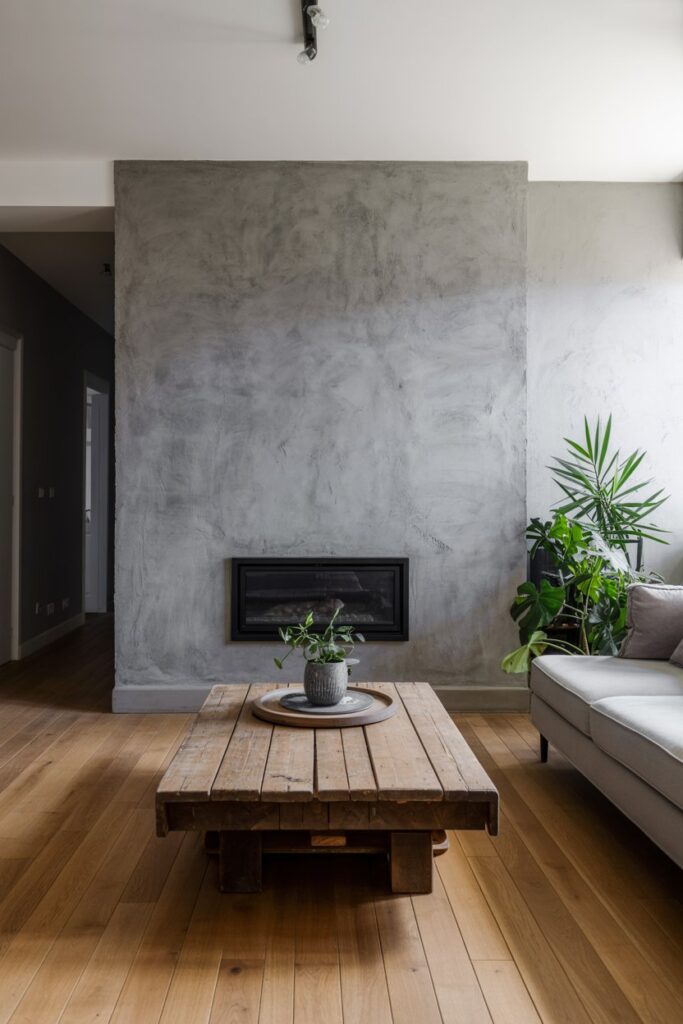
Start your Scandi Industrial journey by grounding your living room with powerful textures. A textured, raw concrete wall, whether left exposed or created with plaster, serves as a quintessential industrial element, evoking an urban, warehouse feel. However, the true Scandi Industrial magic happens when this cold, rugged surface is juxtaposed with the warmth of natural wood. Imagine beautiful, wide-plank oak flooring or a substantial coffee table crafted from rich, reclaimed barn wood.
This deliberate contrast immediately softens the industrial aesthetic, making it approachable and inviting. The wood brings in the Scandinavian love for nature and “hygge” (coziness), while the concrete provides the urban, architectural edge. Keep accessories minimal to allow these primary materials to be the focus. Add a soft wool rug to further define the space and provide a tactile bridge between the two powerful materials, ensuring the room feels balanced.
2. Sleek Metal Framed Lighting with Exposed Bulbs
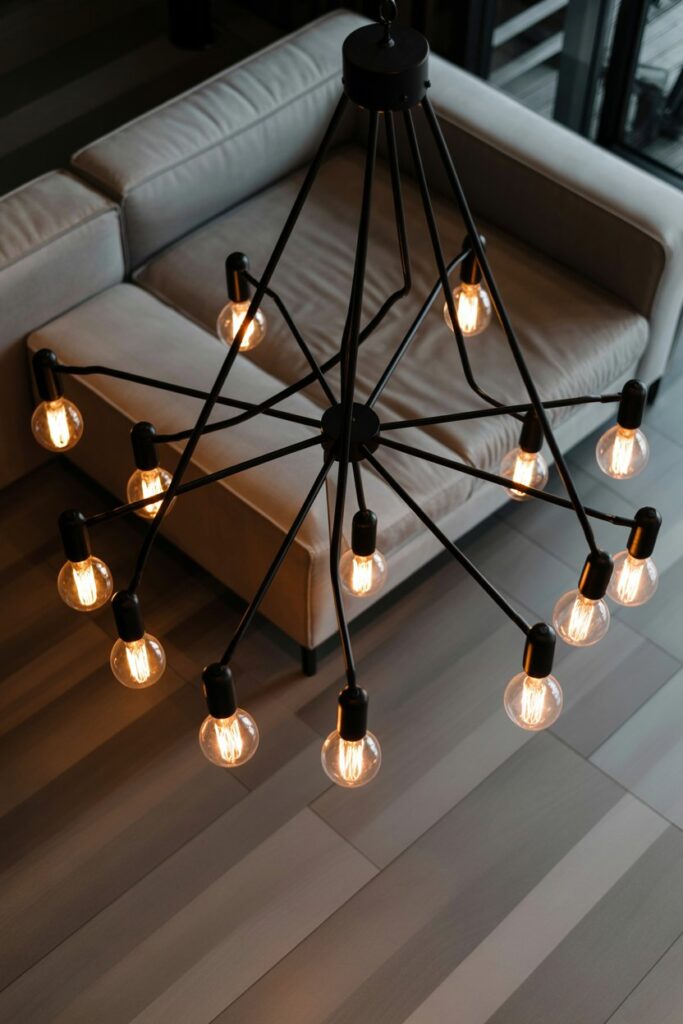
Lighting is paramount in any Scandi Industrial design, acting as functional art. To achieve this look, opt for lighting fixtures with sleek, linear metal frames, particularly in a matte black or gunmetal finish. Instead of conventional shades, look for designs that proudly showcase exposed, vintage-style filament or Edison bulbs. These unique bulbs offer a direct connection to industrial history and the early days of electrification.
Whether it’s a large, geometric chandelier hanging above the coffee table or multiple individual pendants suspended at varying heights, these fixtures should make a clear statement. The thin metal lines align with Scandinavian minimalism, while the exposed bulbs and raw materials provide the industrial grit. They create striking architectural interest during the day and cast a beautiful, warm, golden glow in the evening, ensuring your space feels cozy and sophisticated
3. Scandinavian Furniture on an Industrial Foundation
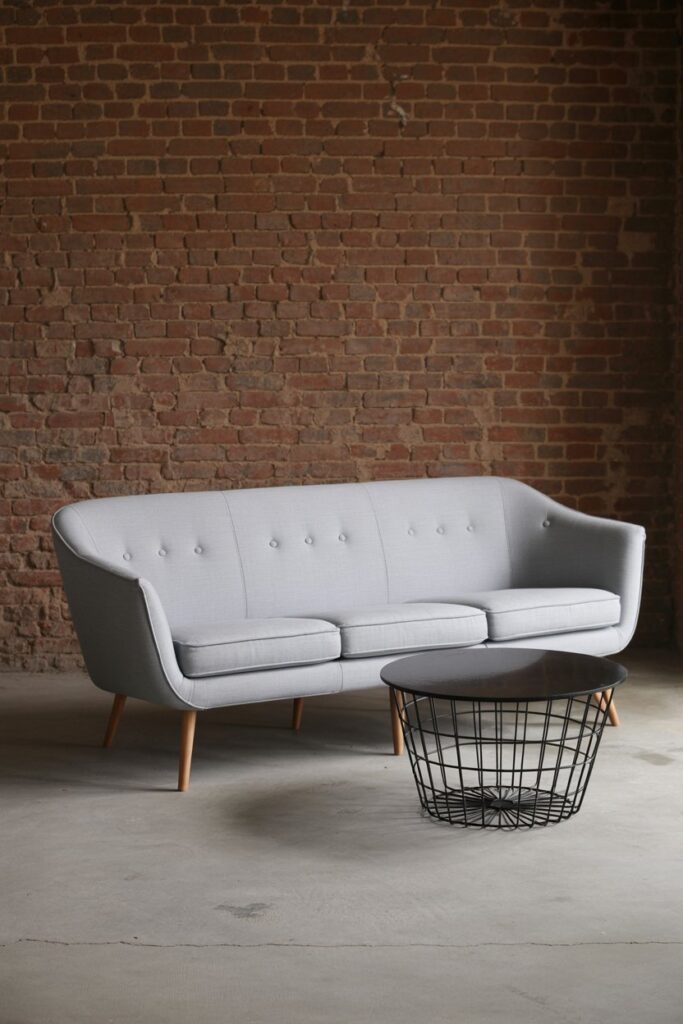
The foundation of this design strategy is using Scandinavian furniture within a robust industrial environment. Imagine placing a classic, light grey three-seater sofa with sleek, tapered wooden legs directly onto an unpolished, industrial concrete floor. Behind this sofa, an exposed red brick wall provides a textured, historical backdrop. This unexpected pairing immediately highlights the core principles of both styles: functionality and raw authenticity.
The minimalist lines of the sofa, typical of Nordic design, provide a clean contrast to the rough imperfections of the concrete and the brickwork. It demonstrates that cozy, curated comfort doesn’t need a traditional “finished” room to look exceptional. Complement this look with a simple wire-frame coffee table or a geometric metal shelf unit to maintain the industrial edge without cluttering the visual space.
4. Statement Steel Stairs and Black-Framed Windows
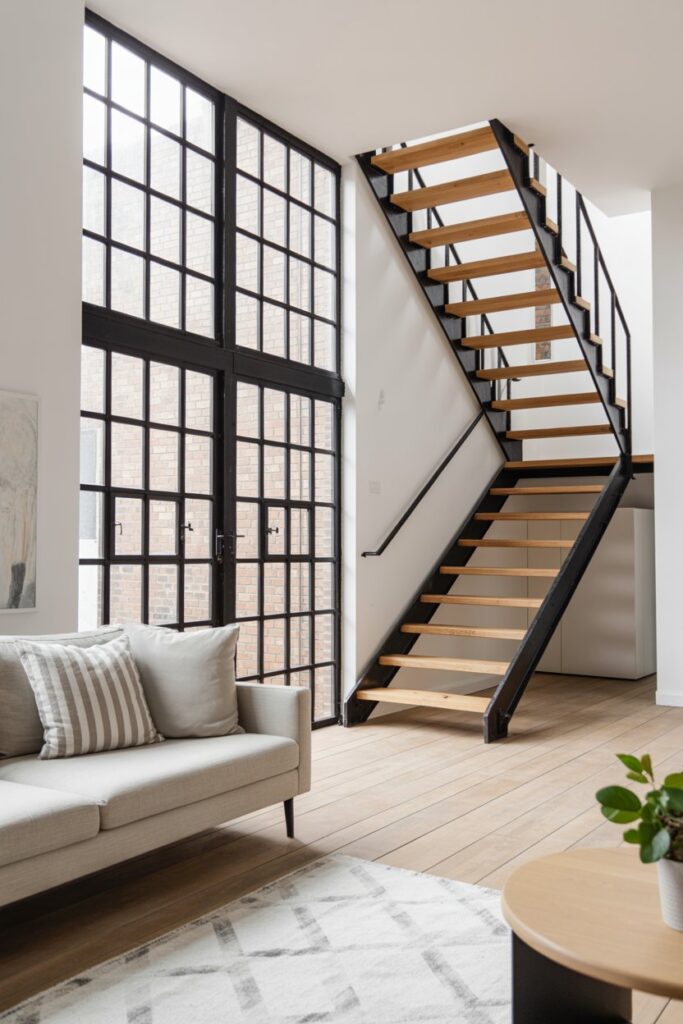
To truly elevate your space to architectural Scandi Industrial status, think bigger than just furniture. If your home allows, introduce major industrial features such as black-framed Crittall windows or a bold, steel staircase. These substantial elements immediately inject a sense of grand, urban architecture and structural authenticity. They act as permanent art pieces and a framework for your entire interior design.
These elements align perfectly with Scandinavian values of bringing in natural light and emphasizing form. The dark metal frames create striking outlines against the walls and the world outside. When paired with light, expansive spaces and minimal decor, they feel incredibly modern. Even in smaller spaces, you can mimic this effect using black metal room dividers or steel-and-glass partitions to define separate living areas without sacrificing light.
5. Luxurious Textures to Soften the Core
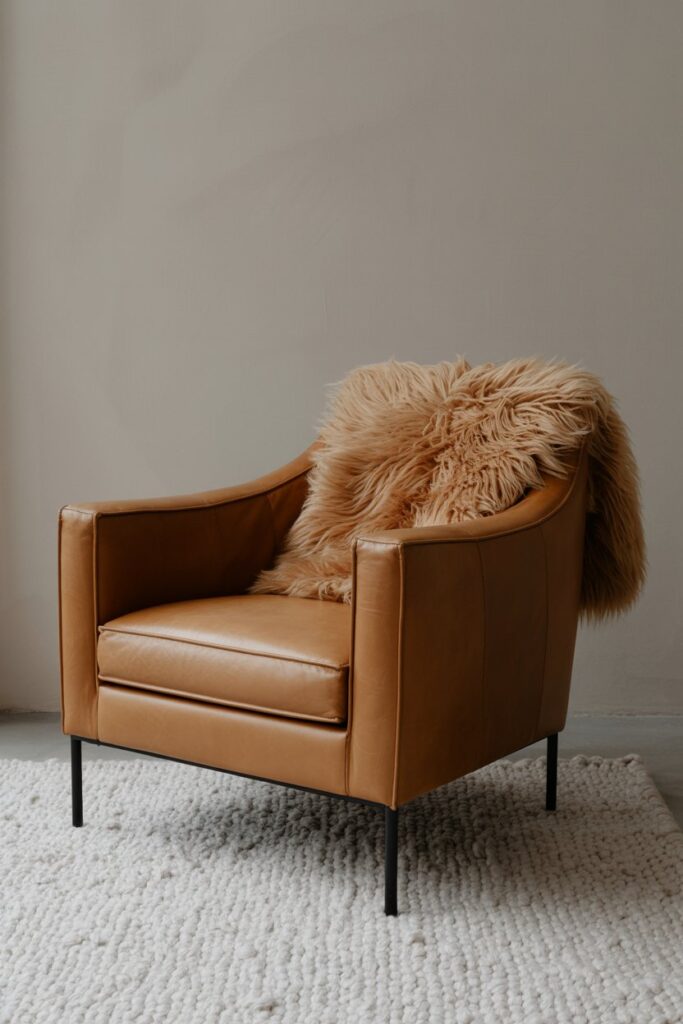
A common fear of industrial design is that it can feel too harsh. Scandi Industrial addresses this by integrating a generous dose of tactile, luxurious textures. Picture a butter-soft, camel leather armchair with a simple matte black frame. Instead of leaving it bare, drape it with a thick, fluffy, genuine sheepskin throw, or place it on top of a plush, hand-woven chunky wool rug.
This layering of materials is essential for creating the requisite coziness and counteracting the harder industrial elements like concrete or brick. The natural warmth of the leather and the organic softness of the wool provide a necessary textural “reset” for the senses. This combination of smooth hide, fluffy fleece, and rough-hewn structure is key to mastering the comfortable, lived-in feel that characterizes the best of both worlds.
6. Monochrome Gallery Walls with Wire Grids
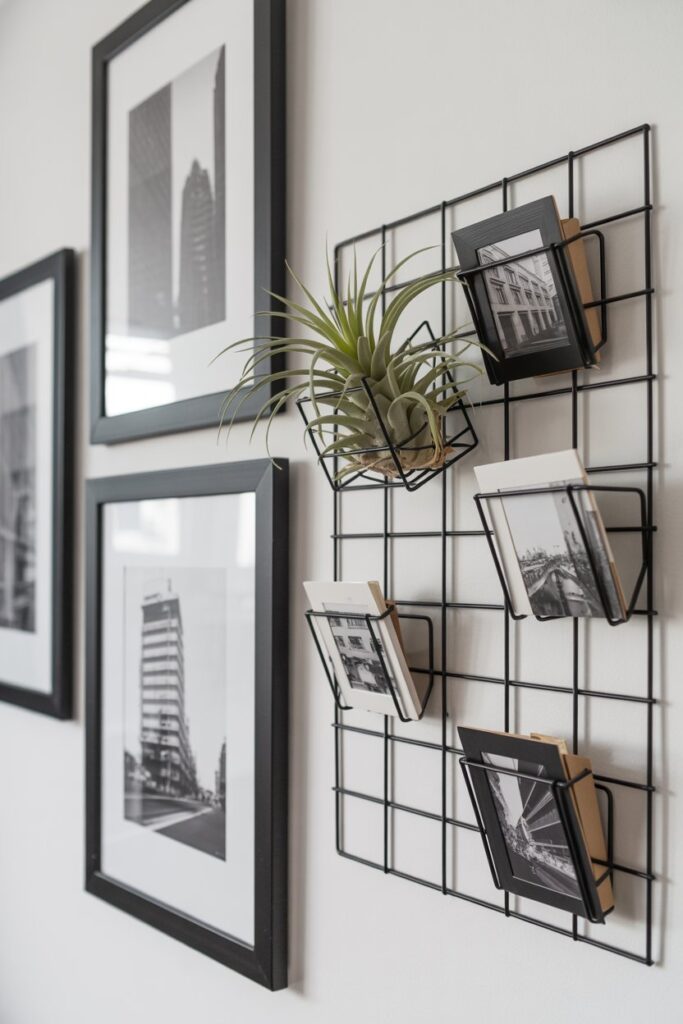
Art and organization merge seamlessly in Scandi Industrial with a focus on monochrome and minimalism. Consider creating a curated gallery wall featuring exclusively black-and-white photography, perhaps of industrial cityscapes, stark architecture, or simple botanical sketches. The key is to keep the palette strictly binary. Frame these in thin, matte black metal to complement the room’s overarching industrial accents.
For a more tactile, industrial approach to display, integrate a metal wire grid organizer into the gallery wall arrangement. Use small bulldog clips to attach more monochrome postcards, family photos, or even small air plants in geometric holders. This functional art piece perfectly bridges the gap, allowing for personalization and creative expression without introducing cluttered color or breaking the minimalist aesthetic.
7. Functional and Flexible Metal Storage Solutions
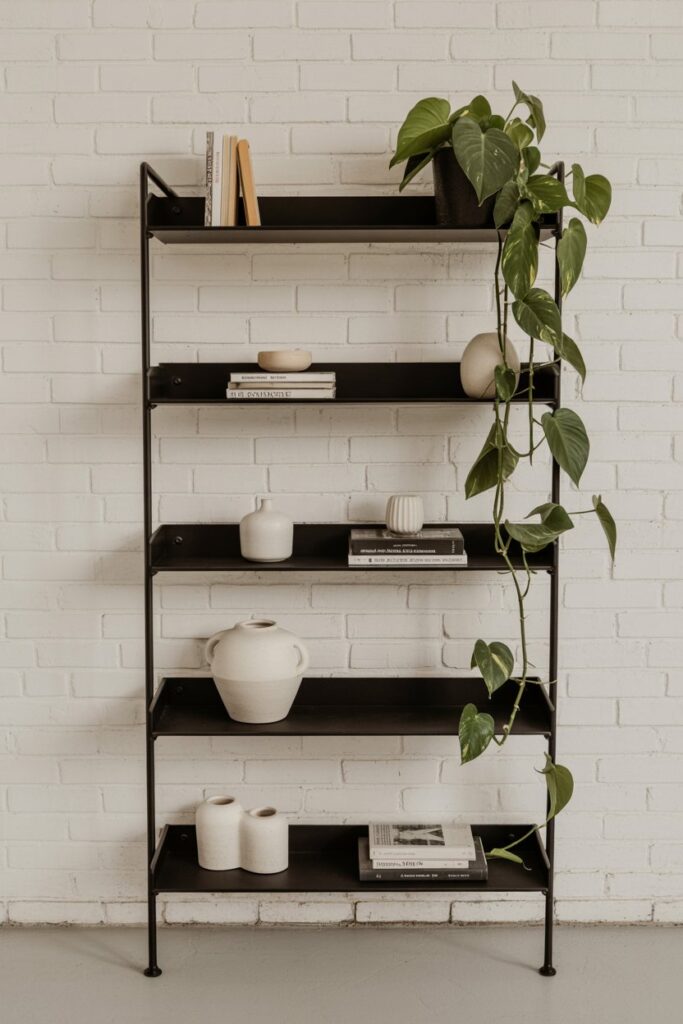
Abandon bulky, traditional cabinets in favor of sleek, functional, and flexible metal storage solutions. Black powder-coated metal shelving units are ideal. They evoke the practicality of factory shelving and provide robust utility. Look for modular systems that can be customized and stacked or units with a mix of open and closed storage, allowing you to display your curated items while neatly hiding clutter.
To style these units, apply a strictly Scandi filter. Group a few white ceramic pieces, stack books with black or monochrome spines, and add a single, architectural plant like a Pothos, allowing its vines to spill over the edge. This approach keeps the industrial storage feeling light, curated, and integrated into the overall home design rather than just a utilitarian afterthought.
8. Exposed Pipes and Unconventional Finishes
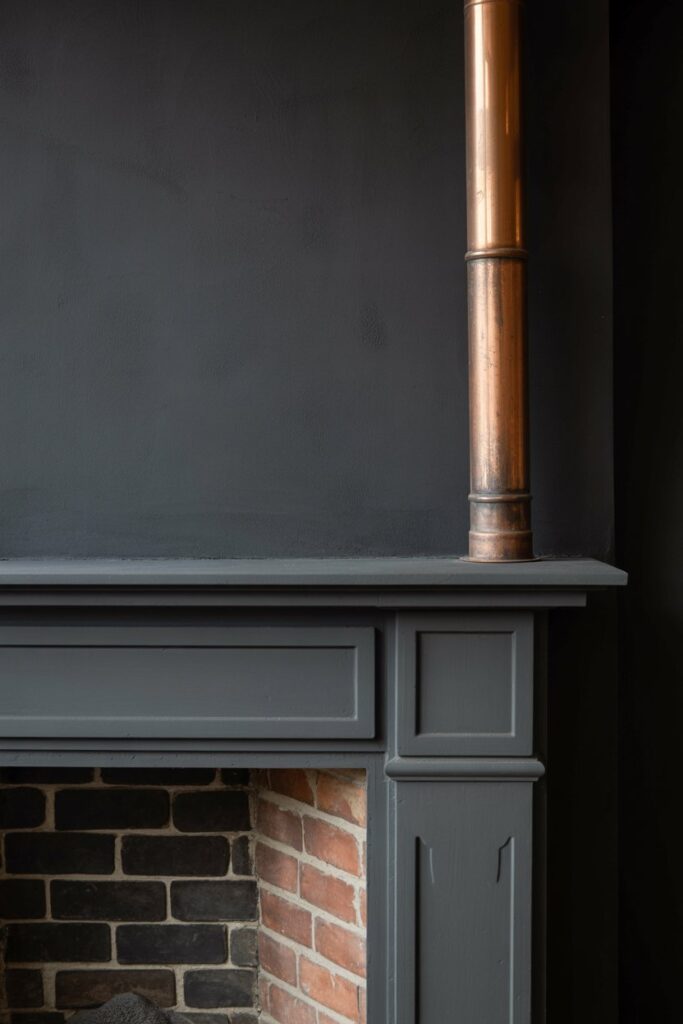
One of the hallmark industrial features you can embrace is making the internal workings of your home a decorative element. This means proudly leaving copper or steel pipes exposed, perhaps running vertically along a wall or near a fireplace. Instead of hiding them behind drywall, they become historical and textural features that honor the structural integrity and industrial past of the building.
Extend this philosophy to other surfaces. Instead of standard painted walls, experiment with textured finishes like limewash or rough-cast plaster in dark, moody greys. These raw, dynamic surfaces catch the light in complex ways and add a sophisticated, gritty depth to the Scandi Industrial palette. When paired with light wooden furniture, they provide a powerful, moody base that feels incredibly modern.
9. Minimalist Fireplace and Geometric Elements
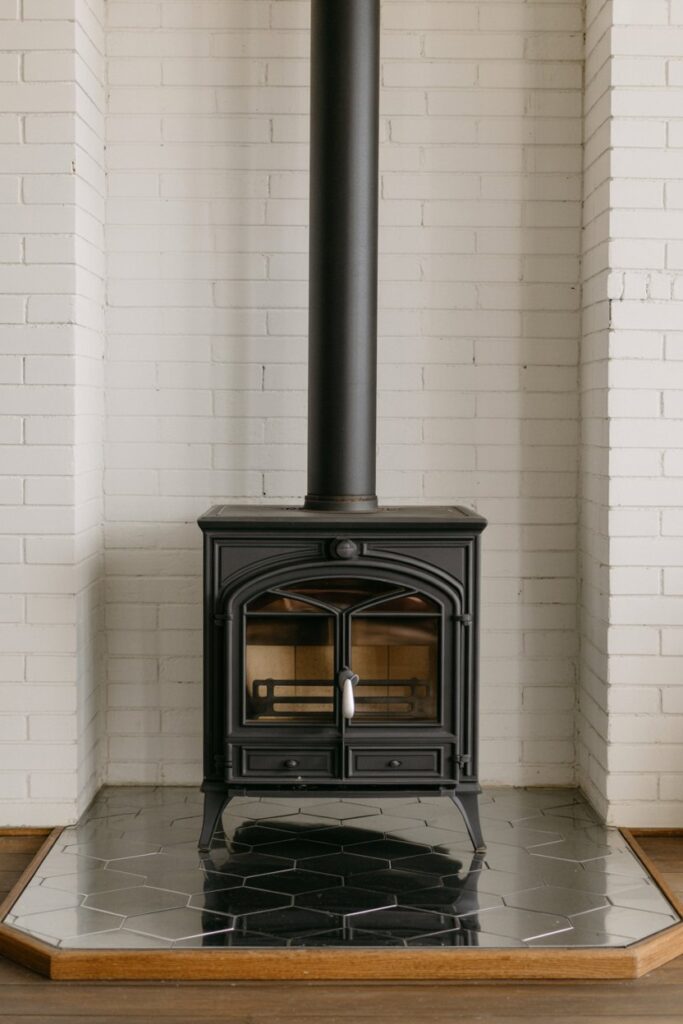
Fireplaces are the ultimate symbol of cozy Scandinavian hygge. To integrate one into an industrial context, select a modern, geometric cast-iron wood-burning stove with a minimalist design. A square or hexagonal black unit with a clean glass front provides both warmth and strong visual structure. Its material is pure industrial, while its form and function align with Scandi values.
For the hearth, abandon standard tiles. Instead, use a smaller-scale industrial material like hexagonal dark grey tiles or a simple slab of polished concrete. Complement the geometric form of the stove with other structural accents throughout the room, such as a wire-frame side table or geometric-patterned cushions, ensuring a cohesive design language that feels both structural and inviting.
10. Curated Collections: Plants and Vintage Industrial Artifacts
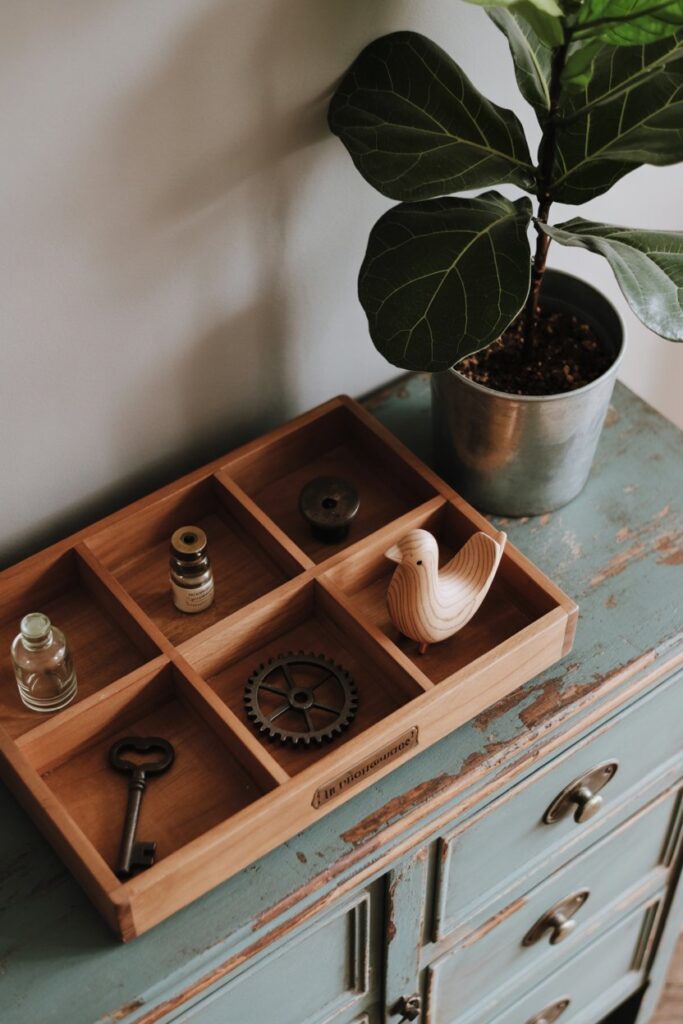
Personalize your space without introducing clutter by curating very specific collections that speak to both styles. This is where you can bring in unique industrial artifacts: old gears, factory bobbins, vintage printing letters, or distressed metal containers. Instead of scattering them, group them intentionally on a floating wooden shelf or within a multi-compartment printers’ tray for maximum visual impact.
To bring in the crucial Scandi element of life and greenery, always pair these historical collections with robust, leafy plants. A large Fiddle Leaf Fig or a sculptural Snake Plant adds organic warmth and energy, contrasting beautifully with the cold, historical metal and the warm wood. Plants also purify the air, which aligns perfectly with the focus on a healthy, natural home environment.
11. Subtle Industrial Details on Furniture
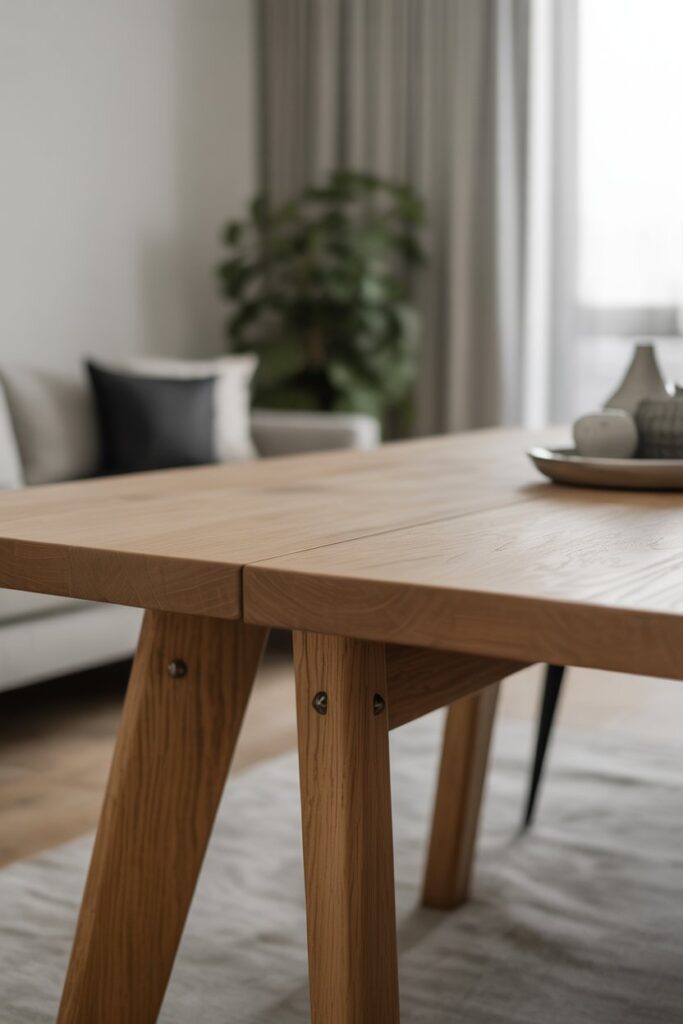
For a refined Scandi Industrial look, focus on furniture that integrates subtle but distinct industrial details into its construction. Look for a sleek Scandinavian blonde oak table that, instead of hiding its hardware, proudly displays visible, oversized steel bolts at the joints where the legs meet the tabletop. These small engineering details provide the industrial nod without dominating the design.
Apply this principle to smaller items too. A coffee table might feature a reclaimed wood top paired with a minimalist wire-frame base. Or, look for a side table made of a single piece of bent steel or a simple, utilitarian metal stool used as a side table. These subtle details ensure your Scandi Industrial room feels thoughtful, designed, and authentic, rather than just a collection of unrelated pieces.
12. Moody Palettes and Plaster Finishes
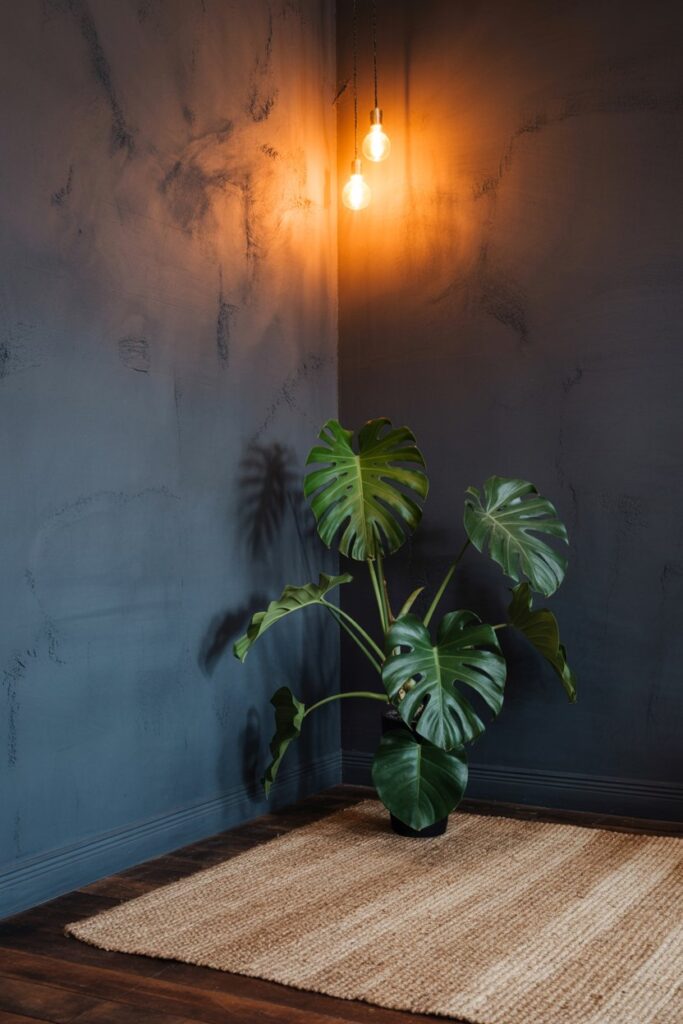
Don’t shy away from dark and moody colors. The Scandi Industrial look handles them exceptionally well, especially when you focus on texture. Consider painting your walls in a deep charcoal grey or a forest green. But instead of standard matte paint, use a lime-wash or clay plaster finish. This creates a soft, chalky texture and a beautifully imperfect, mottled surface that adds incredible depth.
This moody backdrop provides a powerful contrast, particularly when you place light-colored Scandi furniture, like a cream sofa or a light oak coffee table, in front of it. The natural textures of a large jute rug and abundant greenery become vibrant and essential. It’s a sophisticated, dramatic approach that instantly elevates the cozy, curated feel, demonstrating that Scandi style isn’t limited to just bright, white spaces.
13. The Minimalist Rug: Defining the Zone
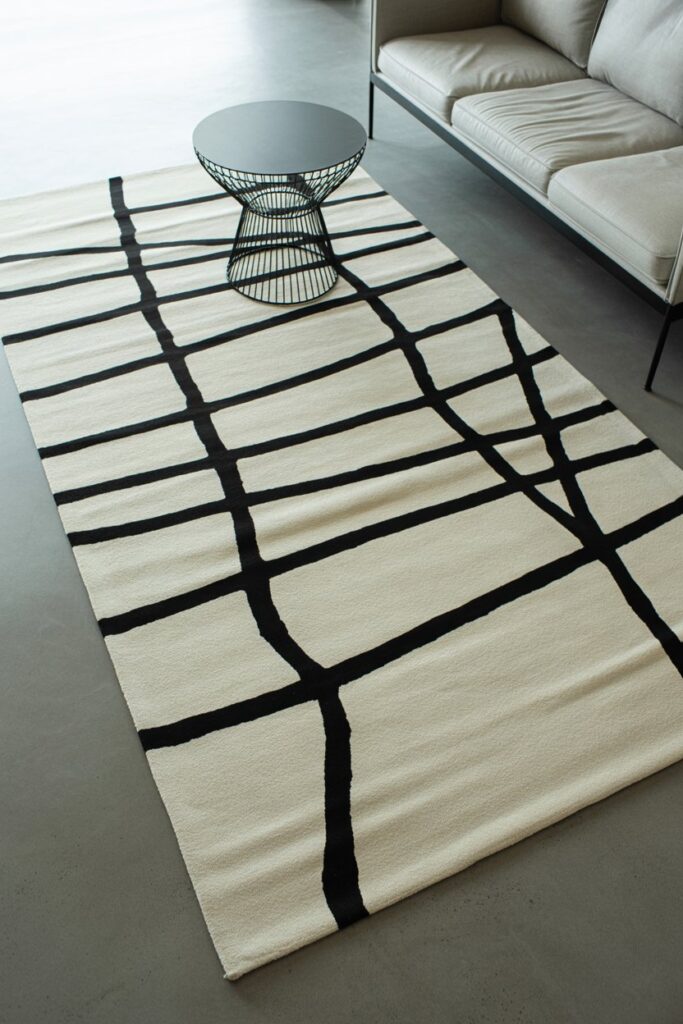
In an open-plan living area, rugs are crucial for defining zones. For a Scandi Industrial look, the rug should act as a minimalist anchor. Choose a rug with a simple, graphic pattern—perhaps abstract geometric shapes or thick, linear black lines on a natural cream or beige background. A flat-weave wool or a textured jute/wool blend provides the tactile quality of Scandi design.
The rug should be large enough to ground the primary furniture grouping. When placed on a rough concrete or wooden floor, its softer texture provides comfort and a clear spatial definition without disrupting the room’s overarching minimalist feel. This simple addition makes the entire seating area feel more intentional, collected, and balanced, ensuring the vastness of an open-plan or high-ceiling space feels cozy and navigable.
14. Industrial Utility as Decorative Display
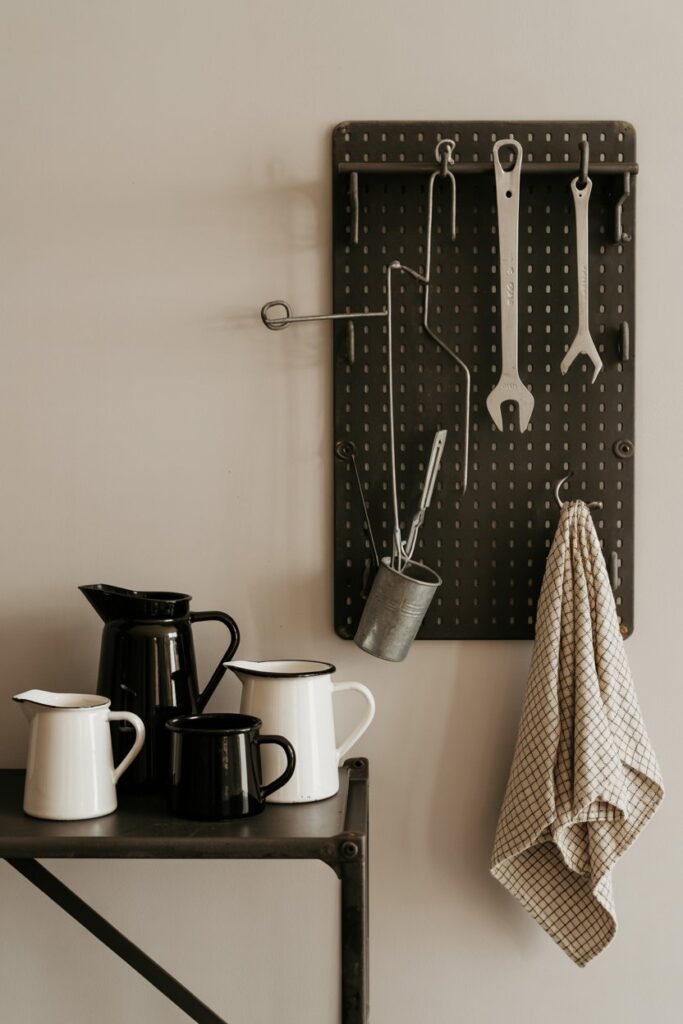
Embrace the inherent utility of industrial design and turn functional items into display pieces. Look for objects with a utilitarian past: vintage enamelware jugs, old glass lab beakers repurposed as vases, or even a functional, wall-mounted black metal pegboard for organizing small items. Display these items with careful curation rather than leaving them as functional clutter.
The key is repetition and restriction. Group several similar enamel jugs together, or stack monochrome beakers. Keep the color palette restricted to black, white, and clear glass. This approach honors the practical roots of industrial spaces while the clean, ordered display is purely Scandinavian in its organized, aesthetic intent. It’s a wonderful way to add authentic character to your space.
15. The Statement Sofa: Where Comfort and Form Collide
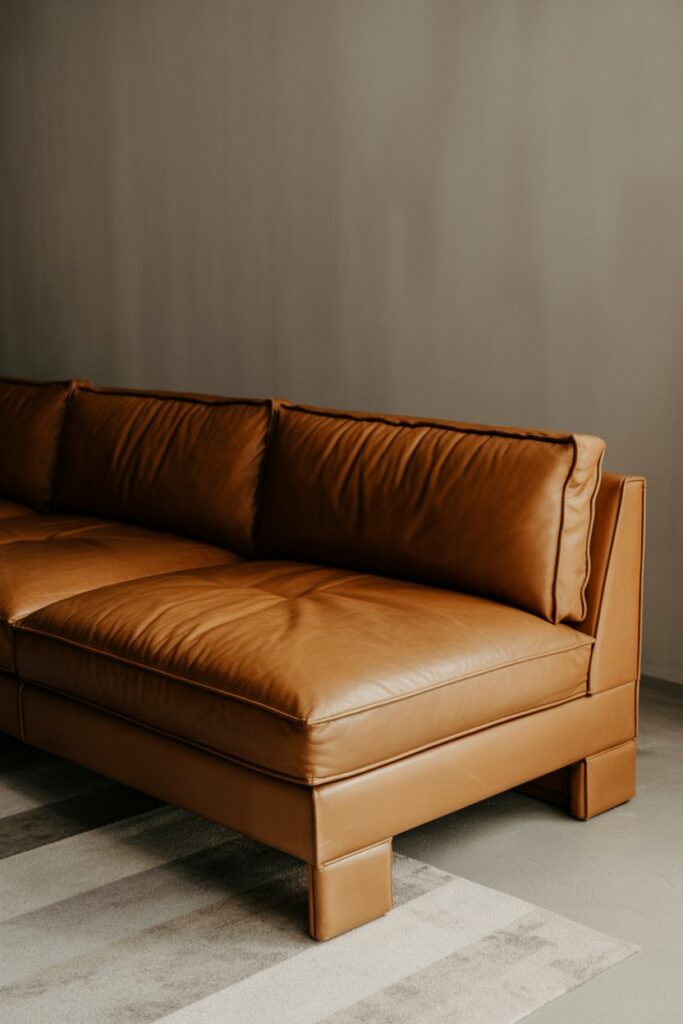
While much of Scandi Industrial is about balance, your sofa is your chance to make a singular, powerful statement. Select a large, substantial sofa, perhaps a modular sectional or a deep, low-slung design, covered in a rich, slightly distressed camel-colored leather. This item provides the primary comfort, warmth, and luxury for the entire room.
Its substantial form anchors the space, providing a heavy, robust presence that can stand up to high ceilings, concrete walls, or other industrial elements. At the same time, the smooth leather texture offers a crucial softening effect. Choose a sofa with clean, minimal lines that embody Scandinavian functionalism, but ensure its scale and material have the inherent strength of industrial design.
16. Sculptural and Multi-Functional Side Tables
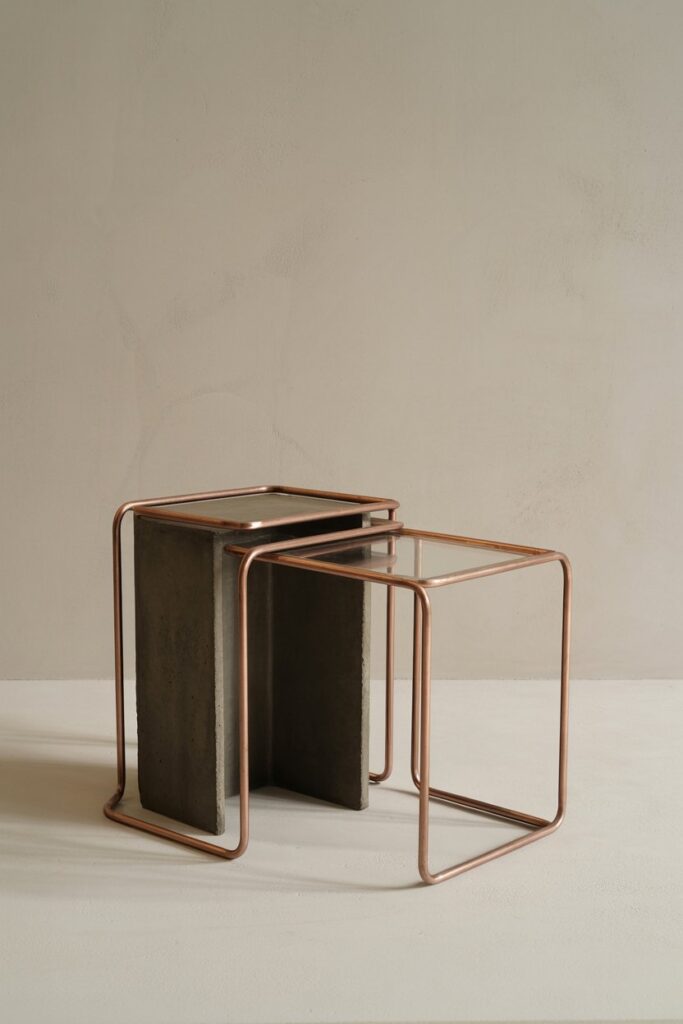
In Scandi Industrial, even the smallest furniture pieces must justify their place through form and function. Opt for side tables that are sculptural and distinct. Imagine a set of nesting tables where one is a heavy, geometric block of dark grey concrete, and the other is a light, copper-plated metal frame that nests perfectly around it. The juxtaposition of materials is key.
Other excellent choices are utilitarian metal stools, simple wire-frame cubes, or rough-hewn wooden tree-stump tables. Each piece should be visually compelling on its own, adding architectural interest to the space, but also highly functional. They are easy to move as needed, offering flexible, modern utility, which is a foundational principle of both Scandi and Industrial design philosophies.
17. Black as an Accent: Frames, Hardware, and More
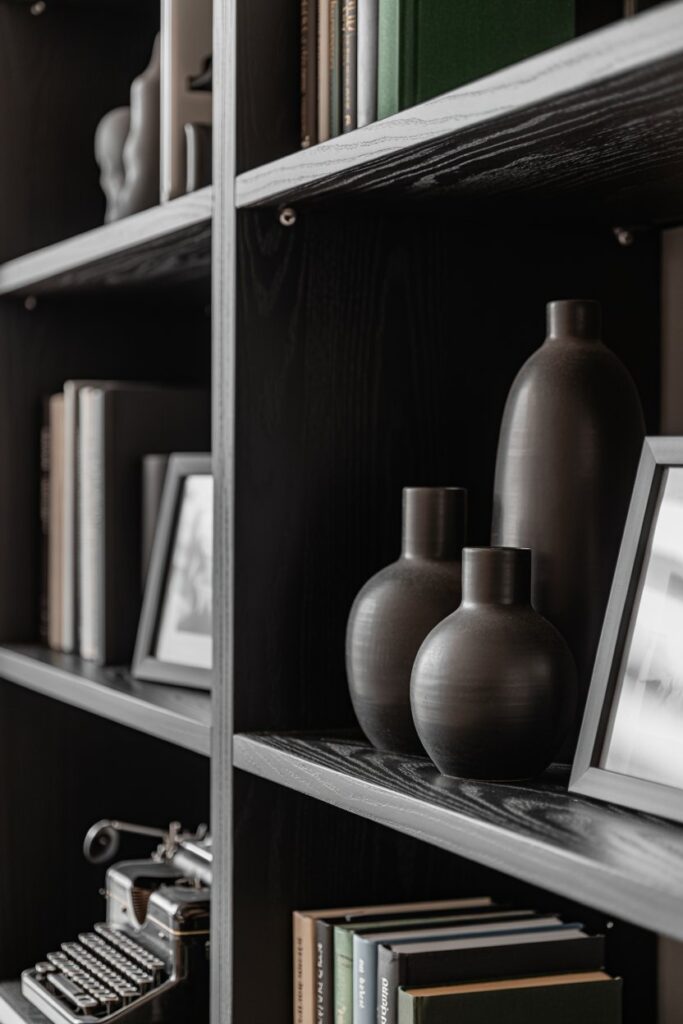
Black is your defining accent color in Scandi Industrial. It provides the necessary contrast to the neutral palette and the structure of the space. Apply it with strict curation to create a unified look. Think matte black light fixtures, black metal hardware on cabinets, thin black picture frames, and even black ceramic pottery.
For a bolder effect, consider an entire black metal shelving unit, a black cast-iron fireplace stove, or a black window frame. This consistent use of black creates rhythm and depth throughout the room, anchoring the lighter Scandinavian elements. The key is to keep these items minimalist in their form, ensuring they provide structural lines and powerful contrast without feeling heavy or cluttered.
18. Integrating Personal History and Vintage Art
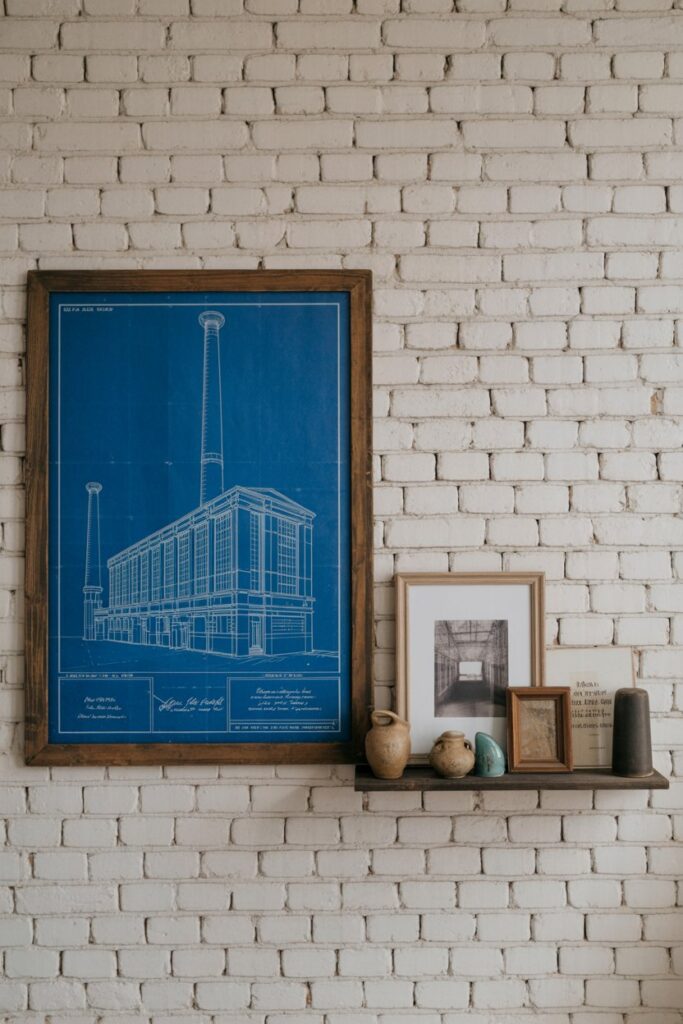
Don’t let your Scandi Industrial living room become a sterile showroom; give it history. Source unique art that reflects both industrial processes and personal meaning. A large, original blueprint of an architectural design, framed simply, makes a fantastic statement. Look for old maps, mechanical drawings, or even vintage travel posters with bold, graphic industrial-era imagery.
Layer this with personal history. Lean framed art against the wall on a floating wooden shelf, alongside a few unique personal ceramic pieces you’ve collected or family photos in matching frames. This blend of authentic industrial history and your own curated life creates a space that feels deeply personal, collected over time, and genuinely lived-in, honoring the ‘life’ aspect of Scandi design.
19. Open-Plan Living with Define ‘Zones’
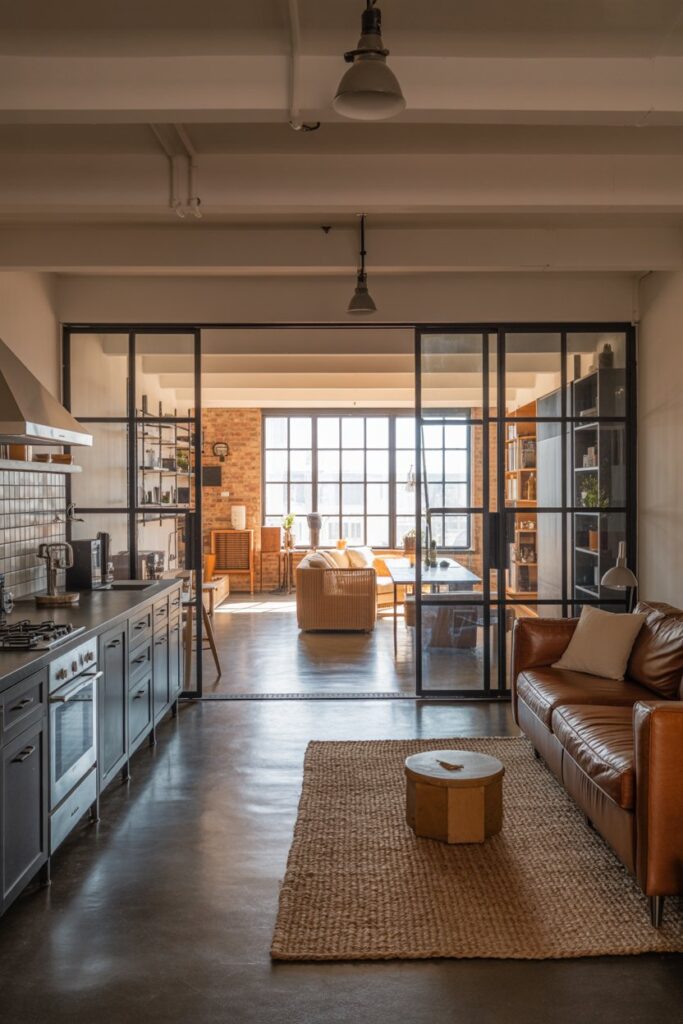
Scandi Industrial thrives in an open-plan environment, honoring the expansive nature of warehouse spaces. Instead of building walls, use furniture, textures, and lighting to define separate functional ‘zones’. A specific rug can define the seating area, while a large metal pendant light can anchor the dining area, creating distinct rooms within a larger space.
This fluidity is essential for a modern, social home. Maintain visual continuity across the entire space by repeating your core materials: use the same type of metal for light fixtures and shelving throughout, use consistent wood tones, and maintain the same moody plaster finish on key walls. This ensures that while each zone is distinct, the entire space feels harmonious, cohesive, and effortlessly designed.
20. Embracing Natural Light as an Architectural Element
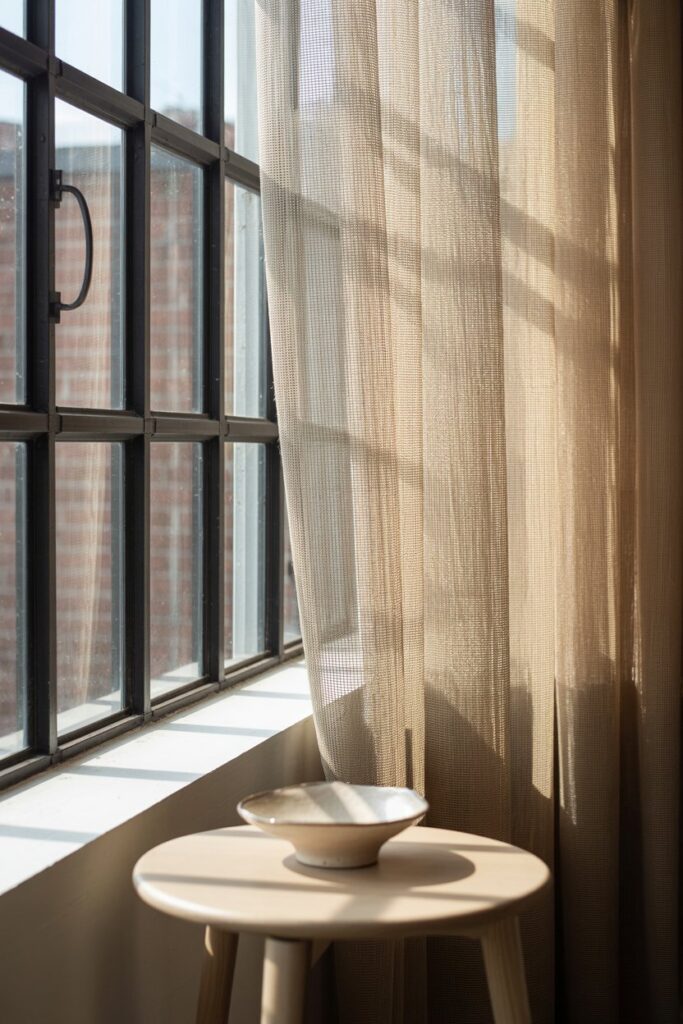
The final, essential element of both Scandi and Industrial design is light. Industrial architecture provides the access (large windows and high ceilings), and Scandi design dictates how you use it. Instead of blocking light with heavy curtains, use minimalist solutions. Think simple sheer linen panels or a subtle, modern version of Crittall-style internal screens to divide space while letting light pass through.
The aim is to create a space that feels bright, airy, and connected to the outdoors. Let the sun illuminate the textures of your concrete walls, the grain of your wood, and the softness of your wool. Maximizing natural light makes the entire room feel larger and more organic, preventing the industrial elements from feeling too oppressive or cold, and creating that bright, joyful ‘lagom’ balance.